Rijiju Hits Out at Congress CM Over Alleged Hitler Remark
Synopsis
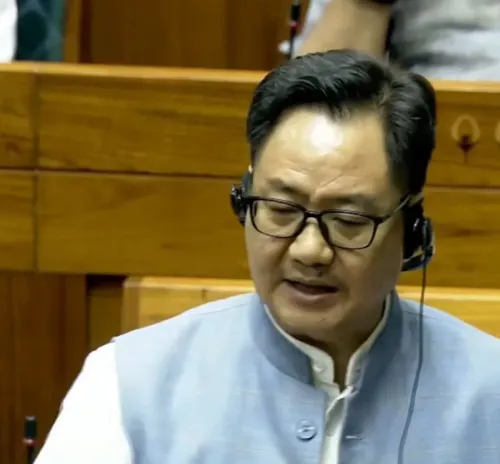
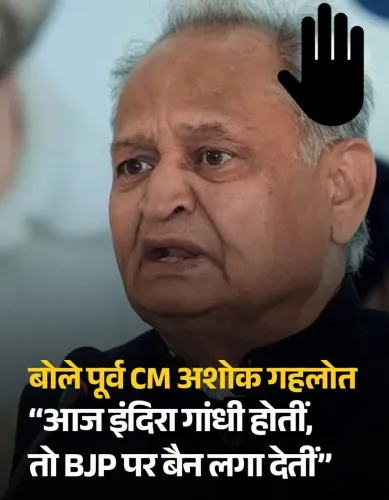
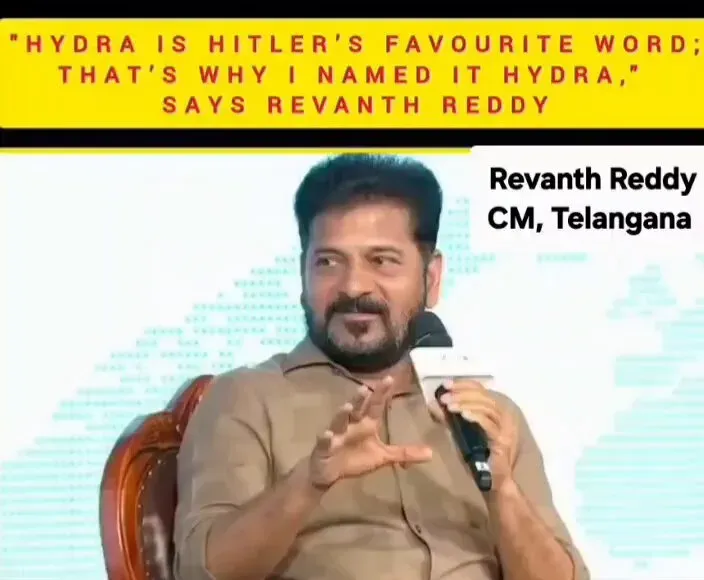
Union Parliamentary Affairs Minister Kiren Rijiju on June 7 accused an unnamed Congress chief minister of making a statement 'inspired by Adolf Hitler,' and charged that the political ecosystem applies double standards — reacting with outrage only when BJP leaders make controversial remarks, not Congress ones.
Key Takeaways
Union Parliamentary Affairs Minister Kiren Rijiju posted a sharp rebuke on X on June 7, 2026 , targeting an unnamed Congress chief minister.
Rijiju alleged the Congress chief minister made a statement he described as 'absolutely inspired by Adolf Hitler.' He argued that if a BJP chief minister had said the same thing, the response would have been accusations of 'Nazism' and 'Fascism.' The specific identity of the Congress chief minister and the original statement were not named in the post and remain unverified.
The episode reflects a recurring pattern in Indian politics where Nazi and fascist analogies are deployed as political ammunition across party lines.
Reactions from the Congress party, the chief minister in question, and potential legislative fallout remain to be watched.
Union Parliamentary Affairs Minister Kiren Rijiju on Sunday, June 7, 2026, sharply criticised an unnamed Congress chief minister, alleging the state leader had made a statement 'absolutely inspired by Adolf Hitler,' and accused the broader political ecosystem of applying double standards when responding to such remarks depending on which party is in power.
Context
Rijiju's post was a reply on X, in which he wrote: 'Waah... The Congress Chief Minister is absolutely inspired by Adolf Hitler! Imagine... if a BJP Chief Minister said the same thing, the whole ecosystem would be screaming Nazism, Fascism and what not...' The minister did not name the Congress chief minister in question, nor did he quote the specific statement he was responding to.
The remark implies that a sitting Congress chief minister had made a public statement that Rijiju found analogous to Nazi ideology or rhetoric. The research note flags that the specific identity of the Congress chief minister and the exact statement being referenced could not be independently verified at the time of publication.
Policy Backdrop
Invocations of Nazi and fascist analogies have been a recurring feature of Indian political discourse for decades. Both ruling and opposition parties have, at various points, deployed such comparisons — typically to delegitimise a rival's governance style or rhetoric. The frequency of such exchanges tends to spike around contentious legislative sessions, state elections, or controversial executive decisions.
Rijiju's broader argument — that media and civil society apply asymmetric scrutiny depending on which party's leader makes a controversial statement — is a charge that BJP leaders have raised consistently, particularly since the party came to power at the Centre in 2014. Opposition parties contest this framing, arguing that the ruling party benefits from institutional deference rather than facing equivalent accountability.
Stakeholders and Impact
The unnamed Congress chief minister is the immediate subject of the controversy. Should the identity of the leader and the original statement become publicly established, the matter could escalate into demands for clarification or apology, and potentially trigger privilege motions in the concerned state assembly.
BJP leaders are likely to amplify Rijiju's post as part of a broader narrative on media bias, while Congress is expected to push back by demanding that Rijiju specify the exact remark he found objectionable. Civil society groups that monitor hate speech and the use of historical analogies in political rhetoric may also weigh in.
What's Next
The controversy is likely to deepen if the original statement by the Congress chief minister surfaces in full, allowing both parties to frame it on their own terms. Rijiju's framing of 'double standards' is a well-worn political argument, but its resonance depends heavily on what the underlying remark actually said and in what context it was made.
Observers will watch for any response from the Congress party's central leadership, any clarification from the chief minister in question, and whether the matter is raised during the next session of the relevant state legislature or in Parliament. The episode underscores how historical analogies — however loosely deployed — continue to function as high-voltage political ammunition in India's partisan landscape.
Point of View
He shifts the debate from what the Congress chief minister actually said to how it was or was not covered. This is a deliberate framing choice: it allows the BJP to claim victimhood and press bias simultaneously, without having to engage with the substance of the underlying remark. The episode will matter politically only if the original statement is placed on record; until then, it functions primarily as a signal to the BJP's base about perceived double standards in public discourse.
NationPress
19 Sept 2026
Frequently Asked Questions
What did Kiren Rijiju say about the Congress chief minister?
Rijiju posted on X that an unnamed Congress chief minister was 'absolutely inspired by Adolf Hitler,' and argued that had a BJP chief minister made a similar statement, the political ecosystem would have immediately raised charges of Nazism and Fascism.
Which Congress chief minister is Rijiju talking about?
Rijiju did not name the Congress chief minister in his post. The identity of the leader and the exact statement being referenced have not been independently verified.
What is Kiren Rijiju's position in the government?
Kiren Rijiju is the Union Minister of Parliamentary Affairs and Minister of Minority Affairs, and is a senior BJP leader from Arunachal Pradesh.
Is using Hitler analogies common in Indian politics?
Yes. Invocations of Nazi and fascist comparisons have been a recurring feature of Indian political discourse across party lines, typically used to delegitimise a rival's governance style or rhetoric, and such exchanges tend to intensify around elections or contentious policy moments.
What could happen next after Rijiju's post?
If the Congress chief minister's original statement is publicly identified, both parties are likely to escalate the dispute. Potential outcomes include demands for a public apology, privilege motions in the concerned state assembly, or the matter being raised in Parliament.