Rijiju Warns of Legal Action Over Fake News on YouTube

Synopsis
Union Parliamentary Affairs Minister Kiren Rijiju on June 11, 2026, warned that he may pursue legal action against individuals spreading what he called fake news and defamatory content about him on YouTube and other social media platforms, invoking the distinction between free speech and defamation.
Key Takeaways
Kiren Rijiju , Union Minister of Parliamentary Affairs and Minority Affairs, issued a public legal warning on June 11, 2026 .
The minister stated that 'freedom of expression is not freedom to spread fake news to defame others shamelessly.' He specifically cited YouTube and other social media platforms as hosting the alleged fake news.
India's IT Rules, 2021 already impose grievance and content-moderation obligations on platforms like YouTube .
No formal legal notice or defamation suit had been filed at the time of the post; the warning was issued publicly on X .
Digital rights groups and press freedom advocates have historically flagged such warnings as potentially chilling political commentary online.
Union Parliamentary Affairs Minister Kiren Rijiju on Thursday, June 11, 2026, issued a sharp public warning to those he described as 'fake news peddlers,' stating he was considering legal action against individuals spreading defamatory content about him on YouTube and other social media platforms.
Context
Responding to a post directed at him on X, Rijiju wrote: 'All those fake news peddlers would be in trouble if I decide to take legal actions. Their fake news are available in YouTube and other social media platforms.' He added that 'freedom of expression is not freedom to spread fake news to defame others shamelessly,' drawing a firm distinction between protected speech and content he characterised as defamatory.
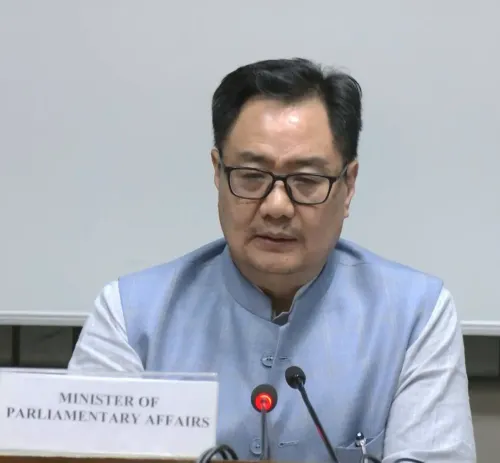
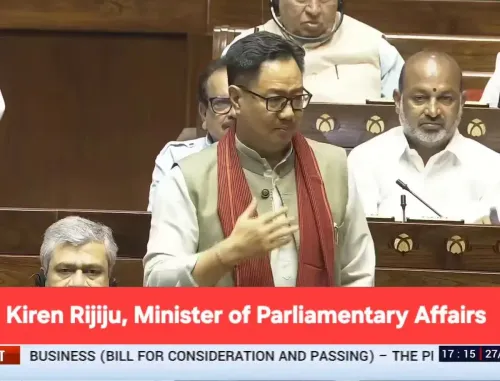
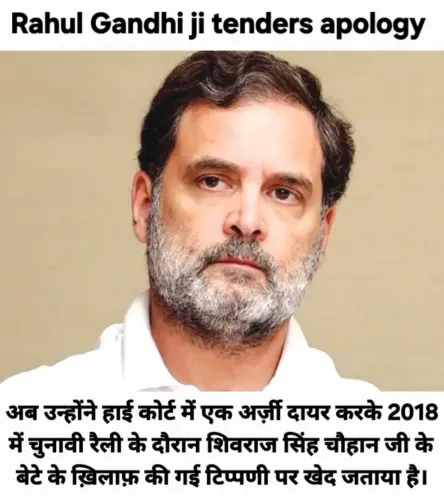
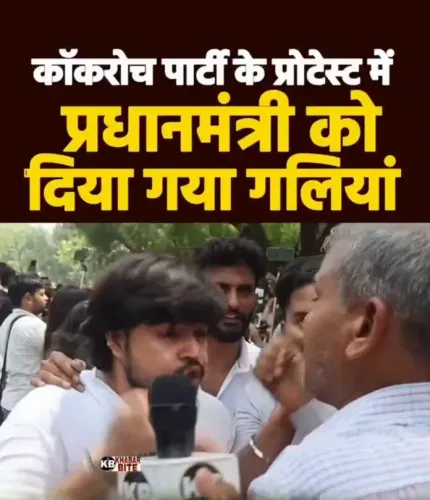
The minister's statement was accompanied by 4 images, though the specific content or fake news items referenced could not be independently verified. The post appeared to be a reply within a broader exchange on the platform.
Policy Backdrop
India's Information Technology (Intermediary Guidelines and Digital Media Ethics Code) Rules, 2021 place obligations on large social media intermediaries — including YouTube, owned by Google — to establish grievance redressal mechanisms and act against content flagged as unlawful. Under existing Indian law, defamation can attract both civil and criminal liability, giving public figures a legal pathway to pursue such claims.
The broader regulatory environment has seen the government repeatedly push for greater platform accountability, particularly around political misinformation. Rijiju's remarks fit within a pattern of senior ministers publicly signalling that digital content targeting them is not beyond the reach of Indian law.
Stakeholders and Impact
The warning is directed at content creators and commentators on platforms such as YouTube who have, according to Rijiju, published material he considers defamatory. Digital rights advocates and press freedom groups have historically raised concerns about the chilling effect such legal threats can have on political commentary and satire, arguing that the line between criticism and defamation must be carefully drawn by courts.
Journalists and independent online commentators who cover Rijiju or the Bharatiya Janata Party could find themselves scrutinising their own content in light of the minister's statement. Social media users and platform moderators at YouTube may also face increased pressure should formal legal notices follow.
What's Next
The critical question is whether Rijiju follows through with formal legal notices or defamation suits. Any such action would likely draw responses from digital rights organisations and could invite scrutiny from parliamentary committees examining amendments to IT Rules. The minister's use of a public platform to issue this warning may itself be a deliberate move to deter further content without immediately entering litigation.
Observers will watch closely for any official legal filings, platform takedown requests, or responses from civil society groups in the days ahead.
Point of View
He also implicitly invokes the platform's obligations under the IT Rules, 2021, signalling that regulatory pressure on intermediaries remains a live instrument. The statement sits within a broader government posture that seeks to distinguish legitimate criticism from coordinated defamation, a distinction courts have so far been left to define case by case. Whether this escalates into actual legal proceedings will determine its real impact on online political discourse.
NationPress
27 Sept 2026
Frequently Asked Questions
What did Kiren Rijiju say about fake news on June 11 2026?
Kiren Rijiju warned that he may take legal action against those spreading fake news and defamatory content about him on YouTube and other social media platforms, stating that freedom of expression does not extend to shameless defamation.
Can an Indian minister sue someone for fake news on YouTube?
Yes. Under Indian law, defamation carries both civil and criminal remedies, and India's IT Rules, 2021 also require platforms like YouTube to act on unlawful content through grievance mechanisms, giving ministers multiple legal avenues.
What are India's IT Rules 2021 and how do they apply here?
The Information Technology (Intermediary Guidelines and Digital Media Ethics Code) Rules, 2021 require large social media platforms to appoint grievance officers and act on complaints about unlawful or defamatory content, making them relevant to any legal action Rijiju might pursue.
Who is Kiren Rijiju?
Kiren Rijiju is a senior BJP leader from Arunachal Pradesh serving as Union Minister of Parliamentary Affairs and Minister of Minority Affairs in the Modi government.
Does threatening legal action over fake news affect freedom of speech in India?
Digital rights advocates argue that such warnings can have a chilling effect on political commentary and satire online, even if no suit is filed, because content creators may self-censor to avoid litigation costs and uncertainty.