Rijiju: Right to Protest Exists, But No Room for Abuse
Synopsis
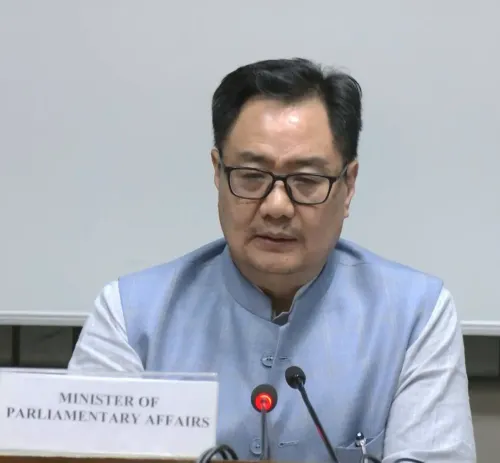
Union Parliamentary Affairs Minister Kiren Rijiju on June 6, 2026, affirmed the constitutional right to protest while urging India's youth not to resort to abuse, describing them as 'sensible and responsible' in a post on X.
Key Takeaways
Kiren Rijiju , Union Parliamentary Affairs and Minority Affairs Minister, posted on X on June 6, 2026 , addressing protest conduct.
He stated that 'everyone has full right to protest' but drew a firm line against abuse.
Article 19(1)(b) of the Indian Constitution guarantees the right to peaceful assembly, subject to reasonable restrictions under Article 19(3) .
Rijiju described the 'Youth of India' as 'sensible and responsible,' framing the appeal as trust rather than threat.
The post included a video attachment, indicating the minister may have expanded on the remarks in spoken form.
Such statements align with a broader BJP government pattern of pairing democratic freedoms with calls for responsible citizenship.
Union Parliamentary Affairs Minister Kiren Rijiju on Saturday, June 6, 2026, called on India's youth to exercise their democratic right to protest responsibly, drawing a clear line between legitimate dissent and abusive conduct.
Context
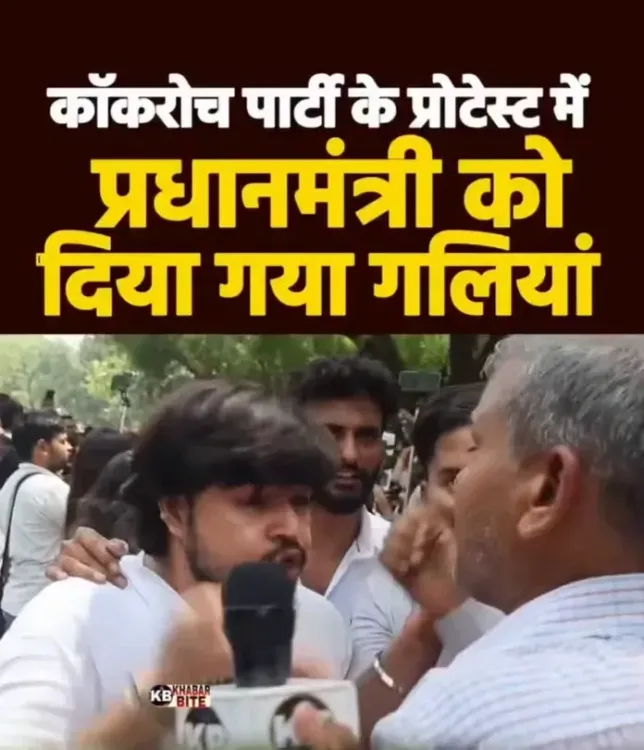
Posting on X, Rijiju wrote: 'Everyone has full right to protest but don't abuse. The 'Youth of India' are sensible and responsible.' The statement, brief but pointed, comes amid a broader national conversation about the boundaries of peaceful protest and civic conduct.
The minister did not cite a specific triggering event, but the message carries clear intent: affirming constitutional freedoms while cautioning against conduct that crosses into abuse or disorder.
Policy Backdrop
Article 19(1)(b) of the Indian Constitution guarantees the right to assemble peaceably and without arms. This right, however, is subject to reasonable restrictions under Article 19(3) in the interests of public order and the sovereignty of the state.
Indian ministers across administrations have periodically issued such balancing statements during periods of student agitation, farmer protests, and regional unrest. For the BJP-led government, messaging that pairs democratic freedoms with responsible citizenship has been a recurring theme in public communication.
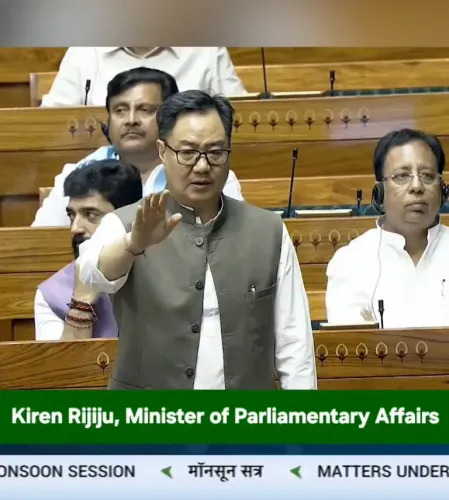
Rijiju, who represents Arunachal Pradesh and holds charge of both Parliamentary Affairs and Minority Affairs, has been a prominent voice for the government on matters of constitutional governance and civic order.
Stakeholders and Impact
The statement is directed squarely at India's youth — a demographic that has been at the forefront of several significant protest movements in recent years, from university campuses to the streets of major cities. By describing them as 'sensible and responsible,' Rijiju frames the message as an appeal to their better judgement rather than a warning.
Protest organisers and civil society groups are likely to parse the statement carefully. While the acknowledgement of the right to protest is unambiguous, the injunction against 'abuse' leaves room for interpretation about what conduct the minister considers to cross the line.
The post also carries a video attachment, suggesting the minister may have elaborated on the theme in spoken remarks, though the specific content of the video is not independently available at this time.
What's Next
Statements of this nature from senior government ministers often precede or follow legislative discussions on public order, student politics, or civic conduct. Upcoming Parliamentary sessions may see related debates, particularly if any ongoing agitation has prompted the minister's remarks.
State-level youth outreach programmes and the government's broader engagement with young voters ahead of future electoral cycles will also be shaped by the tone set in communications such as this. The central question remains whether the government follows this message with policy action or keeps it at the level of moral appeal.
Point of View
The minister insulates the statement from charges of authoritarianism, while the injunction against 'abuse' signals that the government is watching conduct closely. Describing India's youth as 'sensible and responsible' is a soft-power move: it flatters the demographic while implicitly asking them to live up to that characterisation. The absence of a named triggering event is itself a choice — it keeps the statement general enough to apply to multiple ongoing situations without lending them official recognition.
NationPress
22 Oct 2026
Frequently Asked Questions
What did Kiren Rijiju say about protests?
Kiren Rijiju said on June 6, 2026, that everyone has a full right to protest but should not resort to abuse, and described India's youth as sensible and responsible.
Does India have a constitutional right to protest?
Yes. Article 19(1)(b) of the Indian Constitution guarantees the right to assemble peaceably and without arms, subject to reasonable restrictions under Article 19(3) in the interest of public order.
Who is Kiren Rijiju?
Kiren Rijiju is a senior BJP leader from Arunachal Pradesh who currently serves as Union Minister of Parliamentary Affairs and Minister of Minority Affairs in the central government.
Why did Rijiju post about protests?
The minister did not cite a specific event, but the post reflects a recurring government pattern of affirming democratic freedoms while urging citizens — especially youth — to exercise them responsibly.
What is the BJP government's stance on youth protests?
The BJP-led government has consistently paired acknowledgement of constitutional protest rights with calls for responsible conduct, framing civic order and democratic freedom as complementary rather than conflicting.