Rijiju Vows to Fight Dictatorship, Invokes Emergency Warning
Synopsis
Union Parliamentary Affairs Minister Kiren Rijiju declared on July 28, 2026 that the BJP government is 'sensitive and responsive' and will always oppose dictatorship and emergency — a pointed invocation of India's 1975 Emergency under Indira Gandhi.
Key Takeaways
Kiren Rijiju , Union Minister of Parliamentary Affairs and Minority Affairs, posted the statement on July 28, 2026 .
The post declares the government will 'always oppose dictatorship and emergency,' directly invoking the language of the 1975-77 Emergency .
BJP leaders routinely reference the 1975 Emergency under Indira Gandhi to contrast their record with Congress-era authoritarianism.
Rijiju's role as Parliamentary Affairs Minister — the government's chief liaison with Parliament — gives the statement added institutional weight.
The statement is a dual claim: a governance pitch ('sensitive and responsive') and a historical contrast with authoritarian rule.
A sharp political signal from the heart of the Union government: Union Parliamentary Affairs Minister Kiren Rijiju on Tuesday, July 28, 2026, declared that his government will always stand against dictatorship and emergency rule — a pointed message that carries the weight of India's darkest democratic chapter.
Posting on X, Rijiju wrote: 'Our Government is sensitive as well as responsive. We'll always oppose dictatorship and emergency!' The brevity is deliberate. In Indian political vocabulary, the word 'Emergency' is never neutral.
The Shadow of 1975 Over Every BJP Statement
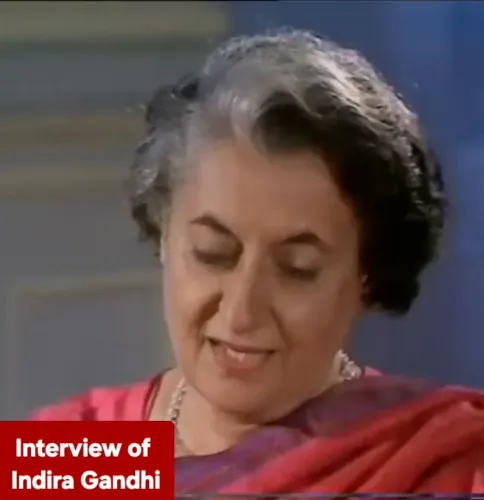
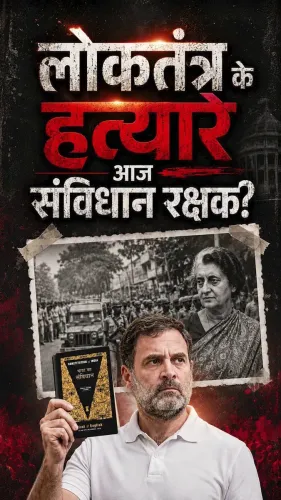
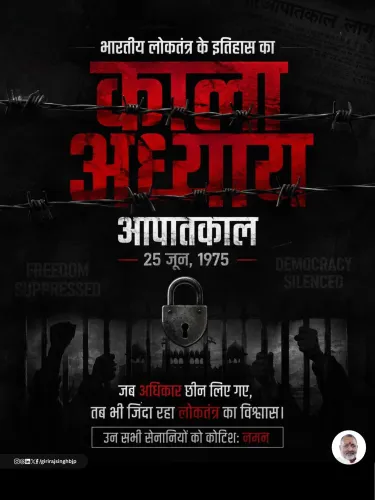
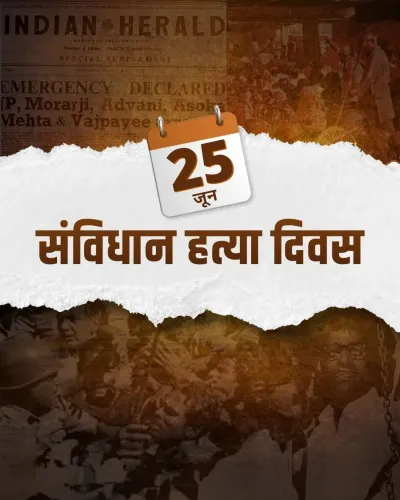
When a senior BJP leader invokes 'emergency,' the reference is unmistakable — the 21-month Emergency declared by Prime Minister Indira Gandhi from 1975 to 1977, when civil liberties were suspended, the press was muzzled, and political opponents were jailed. It remains the most contested episode in post-Independence Indian democracy, and BJP leaders have long used it as a benchmark against which to measure their own democratic credentials. Rijiju's framing pairs two claims: that the current government is both 'sensitive' and 'responsive' to citizens, and that it categorically rejects authoritarianism. It is a dual assertion — a governance pitch and a historical contrast rolled into one line.Rijiju's Role and the Weight of the Statement
As Union Minister of Parliamentary Affairs, Rijiju is the government's chief liaison with Parliament — the person responsible for floor management, legislative scheduling, and the conduct of democratic business inside both Houses. A statement opposing dictatorship from this office carries institutional resonance beyond routine political rhetoric. It is, in effect, the custodian of parliamentary procedure declaring allegiance to parliamentary norms. Rijiju also holds the Minority Affairs portfolio and is one of the most prominent voices from Arunachal Pradesh in national politics.A Recurring BJP Playbook — But Always With an Audience
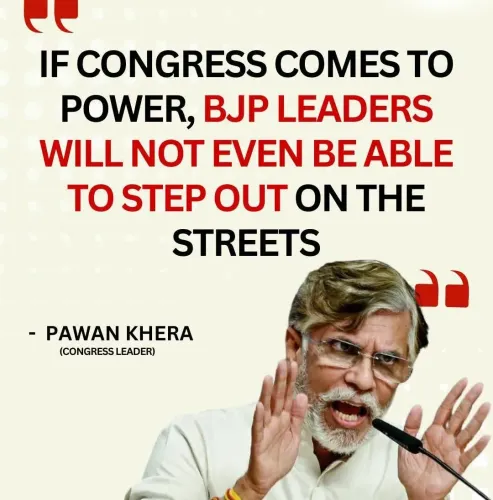
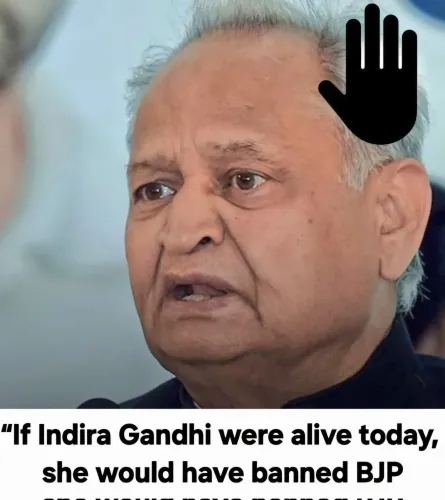
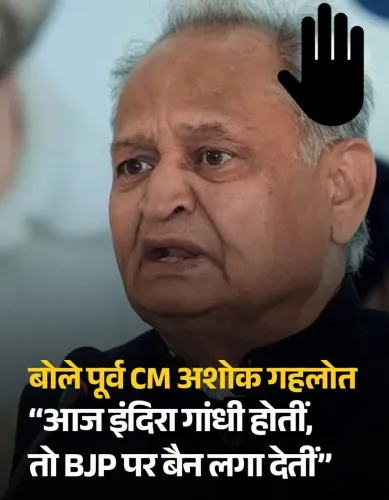
The BJP's invocation of the 1975 Emergency is a well-worn political move, sharpened every time Parliament is in session or elections draw near. Opposition parties, chiefly the Congress, bristle at the comparison — arguing that the current era has its own democratic pressures. That counter-narrative means every Emergency reference now lands inside an active political debate, not a settled historical verdict. What makes Rijiju's post notable is its timing and its source: a sitting minister with direct responsibility over Parliament's functioning, choosing this framing in July 2026. Whether it is a prelude to a sharper legislative offensive or a standalone reaffirmation, the message to both the opposition and the electorate is unambiguous — this government sees democratic vigilance as a governing value, not just a campaign slogan. In Indian politics, the Emergency is never just history. It is always a live wire.Point of View
Lending the statement an institutional frame beyond campaign rhetoric. The timing in mid-2026, without a verified trigger, suggests either a preemptive response to opposition criticism or a deliberate effort to keep the Emergency narrative alive ahead of any legislative or electoral contest. It reinforces a long-running BJP arc: that democratic legitimacy is won not just by winning elections, but by contrasting oneself with a specific historical failure.
NationPress
27 Oct 2026
Frequently Asked Questions
What did Kiren Rijiju say about emergency and dictatorship?
Rijiju posted on July 28, 2026 that the government is 'sensitive as well as responsive' and will 'always oppose dictatorship and emergency,' signalling the BJP's continued rejection of authoritarian governance.
Which Emergency is Kiren Rijiju referring to?
The reference is to the 1975-77 Emergency declared by Prime Minister Indira Gandhi , during which civil liberties were suspended and democratic institutions were curtailed for 21 months .
Why do BJP leaders keep bringing up the 1975 Emergency?
The 1975 Emergency under a Congress government is the BJP's most powerful historical contrast point — used repeatedly to position the party as a defender of democratic norms against what it frames as Congress-era authoritarianism.
What is Kiren Rijiju's role in the government?
Rijiju serves as Union Minister of Parliamentary Affairs and Minority Affairs , making him the government's primary manager of legislative business and floor coordination in Parliament.
Is there a specific trigger for Rijiju's July 2026 statement?
No specific trigger has been confirmed. The statement appears to be a broader political reaffirmation of the BJP's stance on democratic governance, possibly timed to ongoing parliamentary or political developments.