CM Rio urges Nagaland to pack stands, back NUSC 2024
Synopsis
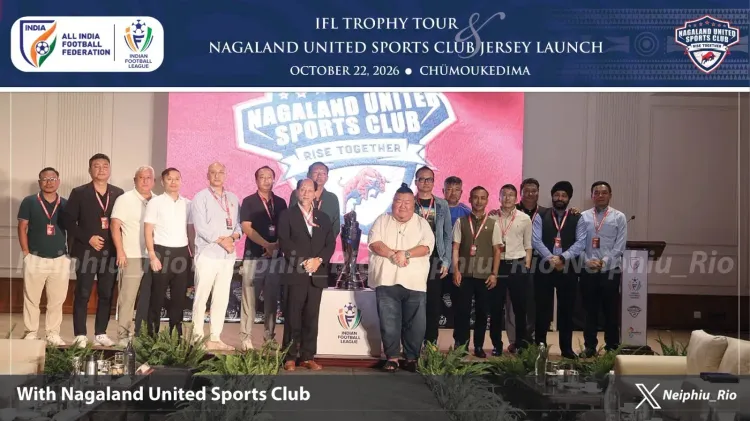
Nagaland Chief Minister Neiphiu Rio on 22 October 2026 appealed to citizens to pack stadium stands for NUSC 2024, framing football as a vehicle for Naga hospitality, community unity, and national integration.
Key Takeaways
CM Neiphiu Rio posted on X on 22 October 2026 urging Nagaland citizens to attend and support NUSC 2024 .
Rio called on fans to 'fill the stands' and showcase Naga warmth, hospitality, and sporting spirit.
The Chief Minister framed football as a force that can 'unite communities and strengthen national unity.' The appeal follows a recurring pattern of state-level endorsements for regional tournaments in Nagaland and the broader Northeast.
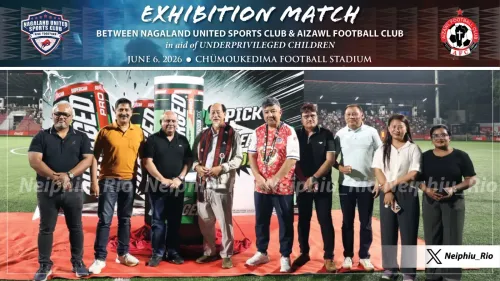
Football holds special social significance in the Northeast, often used by officials as a tool for inter-tribal and inter-community harmony.
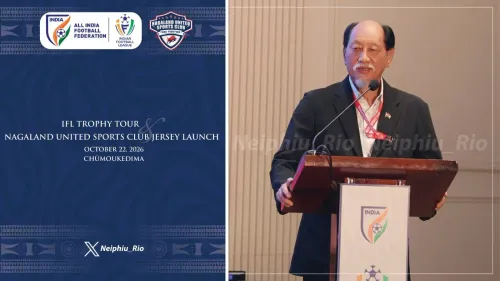
Football has long been more than a game in Nagaland's hills — and Nagaland Chief Minister Neiphiu Rio wants the entire state to show up and prove it. On Thursday, 22 October 2026, Rio took to X with a direct appeal to citizens: fill the stands, cheer loudly, and let the Naga people's warmth and sporting spirit speak for itself at @nusc2024.
Rio's message was unambiguous: 'I appeal to the citizens of Nagaland to wholeheartedly support @nusc2024. Let us fill the stands, cheer for them and showcase the warmth, hospitality and sporting spirit of the Naga people.' He extended best wishes to all participating teams and invoked football as a force capable of uniting communities and strengthening national unity.
Football as a unifying thread in the Northeast
The appeal is rooted in a well-established pattern across Nagaland and the broader Northeast, where state leaders have consistently leaned on sport — football in particular — as a vehicle for inter-community harmony. The region's predominantly tribal population, spread across dozens of distinct Naga communities, finds common ground on the pitch in ways that policy alone rarely achieves.
Officials in the state have periodically endorsed regional tournaments precisely because public participation signals social cohesion. A packed stadium is not merely a crowd — in Nagaland's context, it is a visible, televised argument that communities are choosing solidarity over division.
Rio's call for stands to fill — and what it signals
By naming the stands specifically, Rio was doing something deliberate: he was not just wishing teams good luck, he was mobilising an audience. The Chief Minister's platform carries weight in a state where public turnout at local events is often read as a referendum on civic pride and institutional trust.
His framing of football as a tool of 'national unity' also situates a local tournament within a larger narrative — one that resonates in a state with its own complex history of insurgency and peace processes. Sport, in that context, is never just sport.
Point of View
He is threading a careful needle: affirming Naga distinctiveness while anchoring it firmly within the Indian national project. It reflects a broader pattern among Northeast leaders who understand that packed stands and festive crowds build a narrative of normalcy and peace that no policy paper can replicate. The real test will be public turnout — and whether the state follows ceremonial endorsement with long-term investment in sports infrastructure.
NationPress
23 Oct 2026
Frequently Asked Questions
What is NUSC 2024 that CM Rio is supporting?
NUSC 2024 appears to be a football tournament referenced by Nagaland Chief Minister Neiphiu Rio in his October 2026 appeal; the exact full name, schedule, and scope of the competition have not been independently confirmed from available public records.
Why is football important in Nagaland?
Football is the most widely followed sport in Nagaland and the broader Northeast, and state leaders have long promoted it as a way to foster harmony among the region's many distinct Naga tribal communities and encourage national integration.
What did Neiphiu Rio say about NUSC 2024?
Rio appealed to citizens of Nagaland to 'wholeheartedly support' the tournament, urged them to fill the stands and cheer, and expressed the wish that 'football unite communities and strengthen national unity.'
How does sport contribute to peace in Nagaland?
Given Nagaland's history of insurgency and ongoing peace processes, state officials have consistently used sports events to promote inter-community interaction and social cohesion, with high public turnout seen as a visible marker of civic normalcy and shared identity.