What’s the Latest on RSS Foot March Permission in Karnataka’s Yadgir?
Synopsis
The district administration in Yadgir, Karnataka, has approved a foot march by the RSS amidst opposition from local Dalit groups. This development raises questions about public assembly rights and community relations in the region.
Key Takeaways
Yadgir district has granted conditional permission for the RSS foot march.
The march will pass through significant local landmarks.
Authorities have imposed strict guidelines to maintain peace.
The ongoing tensions highlight community dynamics in Karnataka.
The High Court is involved in overseeing the situation.
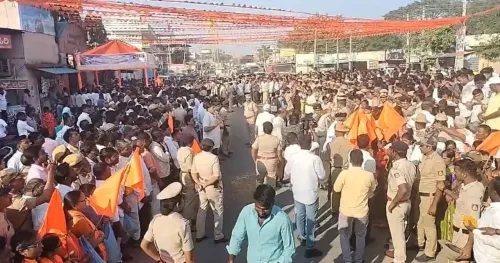
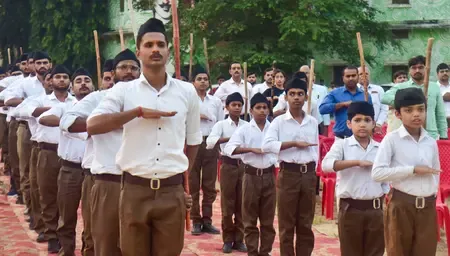
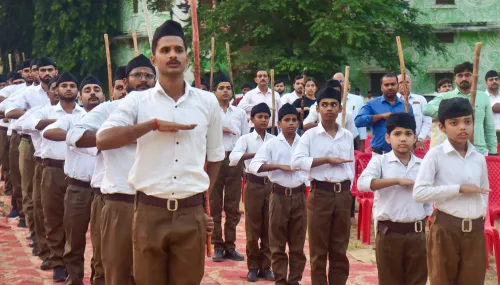
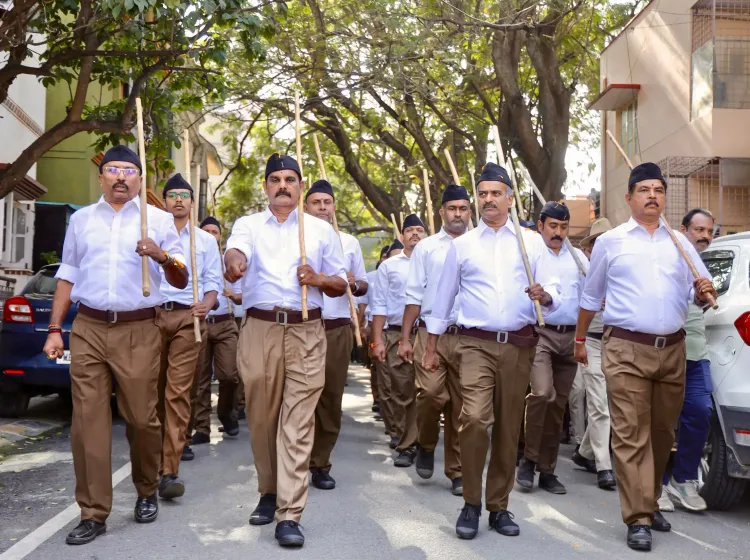
Yadgir (Karnataka), Nov 3 (NationPress) On Monday, the district administration authorized the Rashtriya Swayamsevak Sangh (RSS) to carry out a foot march in Kembhavi town, located in the Surapura taluk of Yadgir district, Karnataka, scheduled for Tuesday.
Previously, the Dalit Sangharsha Samiti (DSS) expressed concerns regarding the RSS foot march. However, the authorities have granted conditional approval for the procession, imposing ten specific conditions.
The permission was issued by Deputy Commissioner Harshal Boyar after examining the report from the peace meeting held by the Surapura taluk administration.
The march will commence from the premises of Kembhavi Municipality and will traverse various sites, including Main Bazaar, Hanuman Circle, Basaveshwara Circle, Old Bus Stand, Revanasiddheshwara Temple, Hemareddy Mallamma Temple, and Ambigara Chowdaiah Circle.
District officials have instructed RSS representatives to ensure no harm comes to public or private properties, adhere strictly to the designated route, avoid slogans that may offend caste or religious sentiments, and refrain from carrying any lethal weapons during the procession, among other stipulations.
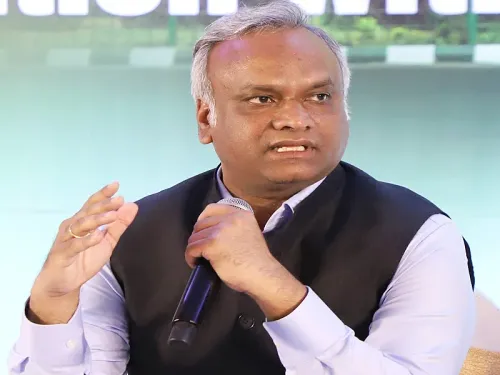
It is notable that following a correspondence from Minister Priyank Kharge advocating for a ban on RSS public activities, the Congress-led government enacted legislation requiring all private organizations to obtain prior approval from authorities before conducting any events in public or government-owned areas.
In addition, Dalit and progressive groups submitted requests to hold processions and foot marches in Chittapur town, represented by Minister Priyank Kharge, coinciding with the RSS's centenary foot march.
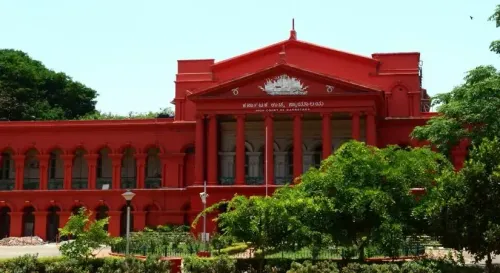
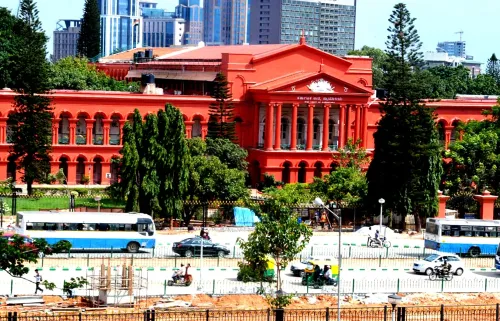
The High Court instructed the district administration to convene a peace meeting. As no consensus was reached during the peace meeting, the High Court has postponed the matter to November 7 and directed the authorities to reconvene in Bengaluru.
In response to the Karnataka government's criticisms and alleged attempts to restrain the RSS, the BJP asserted that the Sangh possesses the capability to stand against 'hundreds of Priyank Kharges and Siddaramaiahs,' having previously faced prominent leaders such as Prime Ministers Nehru and Indira Gandhi.
Priyank Kharge serves as the Minister for RDPR, IT, and BT and is the son of AICC President Mallikarjun Kharge.
Point of View
It's crucial to observe the delicate balance between community rights and public safety. The RSS's foot march in Yadgir highlights ongoing tensions, especially in light of the objections raised by Dalit groups. It's essential for authorities to foster dialogue and ensure that all voices are heard, promoting peace and understanding.
NationPress
30 Sept 2026
Frequently Asked Questions
What is the RSS foot march about?
The RSS foot march aims to celebrate its centenary and promote its activities in the region.
Why did Dalit groups object to the march?
Dalit groups raised concerns about potential unrest and the implications of the RSS's activities on community harmony.
What conditions were imposed by the authorities?
Authorities imposed ten conditions, including restrictions on slogans and the carrying of weapons, to ensure public safety.
What was the outcome of the peace meeting?
The peace meeting failed to reach a consensus, leading the High Court to adjourn the matter to November 7.
What does this development mean for public assembly rights?
This situation raises important questions about the rights of organizations to assemble in public spaces, especially under contentious circumstances.