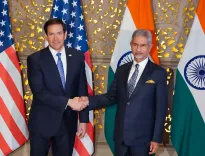
Rubio lays wreath at 26/11 memorial, meets Taj hotel security chief who survived the siege
Synopsis
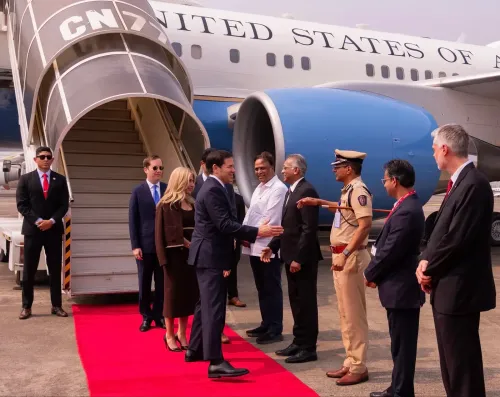
Marco Rubio did not just pass through Mumbai — he sat with a man who survived the 2008 Taj siege and heard the attack from the inside. The wreath-laying and first-hand account, brokered personally by Jaishankar, set the emotional tone for talks that then pivoted sharply to energy trade, defence procurement, and technology — a reminder that the US-India partnership is now as much about supply chains as it is about shared trauma.
Key Takeaways
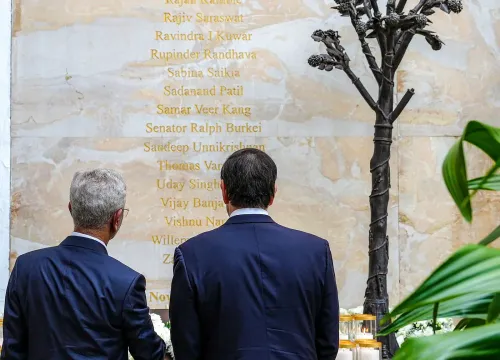
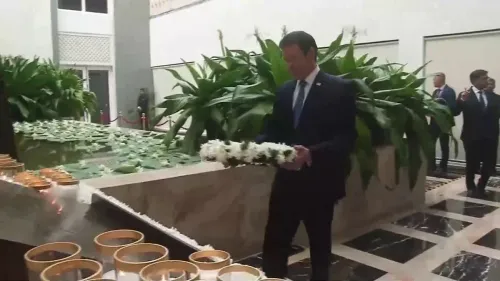
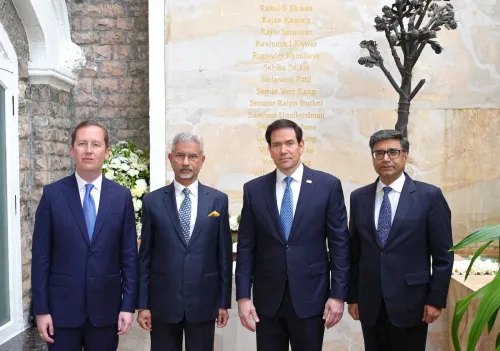
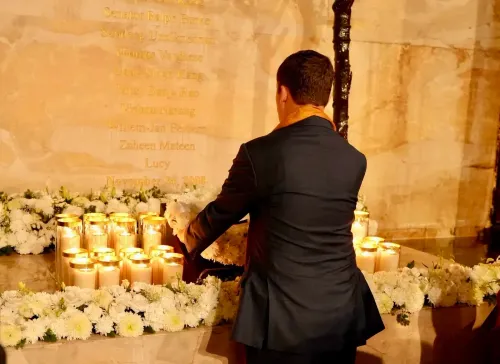
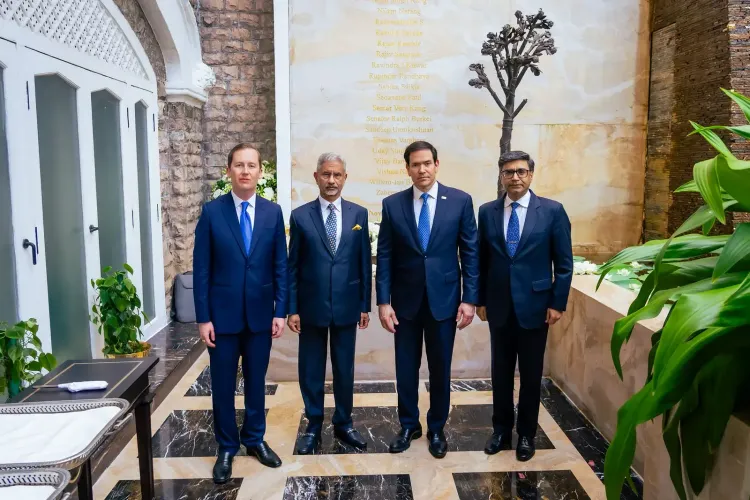
US Secretary of State Marco Rubio visited the Taj Mahal Palace Hotel in Mumbai on 20 October 2026 and laid a wreath at the 26/11 memorial .
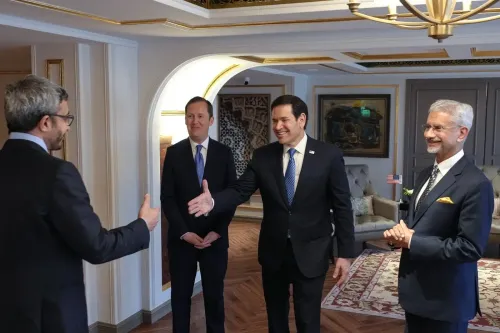
Rubio met Sunil Kudyadi , the hotel's security chief who was on duty during the 26 November 2008 terror attacks, hearing a first-hand account of the siege.
External Affairs Minister S.
Jaishankar personally introduced Kudyadi to Rubio.
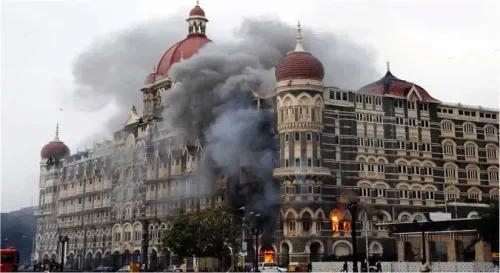
The 2008 Mumbai attacks killed 166 people , including six American citizens .
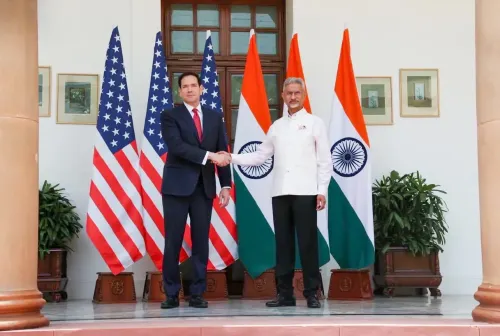
During bilateral talks, Rubio pressed for greater US-India energy trade , increased purchase of American technologies , and expanded defence and civil nuclear cooperation .
Both sides also exchanged views on regional developments, including the situation in the Middle East .
US Secretary of State Marco Rubio on Tuesday, 20 October 2026, visited the Taj Mahal Palace Hotel in Mumbai, laying a wreath at the 26/11 memorial to honour the victims of the 2008 Mumbai terror attacks and meeting Sunil Kudyadi, the hotel's security chief who was on duty during the siege. External Affairs Minister S. Jaishankar introduced Kudyadi to Rubio, after which the US Secretary of State heard a first-hand account of the attack, including details of how long the siege lasted.
Rubio's tribute at the 26/11 memorial
The wreath-laying was a pointed act of solidarity. The 26 November 2008 attacks, carried out by Pakistani terrorists, killed 166 people, among them six American citizens. Rubio framed the visit in terms of a shared counter-terrorism commitment, stating in a post on social media platform X: 'At the Taj Mahal Palace Hotel, I laid a wreath honouring the victims of the horrific November 26, 2008, terrorist attacks, including six American citizens. We remember those lost, honour the courage of those who responded, and reaffirm the enduring US-India partnership and our shared commitment to combating terrorism.'
A survivor's account, nearly two decades on
The decision to seat Rubio directly with Sunil Kudyadi — rather than limiting the visit to a ceremonial tribute — underscored the personal and institutional weight the US side attached to the occasion. Kudyadi, who lived through the four-day siege that paralysed South Mumbai, provided a ground-level account that no briefing paper can replicate. Notably, Jaishankar himself made the introduction, signalling Delhi's deliberate choreography of the moment.
Bilateral agenda: energy, defence, and technology
Following the memorial visit, Rubio held substantive talks with EAM Jaishankar, where the US pressed for expanded economic and security ties. According to a statement from the US State Department, Rubio 'reiterated that increased energy trade with the United States can play a transformative role in diversifying India's supply chains while meeting its sizeable consumer demand.' He also 'commended recent progress in bilateral defence and civil nuclear cooperation, and advocated for the increased purchase of US technologies and systems, which can enhance the security and prosperity of both our countries.'
Jaishankar, in his own post on X, said the two sides focused on 'trade, energy, technology, defence and people-to-people ties' and also exchanged views on regional developments, including in the Middle East.
What the visit signals
Rubio's choice of the Taj Mahal Palace as a backdrop — rather than a formal government venue — carries diplomatic weight. The 26/11 attacks remain the defining trauma in India's counter-terrorism narrative, and US acknowledgement of that history, at the site itself, reinforces the counter-terrorism strand of the US-India strategic partnership. This comes amid broader diplomatic activity between the two nations on energy diversification, semiconductor supply chains, and defence procurement — areas where Washington has been pressing New Delhi for deeper alignment. The stop in Mumbai also reflects a deliberate effort to signal continuity in bilateral ties beyond the capital's diplomatic circuit.
Frequently Asked Questions
Why did Marco Rubio visit the Taj Mahal Palace Hotel in Mumbai?
Rubio visited the Taj Mahal Palace Hotel on 20 October 2026 to lay a wreath at the 26/11 memorial honouring victims of the 2008 Mumbai terror attacks, which killed 166 people including six American citizens. The visit reaffirmed the US-India shared commitment to combating terrorism.
Who is Sunil Kudyadi and why did Rubio meet him?
Sunil Kudyadi is the security chief of the Taj Mahal Palace Hotel who was on duty during the 26/11 siege in November 2008. Rubio met him — with EAM Jaishankar making the introduction — to hear a first-hand account of the attack, including the duration of the siege.
What were the key outcomes of the Rubio-Jaishankar talks in Mumbai?
According to the US State Department, Rubio pushed for increased energy trade between the US and India, commended progress in bilateral defence and civil nuclear cooperation, and advocated for India to purchase more American technologies and systems. The two sides also discussed regional developments including the Middle East.
How many people were killed in the 26/11 Mumbai attacks?
The 26 November 2008 Mumbai terror attacks, carried out by Pakistani terrorists, killed 166 people, including six American citizens. The attacks involved multiple locations across South Mumbai, with the Taj Mahal Palace Hotel among the most prominent siege sites.
What is the significance of Rubio's visit to Mumbai for US-India relations?
The visit signals a deliberate effort by the US to deepen the bilateral partnership across counter-terrorism, energy, defence, and technology. By choosing the Taj memorial as a backdrop and engaging directly with a survivor, Rubio underscored both the personal and strategic dimensions of the US-India relationship.