CM Vishnu Deo Sai hails Rs 2,677 crore PMAY-G push for Chhattisgarh

Synopsis
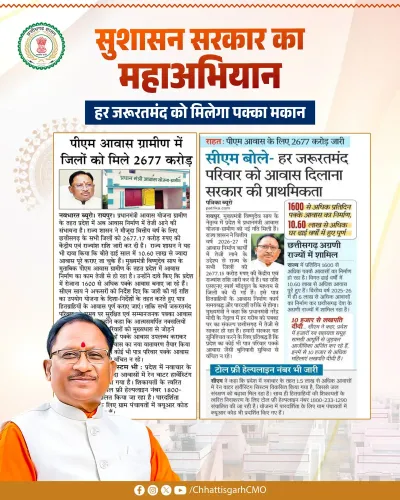
Chhattisgarh Chief Minister Vishnu Deo Sai has flagged a central release of more than Rs 2,677 crore under the Pradhan Mantri Awas Yojana (Gramin), saying it will fast-track pucca houses for thousands of rural families and reaffirming his government's pledge that no eligible household will be left without a roof.
Key Takeaways
Chhattisgarh CM Vishnu Deo Sai announced a central release of more than Rs 2,677 crore under PMAY-Gramin for the state.
The post, in Hindi, framed a pucca roof as a foundation of 'security, dignity and a better future'.
PMAY-G, launched in 2016, targets pucca houses with basic amenities for eligible rural households.
Beneficiary focus in Chhattisgarh includes tribal, SC and landless families across districts such as Bastar, Sukma and Surguja.
Sai reiterated a saturation pledge — no eligible family to remain without housing.
Next watch: speed of state-level sanctions, instalments and any saturation-drive deadline.
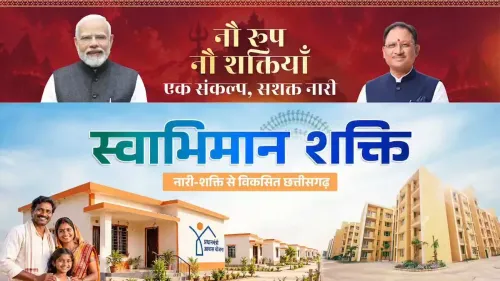
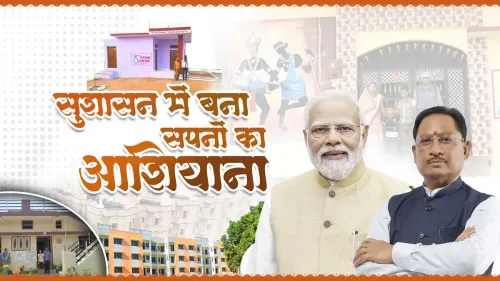
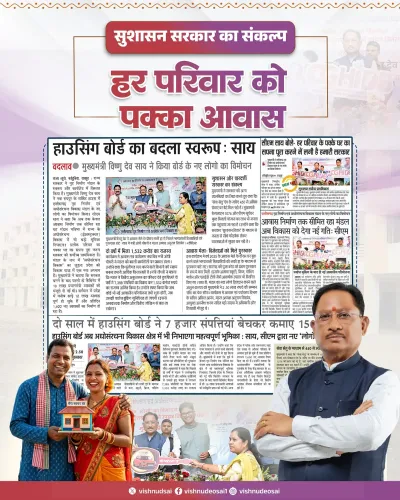
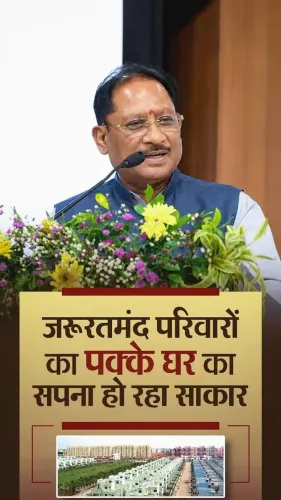
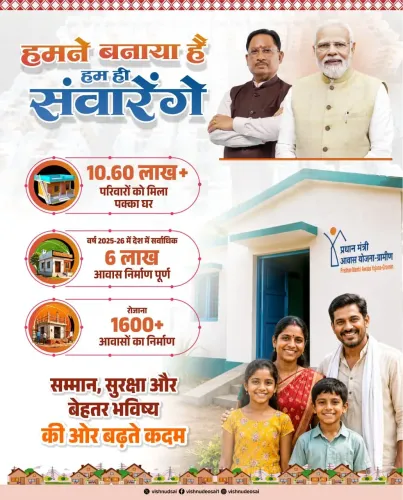
Chhattisgarh Chief Minister Vishnu Deo Sai on Wednesday welcomed a central release of more than Rs 2,677 crore under the Pradhan Mantri Awas Yojana (Gramin) for the state, saying the funds will accelerate the construction of pucca houses for thousands of rural families. The announcement was made through a post on X, accompanied by an image, framing the disbursal as a milestone in the state government's rural welfare delivery.
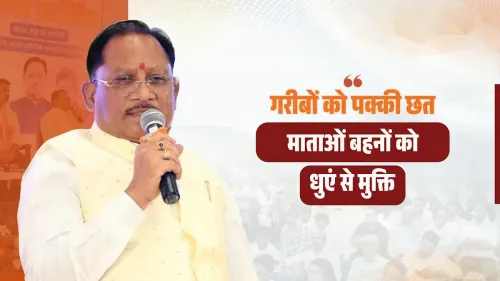
In the post, written in Hindi, the Chief Minister said, 'When a family gets its own pucca roof, it is not just a house that is built, but a new foundation of security, dignity and a better future is laid.' He added that the release of more than Rs 2,677 crore under PMAY-G would 'give new momentum to realising the dreams of thousands of families in Chhattisgarh' and reiterated that his government is committed to ensuring 'no eligible family is left without a house'. He signed off with the pledge — 'har jarooratmand ke sir par pakki chhat, har ghar mein samman aur har parivar ke jeevan mein khushhali' (a pucca roof over every needy head, dignity in every home and prosperity in every family's life).
Context
Vishnu Deo Sai, a senior tribal leader of the Bharatiya Janata Party, took charge as Chief Minister of Chhattisgarh in December 2023 after the BJP returned to power in the state assembly elections. A former Union Minister of State for Steel, Sai has placed implementation of central welfare schemes — particularly housing, drinking water and rural roads — at the centre of his administration's pitch in a state with a large tribal and forest-dependent population.
Housing has been an especially sensitive metric in Chhattisgarh, where several districts continue to grapple with left-wing extremism and where many families in interior blocks still live in kutcha dwellings. The Chief Minister's post positions the latest fund tranche as a direct push to close that gap.
Policy backdrop
The Pradhan Mantri Awas Yojana (Gramin) was launched in 2016 as a restructured version of the earlier Indira Awaas Yojana, with the stated objective of providing pucca houses with basic amenities to eligible rural households. The original target set under the scheme was around 2.95 crore rural houses, later extended with fresh tranches and revised timelines.
Under the scheme's architecture, the Ministry of Rural Development at the Centre sanctions and releases funds, while state governments handle beneficiary verification using the Socio-Economic and Caste Census dataset, geo-tagging, instalment-linked construction monitoring and convergence with schemes such as MGNREGA for unskilled labour wages and the Swachh Bharat Mission for toilets.
Stakeholders and impact
The immediate beneficiaries of the latest release, as flagged by the Chief Minister, are eligible rural households in Chhattisgarh awaiting sanction or construction-linked instalments. In practice, this category includes a significant share of Scheduled Tribe and Scheduled Caste families, landless labourers and households headed by women in districts such as Bastar, Sukma, Dantewada, Kanker, Surguja and Jashpur.
For the state's rural development department, a tranche of this size translates into pressure to speed up sanction orders, instalment transfers and geo-tagged inspections so that houses are completed within the scheme's stipulated 12-month construction window. District collectors and block-level functionaries typically anchor this delivery chain.
What's next
Attention will now turn to how quickly the state machinery converts the sanctioned amount into ground-level sanctions and first instalments to beneficiaries, and whether the government announces a saturation drive timeline for pending PMAY-G households in Chhattisgarh. Subsequent central releases under PMAY-G for the 2026-27 cycle and any revised physical targets for the state will be closely watched.
For Vishnu Deo Sai's administration, the political value of the housing push lies in being able to demonstrate visible, household-level welfare delivery — a metric the BJP has repeatedly invoked to contrast its tenure with the previous government in Raipur.
Point of View
Where centrally funded household-level schemes are showcased as proof of governance dividend. In Chhattisgarh, where Sai leads a tribal-majority cabinet that displaced the Congress in 2023, PMAY-G is both a welfare instrument and a political signalling tool, particularly in left-wing extremism-affected districts where state presence has historically been contested. The size of the tranche, if delivered on the ground at pace, gives the administration a concrete metric to defend ahead of the next electoral cycle. The real test, however, will be the gap between sanction and completion — a gap that has tripped up several states despite generous central allocations.
NationPress
18 Oct 2026
Frequently Asked Questions
What did Chhattisgarh CM Vishnu Deo Sai announce about PMAY Gramin?
He announced that more than Rs 2,677 crore had been released for Chhattisgarh under the Pradhan Mantri Awas Yojana (Gramin) to fund pucca houses for thousands of rural families in the state.
What is Pradhan Mantri Awas Yojana Gramin?
PMAY-Gramin is a central rural housing scheme launched in 2016 that provides financial assistance to eligible rural households below the poverty line to build pucca houses with basic amenities, implemented by the Ministry of Rural Development with state governments.
Who is eligible for PMAY-G housing in Chhattisgarh?
Eligibility is determined using the Socio-Economic and Caste Census criteria and covers landless families, those living in kutcha or dilapidated houses, SC, ST and other vulnerable rural households, subject to verification by state and district authorities.
When did Vishnu Deo Sai become Chief Minister of Chhattisgarh?
Vishnu Deo Sai took oath as Chief Minister of Chhattisgarh in December 2023 after the BJP won the state assembly elections, replacing the previous Congress government.
How is PMAY-G funding shared between Centre and states?
PMAY-G is a centrally sponsored scheme where the Union government sanctions and releases the bulk of funds, while state governments contribute a share and handle beneficiary selection, construction monitoring, geo-tagging and instalment release on the ground.