CM Saini Raises Haryana Rural Watchmen Pay to ₹15,221
Synopsis
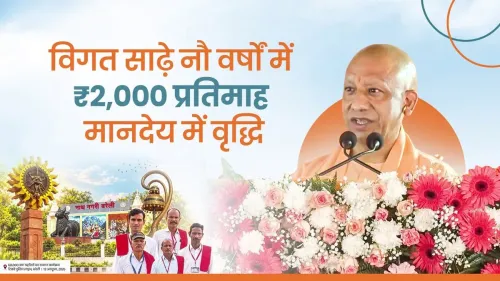
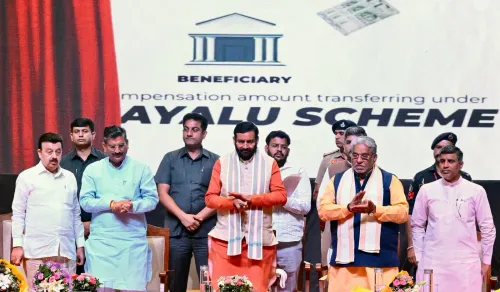
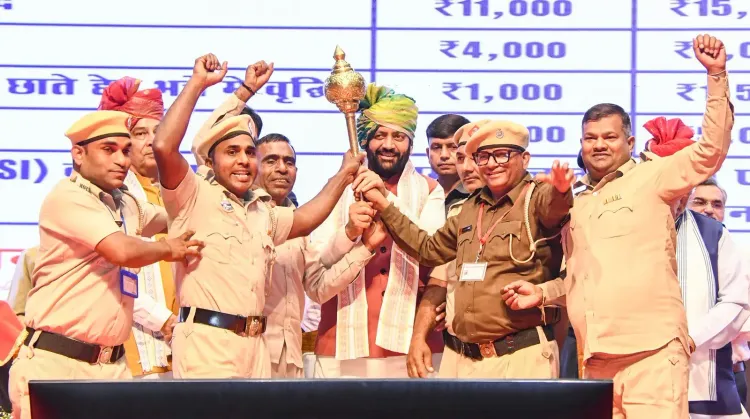
Haryana CM Nayab Singh Saini announced a 38 percent hike in rural watchmen's monthly honorarium — from ₹11,000 to ₹15,221 — at the Gramin Chowkidar Samman Samaroh in Panchkula on 6 November 2026, alongside a revision in the annual uniform allowance.
Key Takeaways
Monthly honorarium raised for Haryana rural watchmen from ₹11,000 to ₹15,221 — a hike of roughly 38 percent.
Annual uniform allowance revised upward from ₹4,000 ; exact new figure not fully disclosed in available information.
Announcement made at the Haryana Gramin Chowkidar Samman Samaroh held in Panchkula on 6 November 2026 .
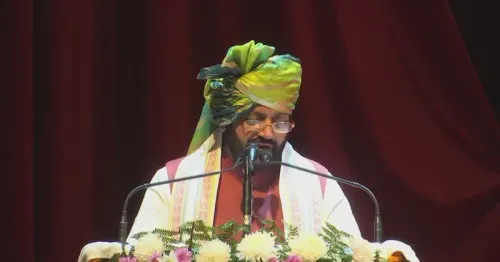
CM Nayab Singh Saini personally attended and addressed rural watchmen at the ceremony.
Rollout timeline and full details of the revised uniform allowance are yet to be officially confirmed.
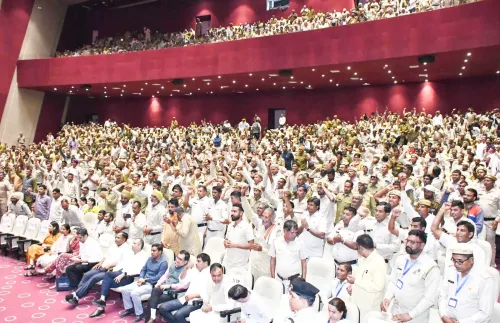
A raise long overdue finally arrived on Friday, 6 November 2026, when Haryana Chief Minister Nayab Singh Saini stood before hundreds of village watchmen in Panchkula and announced a sweeping revision of their benefits — the most visible signal yet that the state considers these ground-level sentinels worth more than their previous ₹11,000 monthly honorarium.
At the Haryana Gramin Chowkidar Samman Samaroh — a dedicated state ceremony to honour rural watchmen — CM Saini declared a hike in the monthly honorarium from ₹11,000 to ₹15,221, a jump of roughly 38 percent. The annual uniform allowance, previously pegged at ₹4,000, was also revised upward, though the new figure was cut off in the post. Posting in Hindi, Saini described the occasion as honouring 'gaanvon ke sachche prahariyom ko samman' — 'honour for the true sentinels of villages'.
Who Haryana's Gramin Chowkidars Are — and Why Their Pay Lagged
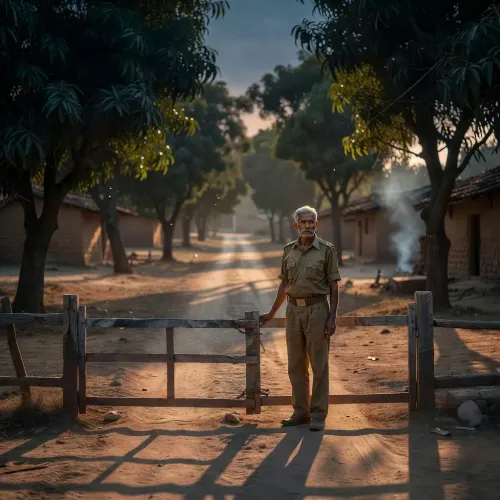
Rural chowkidars occupy one of India's oldest village-administration roles: they patrol settlements after dark, relay local information to block-level officials, and serve as the first point of contact between gram panchayats and law enforcement. Despite this, their honorariums across most states have historically been modest, revised infrequently, and rarely indexed to inflation.
Haryana's previous rate of ₹11,000 per month had drawn criticism from watchmen's associations who argued it sat well below minimum-wage levels for unskilled labour in the state. The Saini government's decision to bring it to ₹15,221 aligns the figure more closely with the state's current minimum wage framework for Class-D workers.
Panchkula Ceremony as Political Signalling
Hosting a named samman samaroh — a formal felicitation event — rather than announcing the hike through a routine press note is a deliberate choice. It puts beneficiaries on a stage, creates imagery, and embeds the announcement in a narrative of dignity rather than bureaucratic revision. The BJP government in Haryana has used similar formats for anganwadi workers and ASHA volunteers in recent years, building a pattern of welfare optics around grassroots functionaries.
Chowkidars, spread across thousands of villages, also represent a dense electoral network in rural constituencies — a reality no state government is unaware of when scheduling such events.
What Still Needs Confirming
The post was truncated before the revised uniform allowance figure could be stated in full. The rollout timeline — when exactly watchmen will begin receiving ₹15,221 — has not been specified in available information. These details will be critical for watchmen's bodies assessing whether the announcement translates into immediate disbursement or a phased implementation stretching months ahead.
For now, Haryana's rural chowkidars have a number to hold the government to: ₹15,221 — and a ceremony on record as the promise.
Point of View
ASHA workers, gram sachivs — to consolidate grassroots support. The 38 percent jump is substantive enough to be credible, but the missing uniform-allowance figure and absent rollout timeline are the loose threads that watchmen's bodies will pull hard on. How quickly the revised rate reaches actual disbursements will determine whether this is durable policy or durable imagery.
NationPress
6 Nov 2026
Frequently Asked Questions
What is the new monthly salary of Haryana rural chowkidars after the 2026 hike?
Haryana Chief Minister Nayab Singh Saini announced an increase in the monthly honorarium for rural watchmen from ₹11,000 to ₹15,221 at the Gramin Chowkidar Samman Samaroh in Panchkula on 6 November 2026.
What is the Haryana Gramin Chowkidar Samman Samaroh?
It is a state-level felicitation ceremony organised by the Haryana government to honour rural watchmen and announce revised benefits for them. The 2026 edition was held in Panchkula.
By how much did CM Saini increase the rural chowkidar honorarium?
The monthly honorarium was raised by approximately 38 percent — from ₹11,000 to ₹15,221 — alongside an upward revision of the annual uniform allowance, whose new figure was not fully disclosed in the announcement.
Who are Haryana's gramin chowkidars?
Gramin chowkidars are village-level watchmen who patrol rural settlements, assist gram panchayats, and act as a link between local communities and administrative or law-enforcement bodies.
When will Haryana watchmen start receiving the new ₹15,221 honorarium?
The rollout timeline for the revised ₹15,221 monthly honorarium has not been officially confirmed yet following the 6 November 2026 announcement.