CM Saini Launches HIV/AIDS Awareness Drive on Youth Day
Synopsis
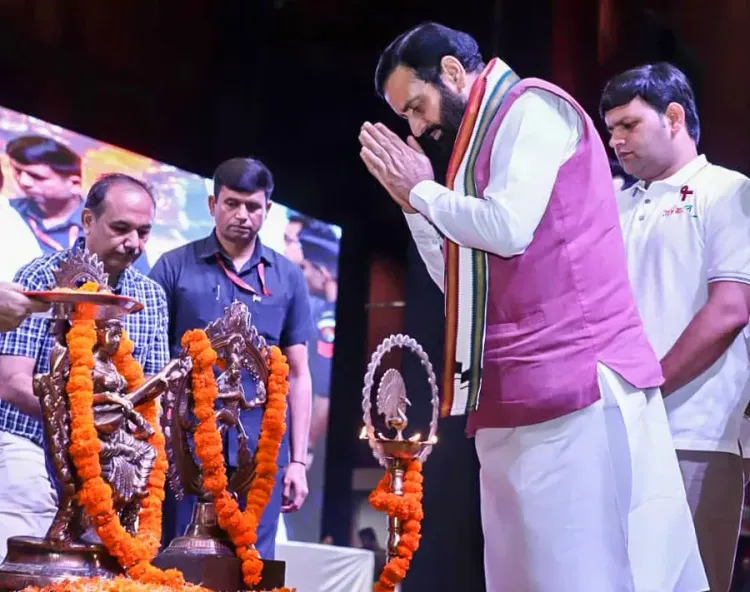
Haryana Chief Minister Nayab Singh Saini launched the nationwide 'Intensified IEC Campaign 3.0' on HIV/AIDS awareness on International Youth Day, 12 August 2026, calling youth the strength of present-day India and urging mass spread of accurate health information.
Key Takeaways
Haryana CM Nayab Singh Saini launched the HIV/AIDS 'Intensified IEC Campaign 3.0' nationwide on 12 August 2026 , International Youth Day.
The campaign is part of India's long-running National AIDS Control Programme , managed by NACO under the Ministry of Health and Family Welfare.
The IEC campaign series focuses on behaviour change, awareness, and voluntary testing among youth and high-risk populations.
Saini framed youth as 'the strength of India today,' calling for maximum spread of accurate health information across society.
The NACP has evolved through five successive phases since 1992 , with adolescents and young adults as a central demographic focus.
State-level implementation outcomes and NACO's mid-term awareness metrics will determine the campaign's real-world impact.
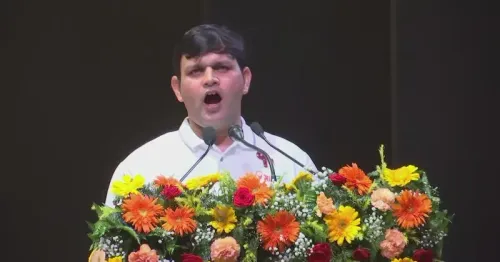
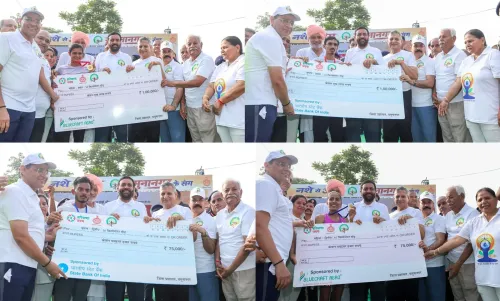
On a day set aside to celebrate the world's young people, Haryana Chief Minister Nayab Singh Saini stepped into a crowd of youth on 12 August 2026 — International Youth Day — and formally launched a nationwide HIV/AIDS awareness campaign, signalling that public health outreach is as much a political priority as a medical one.
The campaign in question is the 'Intensified Information, Education and Communication Campaign 3.0' — the latest iteration of a long-running series of behaviour-change drives conducted under India's National AIDS Control Programme (NACP). Saini announced that the drive begins today across the country, with the stated aim of reaching young people with 'important information' and empowering them to lead healthy and safe lives.
IEC 3.0 and the National AIDS Control Programme's Long Arc
India's HIV response is now in its fourth decade. The National AIDS Control Programme was first launched in 1992 and has evolved through successive phases — NACP-I through NACP-V — each sharpening its focus on prevention, testing, and community-level communication. The nodal body behind this work is NACO, the National AIDS Control Organisation, operating under the Ministry of Health and Family Welfare.
The IEC campaign series has been a consistent pillar of this effort — using mass media, school outreach, and community mobilisation to shift behaviour among high-risk and general youth populations. Adolescents and young adults have emerged as the demographic most critical to sustaining India's relatively low HIV prevalence, making youth-targeted communication a strategic, not merely symbolic, choice.
Saini's Message: Youth as Strength, Not Just Future
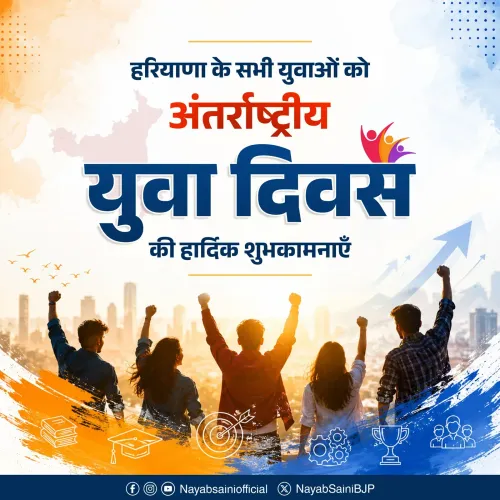
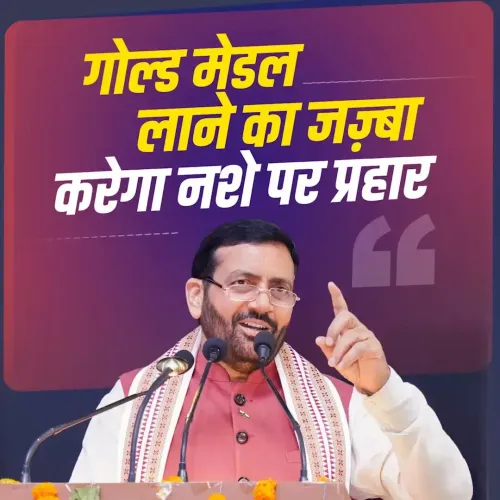
In his post, Saini framed the occasion with a pointed line: 'Yuva sirf desh ka bhavisya nahin, aaj ke Bharat ki taakat hain' — 'Youth are not merely the country's future; they are the strength of India today.' The phrasing is deliberate — it repositions young people as active agents in a public health movement, not passive recipients of government messaging.
He called on citizens to spread accurate information as widely as possible and contribute collectively to building a 'healthy and empowered society.' The campaign's launch on International Youth Day — observed every year on 12 August globally — gives it an international frame and amplifies its symbolic weight.
With state-level implementation now underway, the real test will come in NACO's mid-term reviews: whether awareness metrics and voluntary testing uptake actually move among young Haryanvis and beyond.
Point of View
Not a bureaucratic routine. Anchoring the launch to International Youth Day broadens its optics beyond Haryana, suggesting an attempt to align state leadership with a national and global public-health agenda. The IEC Campaign series has historically struggled with last-mile reach; the real measure of this moment will be whether state governments translate the launch energy into sustained grassroots implementation. For the BJP, health-sector visibility among youth is increasingly strategic ahead of electoral cycles.
NationPress
26 Sept 2026
Frequently Asked Questions
What is the IEC Campaign 3.0 launched on International Youth Day 2026?
The 'Intensified Information, Education and Communication Campaign 3.0' is a nationwide HIV/AIDS awareness drive launched on 12 August 2026 under India's National AIDS Control Programme, aimed at reaching youth with accurate health information and promoting safe behaviour.
Who launched the HIV awareness campaign on International Youth Day 2026?
Haryana Chief Minister Nayab Singh Saini launched the campaign by joining youth gatherings on 12 August 2026, coinciding with International Youth Day.
What is NACO and what is its role in HIV prevention in India?
NACO, the National AIDS Control Organisation, is the nodal agency under India's Ministry of Health and Family Welfare responsible for HIV/AIDS prevention and control, including running the IEC campaign series since the National AIDS Control Programme's launch in 1992.
Why is International Youth Day significant for HIV awareness campaigns in India?
Observed every year on 12 August, International Youth Day provides a global platform to highlight issues affecting young people. India's HIV response has long identified adolescents and young adults as critical to sustaining low HIV prevalence, making the date a strategic launchpad.
What has India's National AIDS Control Programme achieved over the years?
Launched in 1992, the NACP has run through multiple phases (NACP-I to NACP-V), progressively focusing on prevention, community outreach, and targeted interventions that have helped India maintain relatively low HIV prevalence compared to global peers.