CM Samrat Choudhary reviews new criminal laws, ICJS rollout in Bihar
Synopsis
Bihar Chief Minister Samrat Choudhary chaired a high-level review on the three new criminal laws and the Interoperable Criminal Justice System, directing officials to ensure transparent, tech-enabled justice, speedy trials, stronger inter-department data sharing and regular district-level meetings between police and industry representatives.
Key Takeaways
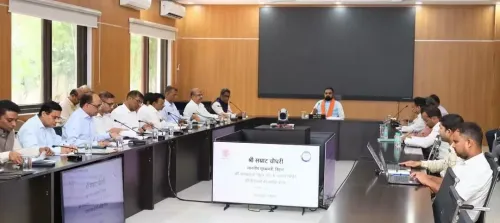
Samrat Choudhary chaired a Home Department review at the Sankalp auditorium, Lok Sevak Awas.
Focus on implementation of the three new criminal laws and the Interoperable Criminal Justice System (ICJS).
Directives issued for transparent, technology-enabled and citizen-centric justice delivery.
Speedy trial mechanisms and stronger inter-department information sharing ordered.
District Magistrates and SPs to hold regular meetings with industrialists and traders.
Wide public awareness campaign planned for the citizen services portal.
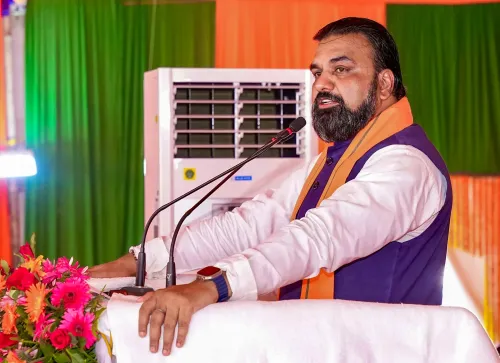
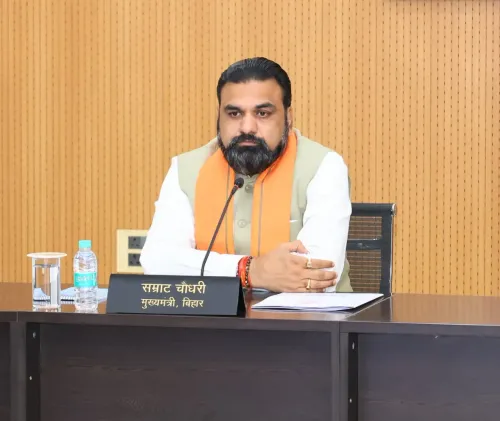
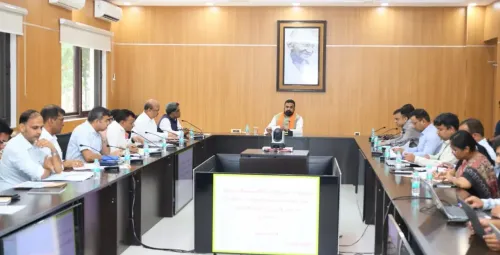
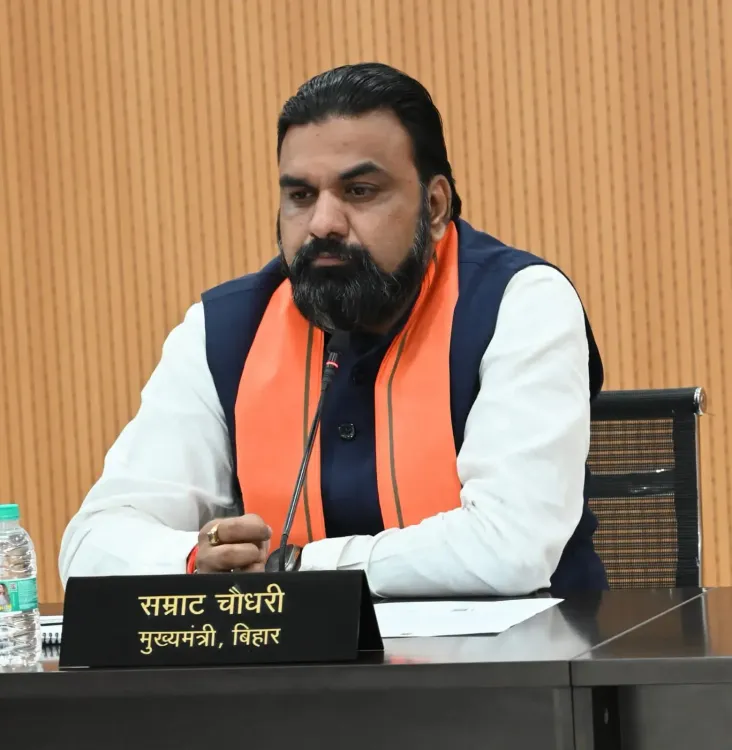
Bihar Chief Minister Samrat Choudhary on Tuesday chaired a high-level review meeting with senior officers of the state Home Department at the Sankalp auditorium in the Lok Sevak Awas, focusing on the effective implementation of the three new criminal laws and the Interoperable Criminal Justice System (ICJS). He directed officials to make the justice delivery framework more transparent, technology-enabled and citizen-centric, and to step up coordination between the police and the business community.
Context
In his post on X, the Chief Minister listed a series of instructions issued during the meeting. He called for 'न्याय प्रणाली को अधिक पारदर्शी, तकनीक-सक्षम एवं जनहितकारी' (a justice system that is more transparent, technology-enabled and people-friendly) and pressed for a wide public awareness campaign around the citizen services portal.
The Chief Minister also directed that cases be disposed of swiftly through speedy trial mechanisms, and that information exchange between various departments be further strengthened. The meeting was attended by administrative officers of the Home Department, according to the post.
Policy backdrop
The review comes against the backdrop of the rollout of the three new criminal codes — the Bharatiya Nyaya Sanhita, the Bharatiya Nagarik Suraksha Sanhita and the Bharatiya Sakshya Adhiniyam — which Parliament enacted in December 2023 to replace the colonial-era Indian Penal Code, Code of Criminal Procedure and Evidence Act. The new laws came into force across the country from July 2024, requiring states to recalibrate police training, investigation protocols and case management systems.
The ICJS, anchored by the Union Ministry of Home Affairs, has been rolled out in phases since 2018 to knit together the Crime and Criminal Tracking Network and Systems (CCTNS), e-Courts, e-Prisons and forensic databases. The platform is designed to allow seamless flow of investigation and trial data across police stations, courts, prisons and forensic laboratories, and is considered central to the working of the new criminal codes.
Stakeholders and impact
A notable directive in the post is aimed at the interface between law enforcement and the economy. District Magistrates and Superintendents of Police have been told to hold regular meetings with industrialists, traders and representatives of reputed institutions, and to act on their suggestions on safety and operational concerns.
The Chief Minister asked officers to pay 'special attention' to the security and requirements of industry and trade, and to ensure follow-up action on inputs received from business stakeholders. For police forces, the instructions translate into stronger ICJS data discipline and tighter timelines on case progression; for citizens and businesses, the focus is on faster trials, an active grievance portal and a more accessible district administration.
The review fits a broader pattern visible since mid-2024, with several states holding similar high-level meetings to align local policing with the new statutory framework and the ICJS architecture.
What's next
Attention now turns to how quickly Bihar's districts translate these directions into measurable outcomes — including ICJS integration metrics, disposal rates under speedy trial provisions and the cadence of the proposed district-level interactions with industry. Compliance reports from the state are likely to feed into the Union Home Ministry's ongoing assessment of uniform implementation of the 2023 criminal codes across states.
The post closed with the hashtags #समृद्ध_बिहार (Prosperous Bihar) and #विकसित_भारत (Developed India), framing the policing reform agenda within the government's wider development pitch ahead of further administrative reviews.
Point of View
Where the real test lies in case data flowing cleanly across police, courts and prisons via ICJS. By pairing speedy trial directives with a structured police-industry interface, the Chief Minister is also reading the political economy of law and order — investor sentiment increasingly tracks predictability of policing as much as headline crime numbers. The instructions echo a wider BJP-state template of pitching reformed criminal justice as a development enabler. Execution metrics, not meetings, will determine whether this narrative holds.
NationPress
19 Sept 2026
Frequently Asked Questions
What are the three new criminal laws in India?
They are the Bharatiya Nyaya Sanhita, Bharatiya Nagarik Suraksha Sanhita and Bharatiya Sakshya Adhiniyam, enacted by Parliament in December 2023 to replace the Indian Penal Code, the Code of Criminal Procedure and the Indian Evidence Act. They came into force across India from July 2024.
What is the Interoperable Criminal Justice System (ICJS)?
ICJS is a central platform that links police, courts, prisons and forensic databases so that case information flows seamlessly across the criminal justice pillars. It is being rolled out in phases by the Union Ministry of Home Affairs since 2018.
What did Samrat Choudhary direct in the Bihar review meeting?
He directed officials to make justice delivery more transparent and technology-enabled, ensure speedy trials, strengthen data sharing between departments, run a public awareness campaign on the citizen services portal, and ask District Magistrates and SPs to meet industrialists and traders regularly.
Why is Bihar focusing on police-industry meetings?
The Chief Minister directed District Magistrates and Superintendents of Police to hold regular interactions with industrialists, traders and reputed institutions so that their safety and operational concerns are addressed and actioned, linking policing reform with the state's economic agenda.
Where was the Bihar Home Department review held?
The high-level review meeting was held at the Sankalp auditorium in the Lok Sevak Awas (the Chief Minister's official residence complex) in Patna.