CM Conrad Sangma Hoists Tiranga at Polo Grounds, Shillong
Synopsis
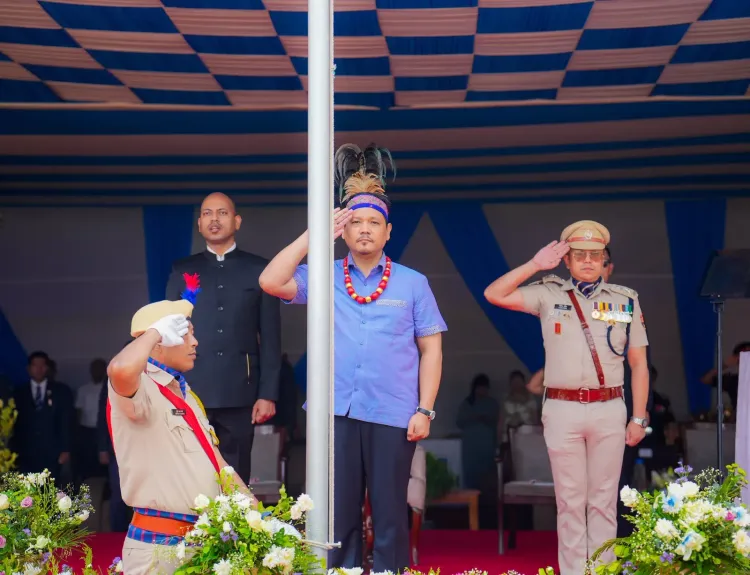
Meghalaya Chief Minister Conrad Sangma addressed citizens at Polo Grounds, Shillong on Independence Day 2026, hoisting the Tiranga and paying tribute to national and state leaders who protected India's freedom and Meghalaya's distinct land and identity.
Key Takeaways
Conrad Sangma delivered the Independence Day address at Polo Grounds, Shillong on 15 August 2026 .
The Chief Minister hoisted the Tiranga at the traditional state-level flag-hoisting ceremony.
Sangma honoured both national freedom fighters and Meghalaya's own leaders who protected local land and identity.
His speech called on citizens to carry forward the dedication of past generations toward peace, progress, and prosperity.
The address reflects the northeastern tradition of combining national unity with assertions of regional and tribal distinctiveness.
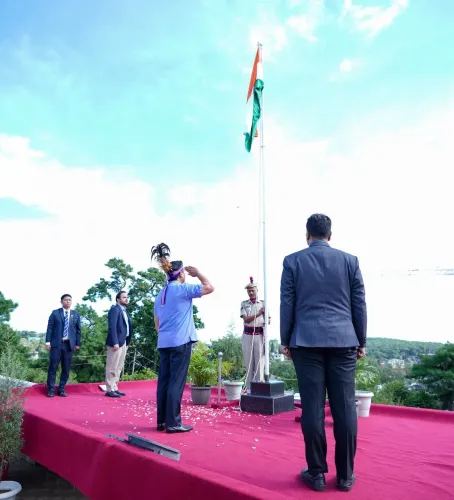
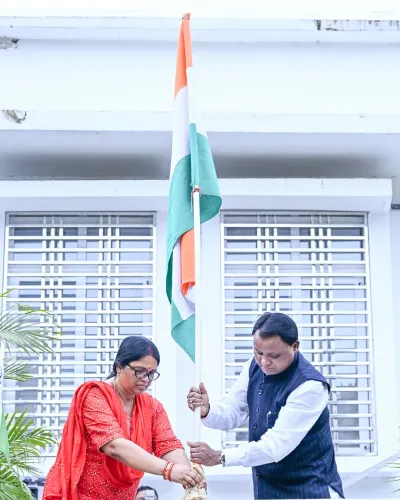
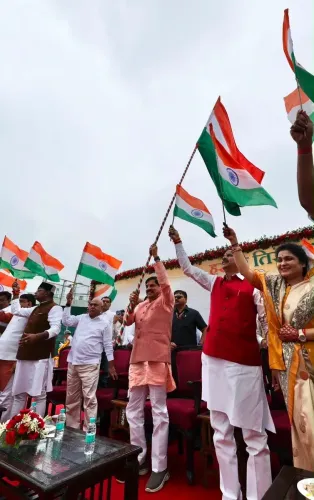
At Polo Grounds, Shillong, on 15 August 2026, Meghalaya Chief Minister Conrad Sangma unfurled the Tiranga before the people of his state — invoking both the nation's long freedom struggle and Meghalaya's own distinct story of land, identity, and resilience.
Sangma's address wove two threads together: a national tribute and a deeply local one. 'We bow to the great leaders whose sacrifices secured our freedom, and to the leaders of our state who stood firm to protect our land, our identity and our people,' he said, drawing a direct line from India's independence movement to the men and women who shaped Meghalaya's particular place within the Union.
Polo Grounds and the weight of the occasion
Polo Grounds is the traditional venue for Meghalaya's state-level Independence Day ceremony — a wide, open expanse in the heart of Shillong that has hosted the flag-hoisting ritual year after year. For a northeastern state where questions of tribal identity, land rights, and cultural protection remain live political realities, the Independence Day address carries weight beyond ceremony. Sangma's explicit reference to protecting 'our land, our identity and our people' speaks directly to that context.
A northeastern register: unity and distinctiveness together
Across India's northeastern states, Independence Day speeches have long carried a dual register — affirming national unity while asserting regional distinctiveness. Meghalaya, home to significant tribal populations and governed partly through autonomous district councils under the Sixth Schedule of the Constitution, is no exception. Chief ministers here routinely frame development and national belonging through the lens of local culture and community — and Sangma's address on Saturday fit squarely within that tradition.
Calling on citizens to 'carry forward their hard work with the same dedication and commitment,' Sangma closed with a prayer for 'peace, progress and prosperity' — the three pillars that northeastern leaders consistently invoke as both aspiration and political promise.
Point of View
The Independence Day address is never purely ceremonial — it is a calibration of identity politics. Sangma's explicit nod to protecting Meghalaya's 'land, identity and people' signals continued sensitivity to Sixth Schedule autonomy and tribal rights, themes that resonate deeply in the northeast and will likely inform the state's legislative priorities in the months ahead. His dual framing — national pride plus local distinctiveness — is the NPP's political sweet spot, threading unity and regionalism without alienating either constituency.
NationPress
30 Sept 2026
Frequently Asked Questions
Where did Conrad Sangma hoist the flag on Independence Day 2026?
Conrad Sangma hoisted the Tiranga at Polo Grounds, Shillong , the traditional venue for Meghalaya's state-level Independence Day ceremony.
What did Conrad Sangma say in his Independence Day speech?
Sangma paid tribute to national freedom fighters and Meghalaya's own leaders, calling on citizens to protect the state's land and identity and to carry forward past generations' dedication toward peace, progress, and prosperity.
What is the Polo Grounds in Shillong?
Polo Grounds is a large open ground in central Shillong that serves as the traditional venue for Meghalaya's official Independence Day flag-hoisting ceremony.
What is Conrad Sangma's political role beyond being Meghalaya CM?
Conrad Sangma is both the Chief Minister of Meghalaya and the national president of the National People's Party (NPP) .
Why do northeastern chief ministers emphasise land and identity in Independence Day speeches?
Northeastern states like Meghalaya have significant tribal populations and constitutional protections under the Sixth Schedule , making land rights and cultural identity ongoing political priorities that leaders regularly address in public forums.