CM Conrad Sangma appeals for release of 6 Naga civilians
Synopsis
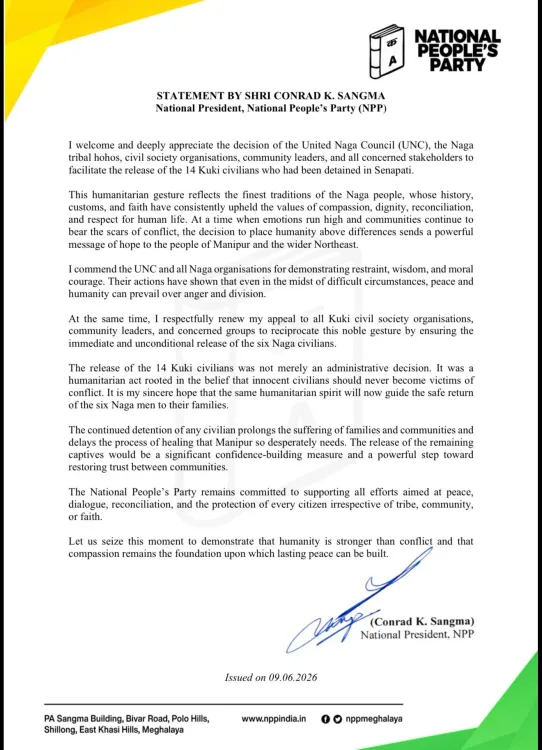
Meghalaya Chief Minister Conrad Sangma on June 9 welcomed the United Naga Council's facilitation of the release of 14 Kuki civilians detained in Senapati, Manipur, and appealed to Kuki civil society organisations to reciprocate with the safe, unconditional release of six Naga civilians still in detention.
Key Takeaways
Conrad Sangma , Meghalaya CM and NPP national president, issued a public appeal on June 9, 2026 regarding civilian detentions in Senapati, Manipur .
The United Naga Council (UNC) , Naga tribal hohos, and civil society organisations facilitated the release of 14 Kuki civilians from detention.
Sangma called the gesture a 'humanitarian decision' and urged Kuki organisations to reciprocate unconditionally.
Six Naga civilians remain in detention; Sangma appealed for their 'safe and unconditional release.' The appeal fits a long-standing pattern of community-mediated releases rooted in Naga-Kuki conflicts dating to the 1990s , intensified after May 2023 ethnic violence.
Tribal hohos and civil society bodies on both sides are identified as the key actors for any reciprocal humanitarian action.
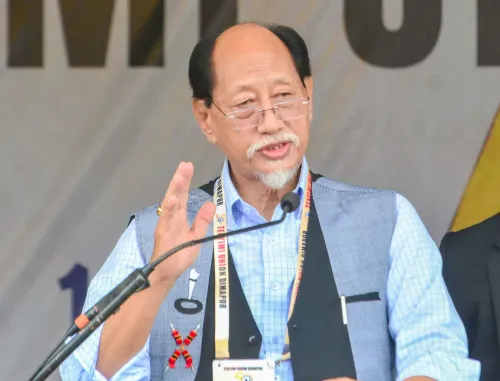
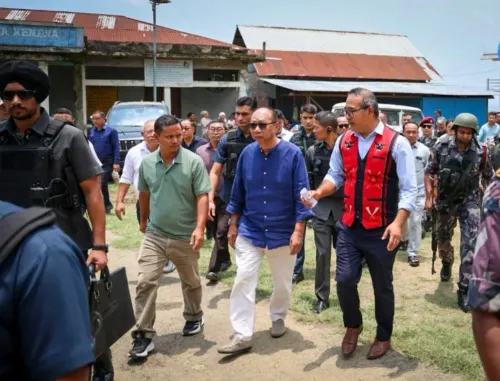
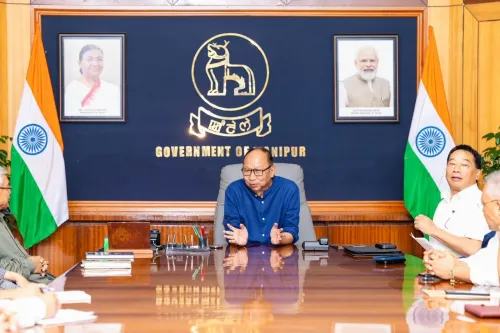
Meghalaya Chief Minister Conrad Sangma on Tuesday, June 9, 2026, publicly appreciated the decision by the United Naga Council (UNC), Naga tribal hohos, and civil society organisations to facilitate the release of 14 Kuki civilians detained in Senapati, Manipur, and simultaneously appealed to Kuki community leaders to ensure the unconditional release of six Naga civilians still in detention.
Context
In his post on X, Conrad Sangma — who also serves as national president of the National People's Party (NPP) — described the UNC's gesture as a 'humanitarian decision' and called it a 'compassionate gesture' that 'offers hope.' He urged Kuki civil society organisations and community leaders to 'reciprocate by ensuring the safe and unconditional release of the six Naga civilians, so families on all sides may find healing and peace.'
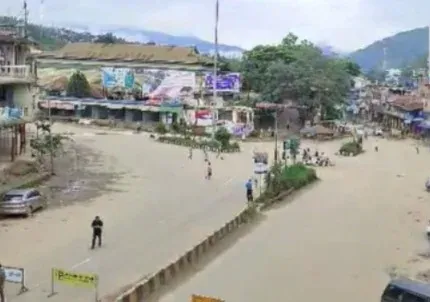
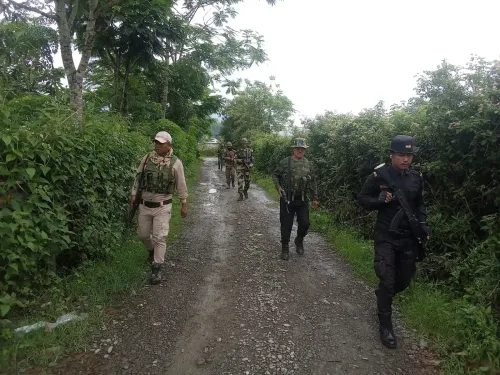
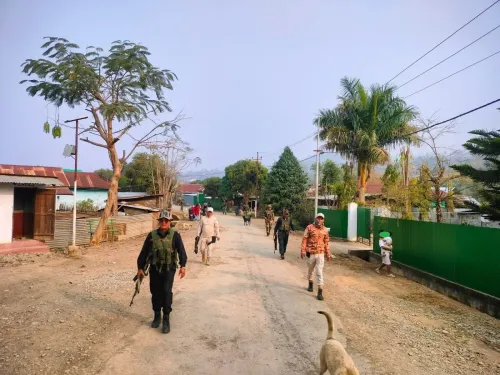
The appeal comes amid ongoing inter-community tensions in Manipur, where cycles of civilian detention and negotiated release have persisted across decades of ethnic conflict. Senapati district has been a recurring flashpoint involving Naga and Kuki groups.
Policy Backdrop
The broader context traces back to the Naga-Kuki clashes of the 1990s in Manipur, which established a grim pattern of reciprocal hostage-taking followed by community-mediated releases. That pattern was intensified by the outbreak of large-scale ethnic violence in May 2023, primarily between the Meitei and Kuki communities, which triggered prolonged displacement, detentions, and inter-tribal friction across the state.
The United Naga Council is the apex Naga tribal body in Manipur and has historically played a role in community negotiations and conflict mediation. Kuki civil society organisations represent community interests on the other side of these negotiations and have been active participants in earlier rounds of confidence-building measures.
Stakeholders and Impact
At the centre of this humanitarian exchange are the families of the 14 Kuki civilians now released and the families of the six Naga civilians still awaiting release. Tribal hohos — traditional apex community bodies — have been cited by Sangma as key facilitators, underscoring the role of customary institutions in bridging state and community-level conflict resolution.
Regional leaders from neighbouring states such as Meghalaya have historically used public appeals to reinforce cross-border tribal linkages and signal that humanitarian norms must hold even amid active ethnic friction. Sangma's statement fits this pattern, aiming to maintain pressure for reciprocal action without escalating political rhetoric.
What's Next
The key development to watch is whether Kuki civil society organisations formally announce the release of the six Naga civilians in response to Sangma's appeal. Any subsequent statement from the Manipur government or the Ministry of Home Affairs on further confidence-building measures would signal whether this exchange becomes a building block for broader de-escalation. If reciprocal releases are completed, it could open space for more structured dialogue between the two communities under the watch of tribal institutions and regional political leaders.
Point of View
Without taking an adversarial political stance. As NPP national president, Sangma has a stake in Northeast stability that extends beyond Meghalaya's borders, and such appeals help position him as a credible inter-tribal interlocutor in a region where the Centre's direct leverage is often limited. The framing of 'humanity rising above conflict' is deliberate: it de-politicises the ask and grounds it in shared customary values, making it harder for any party to publicly refuse. If the six Naga civilians are released, this episode could serve as a template for community-mediated confidence-building ahead of any formal peace process in Manipur.
NationPress
23 Oct 2026
Frequently Asked Questions
Who are the 14 Kuki civilians released in Senapati?
The 14 Kuki civilians were detained in Senapati district, Manipur , amid ongoing inter-community tensions. Their release was facilitated by the United Naga Council , Naga tribal hohos, and civil society organisations, as acknowledged by CM Conrad Sangma in his June 9, 2026 post. Specific identities have not been confirmed in available information.
What is the United Naga Council and what role does it play in Manipur?
The United Naga Council (UNC) is the apex Naga tribal body in Manipur . It has historically been involved in community negotiations, conflict mediation, and facilitating humanitarian exchanges between Naga and other communities during periods of ethnic tension.
Why are Naga and Kuki communities in conflict in Manipur?
Naga-Kuki tensions in Manipur date to the 1990s , when clashes established patterns of reciprocal hostage-taking and community-mediated releases. These tensions were further inflamed by large-scale ethnic violence that began in May 2023 , primarily involving the Meitei and Kuki communities, which caused widespread displacement and inter-tribal friction across the state.
Why is Meghalaya CM Conrad Sangma commenting on a Manipur issue?
Conrad Sangma is not only Meghalaya's Chief Minister but also the national president of the National People's Party (NPP) , which has political interests across the Northeast. Regional leaders from neighbouring states frequently issue appeals on Manipur's inter-community conflicts to reinforce cross-border tribal linkages and signal support for humanitarian norms.
What needs to happen next after the release of the 14 Kuki civilians?
Sangma has specifically appealed to Kuki civil society organisations to ensure the 'safe and unconditional release' of six Naga civilians still in detention. A formal announcement from Kuki community leaders and any follow-up statement from the Manipur government or Ministry of Home Affairs would be the key next steps to watch.