HP CM Office: Sangrah Govt School to Get CBSE Affiliation
Synopsis
The Himachal Pradesh Chief Minister's Office announced affiliation of the government senior secondary school in Sangrah to CBSE and pledged primary-level teacher deployment, extending the state's decade-long push to bring national-curriculum schooling to rural children.
Key Takeaways
Rajkiya Varishtha Madhyamik Pathshala, Sangrah will be affiliated to CBSE, giving rural students access to a national-standard curriculum.
The state government will deploy teachers at the primary level in CBSE-affiliated government schools to support quality implementation.
Himachal Pradesh has been selectively affiliating government schools to CBSE since the mid-2010s to close the urban-rural education quality gap.
CBSE affiliation allows students to sit nationally recognised board examinations, improving their prospects in higher education and competitive exams.
The announcement was made by the Chief Minister's Office of Himachal Pradesh on 30 October 2026 .
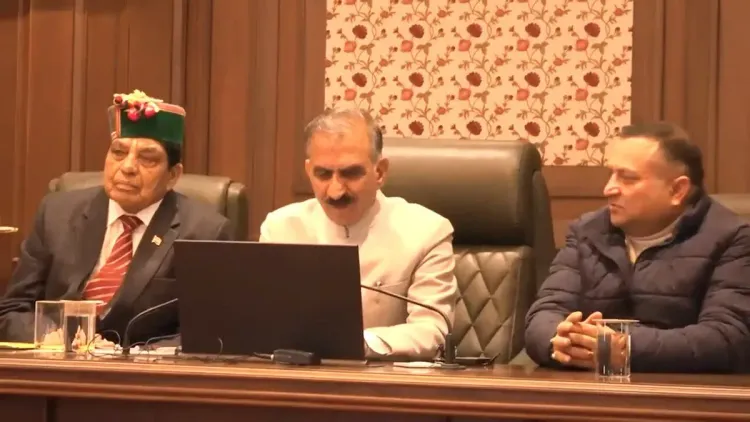
Rural children in Sangrah, Himachal Pradesh, are set to access a nationally standardised education as the state government announced that Rajkiya Varishtha Madhyamik Pathshala, Sangrah will be affiliated to the Central Board of Secondary Education (CBSE) — a move the Chief Minister's Office of Himachal Pradesh confirmed on Friday, 30 October 2026.
The CMO posted in Hindi: 'Rajkiya Varishtha Madhyamik Pathshala, Sangadah ko CBSE school se sambaddh kiya jaega' — 'Government Senior Secondary School, Sangrah will be affiliated to a CBSE school.' The announcement also committed to deploying teachers at the primary level in CBSE-affiliated government schools, directly addressing a staffing gap that has long undermined quality in state-run institutions.What CBSE affiliation means for a village school
CBSE is India's premier national school board, setting curriculum standards and conducting board examinations for over 27,000 affiliated schools across the country. For a government school in a small hill town like Sangrah in Sirmaur district, affiliation means its students will sit the same standardised syllabus and board exams as students in private urban schools — a credential that carries weight in college admissions and competitive examinations nationwide.
The quality gap between fee-charging private CBSE schools in cities and state-board government schools in villages has been one of Himachal Pradesh's persistent education challenges. Rural families who wanted CBSE schooling for their children typically had to travel to district towns or pay private school fees — neither option accessible to most.
HP's incremental push to bring CBSE into government classrooms
Himachal Pradesh began selectively affiliating government schools to CBSE in the mid-2010s, betting that a uniform national curriculum would raise learning outcomes and make state-school graduates more competitive. The Sangrah announcement continues that arc, extending the network deeper into rural geography.
Critically, the CMO did not stop at affiliation alone. The commitment to post teachers at the primary level in CBSE government schools signals recognition that the board's curriculum demands pedagogical capacity that many state schools currently lack. Affiliation without qualified teachers has been a known weak point in earlier phases of this programme.
Progress on the actual affiliation order for Sangrah and the timeline for primary-teacher deployment will be the key milestones to watch. If executed, this model — CBSE curriculum plus primary-level staffing — could become a replicable template for other government schools across the state's remote valleys and ridges.
Point of View
Not just an urban-prestige marker. The add-on commitment on primary-level teachers is the more consequential detail: past CBSE affiliations in state schools have stalled precisely because staffing never followed the board letter. If Himachal Pradesh now backs the affiliation drive with teacher recruitment orders, it could credibly position itself as a model for other hill states grappling with the same urban-rural learning divide. The timing — ahead of a budget cycle — also suggests these pledges may be pegged to concrete fiscal allocations worth tracking.
NationPress
30 Oct 2026
Frequently Asked Questions
Which school in Himachal Pradesh is being affiliated to CBSE?
Rajkiya Varishtha Madhyamik Pathshala (Government Senior Secondary School) in Sangrah, Himachal Pradesh, has been announced for affiliation to the Central Board of Secondary Education.
What is the benefit of CBSE affiliation for government schools?
CBSE affiliation means students follow a nationally standardised syllabus and sit board examinations recognised across India, improving their competitiveness in college admissions and national-level exams.
Will teachers be posted in CBSE government schools in Himachal Pradesh?
Yes, the Chief Minister's Office has announced that teachers will be made available at the primary level in CBSE-affiliated government schools in the state.
When did Himachal Pradesh start affiliating government schools to CBSE?
Himachal Pradesh began selectively affiliating government schools to CBSE in the mid-2010s as part of efforts to align state institutions with a uniform national curriculum.
Where is Sangrah located in Himachal Pradesh?
Sangrah is a town in Sirmaur district of Himachal Pradesh.