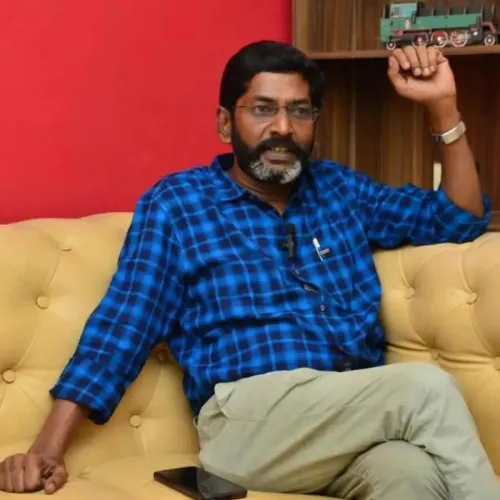
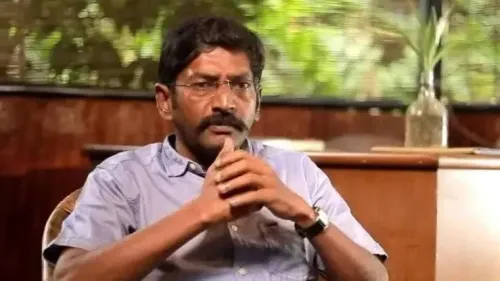
Savukku Shankar freed as Tamil Nadu revokes Goondas Act detention
Synopsis
Savukku Shankar's release from Puzhal Central Prison is more than a legal footnote — it is an early political signal from Tamil Nadu's new government. By revoking a Goondas Act detention linked to the previous DMK regime, the Vijay administration has drawn a clear line, and Shankar's pointed attack on DMK's press freedom record only sharpens the contrast.
Key Takeaways
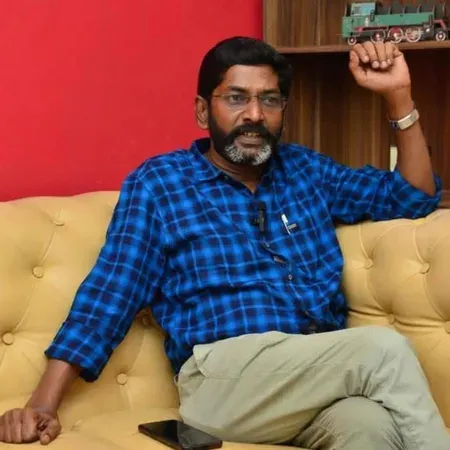
Savukku Shankar was released from Puzhal Central Prison , Chennai, on 23 May after the Tamil Nadu government revoked his Goondas Act preventive detention order.
The revocation followed a review by an advisory committee set up after the change of government in Tamil Nadu.
Shankar had been arrested over alleged defamatory remarks against the previous DMK government, and later rearrested by an Andhra Pradesh police team for failing to appear in court.
He praised Chief Minister C.
Joseph Vijay , crediting his direct intervention for expediting the release.
Shankar alleged the DMK was 'the most cruel party' for imprisoning journalists, and called coalition governments essential for democratic accountability.
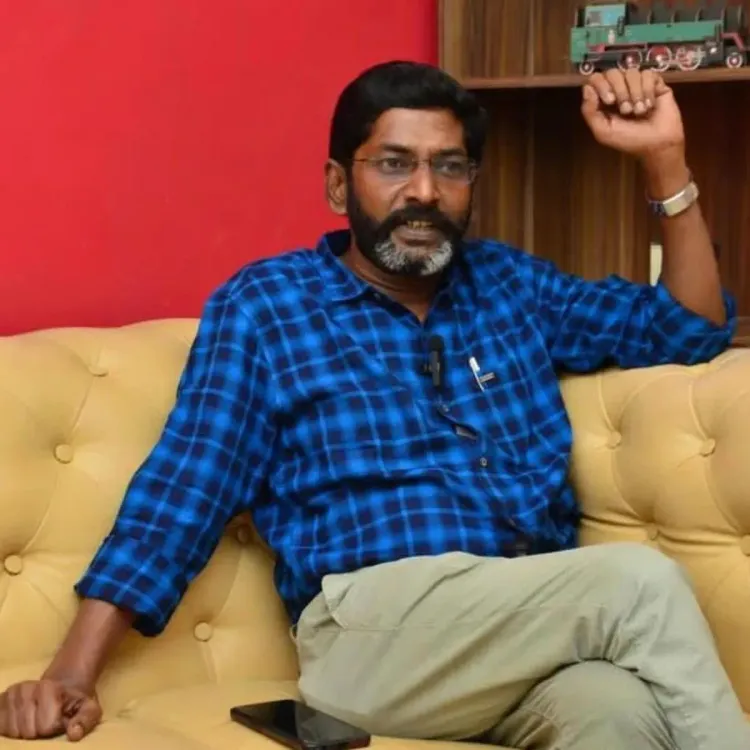
Political commentator and YouTuber Savukku Shankar walked free from Puzhal Central Prison in Chennai on Saturday, 23 May, after the Tamil Nadu government revoked the preventive detention order imposed against him under the Goondas Act. The withdrawal followed a review by an advisory committee constituted to examine detention cases in the wake of the recent change in government in the state.
Background: A Series of Arrests
Shankar's legal troubles began with his arrest over alleged defamatory remarks directed at the previous Dravida Munnetra Kazhagam (DMK) government and certain DMK ministers. He was subsequently granted conditional bail in those cases, but was rearrested by a special police team from Andhra Pradesh for reportedly failing to appear before a court.
After being brought back to Tamil Nadu and lodged at Puzhal Central Prison, the Chennai Police — acting on directions from the city police commissioner — invoked the Goondas Act, placing him under preventive detention. The advisory committee's review of such cases ultimately led the state government to withdraw the detention order, paving the way for his release.
Shankar Praises Chief Minister Vijay
Speaking to reporters outside the prison, Shankar expressed gratitude toward Chief Minister C. Joseph Vijay, crediting his direct intervention for expediting the withdrawal order. He described the recent Tamil Nadu Assembly election result as an 'extraordinary verdict' by the people of the state.
'I have read that Chief Minister Vijay is governing after understanding the people's verdict. My request to him is to complete the full five-year term of the coalition government and continue implementing welfare measures for the people,' Shankar said.
Sharp Attack on the Previous DMK Government
Shankar reserved his harshest words for the outgoing DMK administration, alleging it had systematically suppressed press freedom and targeted journalists. 'There cannot be a more cruel party than the DMK. There has never been another government that imprisoned journalists in the way the DMK did,' he alleged.
He also argued that coalition governments inherently strengthen democratic accountability, contending that alliance partners are more likely to flag governance lapses and uphold media freedom than single-party majorities.
What This Signals for Tamil Nadu's Political Landscape
The revocation of Shankar's Goondas Act detention is one of the early signals from the new Tamil Nadu government regarding its approach to cases inherited from the previous administration. Notably, the advisory committee review that led to his release was itself set up as a post-election governance measure, suggesting a broader reassessment of preventive detention orders may be underway.
How the new government navigates the balance between law enforcement continuity and civil liberties — particularly for journalists and commentators — will be closely watched in the weeks ahead.
Point of View
High-visibility signal to press freedom advocates. But the deeper question is whether this reflects a systemic rollback of preventive detention overreach or simply selective relief for a high-profile critic of the outgoing government. Shankar's own allegations about DMK's treatment of journalists deserve scrutiny independent of the political context — and the new government's credibility on press freedom will ultimately be judged by how it handles the next inconvenient commentator, not this one.
NationPress
22 Sept 2026
Frequently Asked Questions
Why was Savukku Shankar in prison under the Goondas Act?
Savukku Shankar was placed under preventive detention under the Goondas Act by the Chennai Police after he was brought back to Tamil Nadu following a rearrest by an Andhra Pradesh police team. His original arrests were linked to alleged defamatory remarks against the previous DMK government and certain ministers.
What led to Savukku Shankar's release?
An advisory committee constituted by the Tamil Nadu government to review preventive detention cases recommended withdrawal of the Goondas Act order against Shankar. The government accepted the recommendation, and he was released from Puzhal Central Prison on 23 May.
What did Savukku Shankar say about Chief Minister Vijay after his release?
Shankar praised CM C. Joseph Vijay, saying the new government appeared to understand the people's verdict from the recent Assembly elections. He also claimed Vijay personally intervened to expedite the withdrawal of the detention order.
What allegations did Savukku Shankar make against the DMK?
Shankar alleged that the DMK was the 'most cruel party' and that no previous government had imprisoned journalists the way the DMK did. He accused the outgoing administration of suppressing press freedom and targeting media voices.
What is the Goondas Act and how is it used in Tamil Nadu?
The Goondas Act allows state authorities to detain individuals deemed a threat to public order without a regular trial, for a specified period. In Tamil Nadu, it has been invoked against various individuals including those accused of offences against public officials or the media.