Savukku Shankar released: TN Advisory Board finds no cause for detention

Synopsis
For the third time, Tamil Nadu's own Advisory Board has found no legal justification to keep 'Savukku' Shankar behind bars — a pattern that raises pointed questions about the repeated use of preventive detention against one of the state's most controversial political commentators.
Key Takeaways
The Tamil Nadu government issued a release order for 'Savukku' Shankar on 19 May 2026 , following an Advisory Board review.
The State Advisory Board unanimously found no sufficient cause to continue detention under the Tamil Nadu Preventive Detention Act, 1982 .
This is the third time Shankar's preventive detention has been set aside.
His first detention was quashed by the Madras High Court in August 2024 ; a second followed under the NDPS Act in Theni .
The Madras High Court also granted him bail last week in an attempted murder case linked to his 8 April 2026 arrest in Ongole, Andhra Pradesh .
Shankar may still face proceedings in the NDPS and Ongole cases, which remain active.
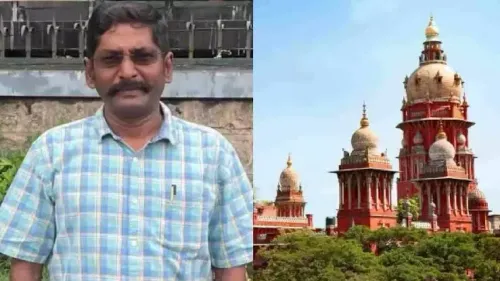
The Tamil Nadu government has ordered the immediate release of YouTuber and journalist A. Shankar, widely known as 'Savukku' Shankar, after the State Advisory Board unanimously concluded that there was no adequate justification to continue his preventive detention under the Tamil Nadu Preventive Detention Act, 1982. The official release order was issued on Tuesday, 19 May 2026.
The directive instructs authorities to free Shankar immediately, unless he is being held under a separate law or serving a sentence following conviction in another case.
What the Advisory Board Found
The State Advisory Board examined the grounds of detention under Section 10 of the Tamil Nadu Preventive Detention Act. It reviewed records submitted by the detaining authority and also considered Shankar's oral representation.
The Board unanimously held that there was no sufficient cause to justify continuing the detention of 'Shankar @ Savukku Shankar'. The State government accepted the Board's findings in full and issued the release order accordingly.
A Pattern of Repeated Detentions
This marks the third time Shankar's preventive detention has been set aside — a pattern that underscores the prolonged and contentious legal proceedings surrounding the political commentator.
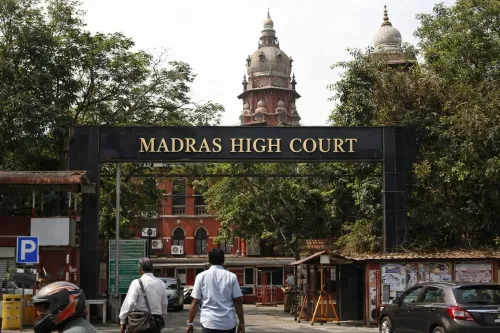
His first detention order was quashed by the Madras High Court in August 2024. Shortly thereafter, he was detained again in connection with an alleged offence under the Narcotic Drugs and Psychotropic Substances (NDPS) Act in Theni district.
Most recently, Shankar was arrested in Ongole, Andhra Pradesh, on 8 April 2026. Authorities accused him of an attempted murder case, alleging that he pelted stones at police escort personnel who were accompanying him to Chennai following his arrest.
Bail and Legal Proceedings
Last week, the Madras High Court granted Shankar bail in the Ongole-linked attempted murder case, taking into account developments in the investigation. That ruling, combined with Tuesday's release order revoking preventive detention, represents a significant legal turn in his favour.
Notably, this is not the first time judicial and quasi-judicial bodies have found the grounds for Shankar's detention to be legally insufficient — a recurring finding that has drawn scrutiny toward the use of preventive detention laws against journalists and commentators in the state.
What Happens Next
With the preventive detention revoked, Shankar's release is contingent on there being no other active custodial order against him. The multiple legal proceedings — including the NDPS case and the Ongole matter — remain at various stages, meaning his legal battle is far from over. His case is expected to continue attracting political and civil liberties attention in Tamil Nadu.
Point of View
Only to be struck down on review. Tamil Nadu's preventive detention law, like similar statutes elsewhere, is meant for exceptional circumstances; its repeated deployment against a journalist-commentator invites serious scrutiny of whether it is being used as an instrument of harassment rather than public order. The broader civil liberties question — whether preventive detention is being misapplied against dissenting voices — is one that courts have now flagged three times, yet the cycle continues.
NationPress
19 Sept 2026
Frequently Asked Questions
Why was Savukku Shankar released by the Tamil Nadu government?
The Tamil Nadu government ordered Shankar's release on 19 May 2026 after the State Advisory Board unanimously concluded there was no sufficient cause to continue his preventive detention under the Tamil Nadu Preventive Detention Act, 1982. The state accepted the Board's recommendation and issued the release order.
How many times has Savukku Shankar's detention been set aside?
This is the third time his preventive detention has been set aside. The first detention order was quashed by the Madras High Court in August 2024, and subsequent detentions have also been revoked through judicial or quasi-judicial review.
What is the Ongole case involving Savukku Shankar?
Shankar was arrested in Ongole, Andhra Pradesh, on 8 April 2026. Authorities accused him of an attempted murder case, alleging he pelted stones at police escort personnel accompanying him to Chennai. The Madras High Court granted him bail in this case last week.
Is Savukku Shankar completely free of all cases?
Not entirely. While his preventive detention has been revoked, he still faces proceedings in other matters, including an alleged NDPS Act offence in Theni district and the Ongole attempted murder case, both of which remain at various stages of legal proceedings.
What is the Tamil Nadu Preventive Detention Act, 1982?
It is a state law that allows authorities to detain individuals without trial for a specified period to prevent them from acting in a manner prejudicial to public order or state security. Detentions under the Act are subject to review by a State Advisory Board, which can recommend release if it finds insufficient grounds.