CM Sawant Pushes Reserved Seats for Goa Students in Higher Ed
Synopsis
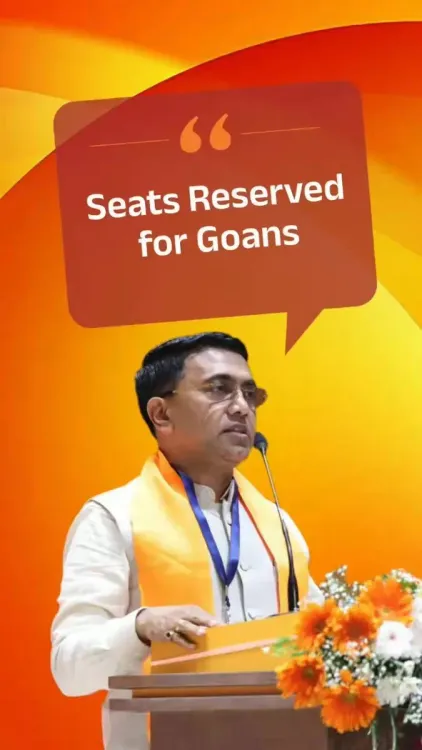
Goa CM Pramod Sawant has highlighted the state's strategy of expanding specialised and higher education institutions with domicile-based reserved seats for local students, framed under his #Mission2027 agenda.
Key Takeaways
Goa CM Pramod Sawant on 27 October 2026 outlined a push to expand specialised and higher education within the state.
Reserved seats for Goan students are a central tool to ensure local access to new and expanded institutions.
IIT Goa , established in 2016 , is the foundational precedent for specialised education with local provisions in the state.
The initiative is tagged under #Mission2027 , signalling a politically framed timeline tied to the next state election cycle.
India's National Education Policy 2020 provides the broader federal framework guiding Goa's institutional expansion.
Admission notifications and seat-allocation details from the state education department will be the key deliverable to watch.
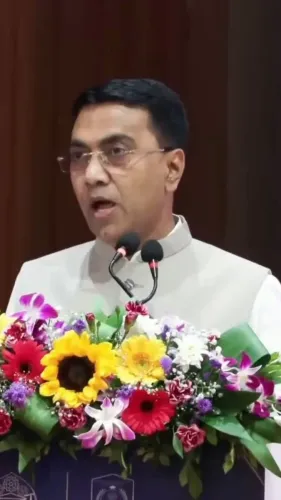
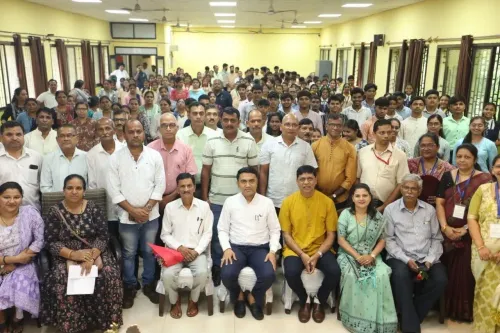
Goa is betting on its own backyard. Goa Chief Minister Pramod Sawant on Tuesday, 27 October 2026 outlined the state's push to expand specialised and higher education within its borders — with reserved seats ensuring local students are not crowded out by the broader national competition.
Sawant's post, tagged under #Mission2027, frames the effort as a deliberate strategy to keep Goan talent in Goa. The core logic is straightforward: build the institutions, then guarantee the doors are open for the students who grew up here.
Why Domicile Reservations Matter in a Small State
Goa is a small state with a disproportionate pull from outside — tourism, real estate, and higher education alike draw in a national crowd. Without explicit seat reservations, local students competing for seats in specialised institutions risk being edged out by the sheer volume of applicants from larger states. Domicile-based reservations are a direct policy answer to that structural imbalance. This is not a new idea in Indian federal policy. States across the country have used seat-reservation mechanisms to protect local access to publicly funded higher education. What is notable in Goa's case is the scale of the ambition — tying institutional expansion explicitly to a political mission framework ahead of 2027.IIT Goa and the Template for Specialised Access
The policy lineage here goes back to 2016, when IIT Goa was established to bring specialised technical education to the state. That institution set a precedent: a nationally prestigious, specialised body anchored in Goan soil, with provisions to serve local aspirants. The current expansion follows that same template — use central or state-backed institutions and pair them with domicile-friendly seat policies. India's National Education Policy 2020 provides the broader national framework within which Goa is operating, encouraging states to invest in multi-disciplinary institutions, increase Gross Enrolment Ratio, and improve regional equity in access to quality education.What Goan Students and Families Should Watch
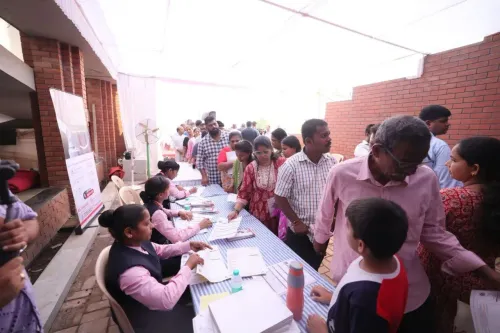
The practical detail that matters most for families is admission notifications — specifically which institutions fall under the reserved-seat scheme, how many seats are allocated, and what the domicile criteria are. Those details, typically released through state education department circulars and institutional prospectuses, will determine whether the political commitment translates into actual opportunity on the ground. Goa has the infrastructure ambition and the policy architecture. The question is execution — and the students waiting for those admission windows will be the real measure of #Mission2027.Point of View
Constituency-specific, and difficult to oppose. The domicile-reservation angle is smart politics in a small state where residents feel structural disadvantage against the national tide of applicants. What gives this more than electoral optics is the institutional ground already laid by IIT Goa in 2016; this is addition to a real foundation, not rhetoric from scratch. The test will be whether seat allocation data, when published, matches the scale of the political promise.
NationPress
27 Oct 2026
Frequently Asked Questions
What is Goa's plan for higher education expansion?
Goa is expanding specialised and higher education institutions within the state and reserving seats for domicile students, ensuring local youth can access quality education without leaving Goa.
What is Mission 2027 in Goa?
#Mission2027 is a governance framework used by Goa CM Pramod Sawant to frame development targets; specific programme details have not been officially published in full.
Does Goa have reserved seats for local students in colleges?
Yes, Goa uses domicile-based seat reservations in higher education institutions to protect access for local students against the larger national applicant pool.
When was IIT Goa established?
IIT Goa was established in 2016 as part of a national expansion of IITs, with provisions intended to benefit students from the state.
How does the National Education Policy 2020 affect Goa's education plans?
The National Education Policy 2020 provides the federal framework encouraging states to raise enrolment, build multi-disciplinary institutions, and improve regional equity — all goals aligned with Goa's current expansion push.