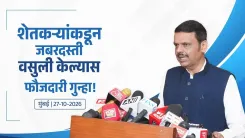
CM Fadnavis Chairs High-Level Meet on Kisan Sabha Demands
Synopsis
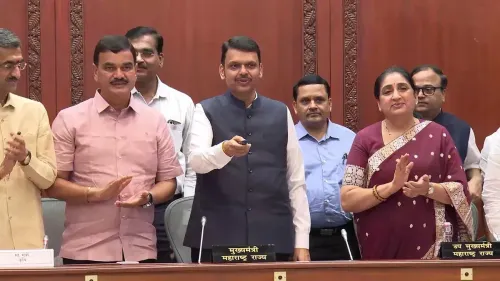
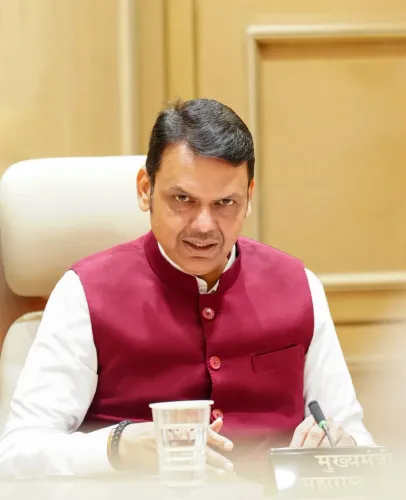
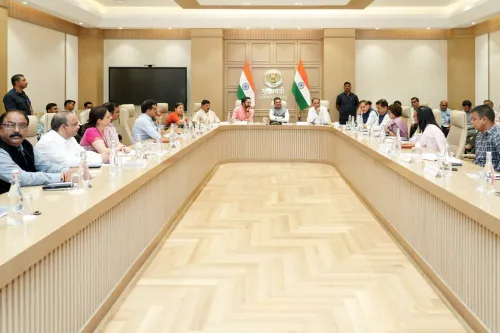
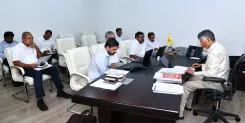
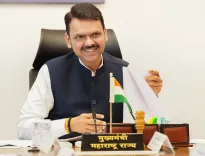
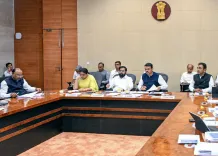
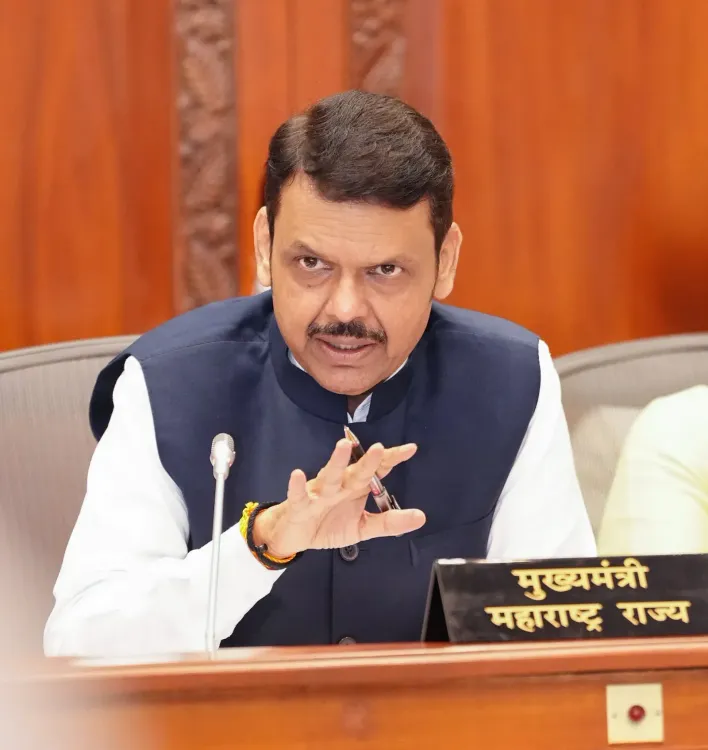
Chief Minister Devendra Fadnavis chaired a high-level meeting at Sahyadri Guest House, Mumbai, on 27 October 2026, with both Deputy CMs and four ministers present, to discuss demands submitted by the All India Kisan Sabha.
Key Takeaways
CM Devendra Fadnavis chaired the meeting at Sahyadri Guest House, Mumbai on 27 October 2026 at 5:15 PM .
Both Deputy Chief Ministers — Eknath Shinde and Sunetra Ajit Pawar — attended, along with four cabinet ministers.
The meeting was convened specifically to address demands of the All India Kisan Sabha (AIKS) , a national farmer body affiliated with CPI(M).
AIKS typically agitates on MSP guarantees, farm debt relief, irrigation access, and land rights .
Maharashtra's last major farm response to such consultations was the 2017 farm loan waiver .
Specific demands discussed and any decisions taken remain officially unconfirmed pending follow-up government communication.
Farmer grievances reached Maharashtra's highest decision-making table on Tuesday, 27 October 2026, when Chief Minister Devendra Fadnavis convened a meeting at Sahyadri Guest House, Mumbai, to engage with the demands of the All India Kisan Sabha — one of India's most prominent national farmer organisations.
Who was in the room — and why it matters
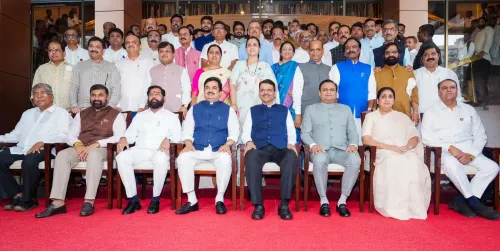
The meeting's weight was signalled by the roster assembled: both Deputy Chief Ministers Eknath Shinde and Sunetra Ajit Pawar were present, alongside Minister Radhakrishna Vikhe Patil, Minister Chandrashekhar Bawankule, Minister Girish Mahajan, and Minister Dattatray Bharane, joined by senior officials and other dignitaries. Convening the full weight of the ruling Mahayuti coalition — BJP, Shiv Sena (Shinde), and NCP (Ajit Pawar) — for a single farmer-body consultation is a deliberate show of political seriousness. It is not a routine departmental review; it is a political signal.
The All India Kisan Sabha and what it typically brings to the table
The All India Kisan Sabha (AIKS), affiliated with the CPI(M), has historically led agitations on minimum support price guarantees, farm debt relief, irrigation access, and land rights. Its demands carry institutional weight — and Maharashtra governments have responded before. The 2017 farm loan waiver, one of the state's largest agrarian relief exercises, followed sustained pressure from farmer organisations in similar high-level consultations. The AIKS's long track record means its representations are rarely dismissed as symbolic.
Maharashtra's pattern of agrarian engagement
Maharashtra is no stranger to farm-sector tension. The state government's practice of holding structured dialogues with recognised farmer unions — covering crop prices, credit access, and rural distress — reflects a hard lesson from recurring agitations that have periodically paralysed state highways and disrupted vegetable supplies to Mumbai. Vikhe Patil's presence is particularly notable given his association with agriculture and revenue portfolios over successive governments.
The specific demands discussed at Tuesday's meeting and any decisions reached have not been officially confirmed as of this report. What the government chooses to announce in the coming days — formal orders, relief packages, or a follow-up round of talks — will determine whether this consultation translates into concrete policy movement or remains a procedural engagement.
A room full of Maharashtra's top ministers and a farmers' body with a history of compelling state action: the next step belongs to Fadnavis.
Point of View
But Maharashtra's farm sector has historically forced governments across party lines into pragmatic dialogue. If concrete relief measures follow, Fadnavis can claim a governance dividend; if the meeting ends without deliverables, the opposition will frame it as managed theatre. The outcome of this consultation will test whether the Mahayuti coalition has absorbed the lessons of Maharashtra's periodic farm agitation cycles.
NationPress
27 Oct 2026
Frequently Asked Questions
What is the All India Kisan Sabha and what does it demand?
The All India Kisan Sabha (AIKS) is a national farmers' organisation affiliated with the CPI(M). It typically demands minimum support price guarantees, farm debt relief, improved irrigation access, and land rights for cultivators.
Why did CM Fadnavis meet the All India Kisan Sabha?
CM Devendra Fadnavis chaired a meeting on 27 October 2026 at Sahyadri Guest House, Mumbai, to discuss various demands submitted by the All India Kisan Sabha, accompanied by both Deputy CMs and four cabinet ministers.
Who attended the Kisan Sabha meeting in Mumbai?
The meeting included CM Devendra Fadnavis, Deputy CMs Eknath Shinde and Sunetra Ajit Pawar, and ministers Radhakrishna Vikhe Patil, Chandrashekhar Bawankule, Girish Mahajan, and Dattatray Bharane, along with senior officials.
Has Maharashtra government responded to Kisan Sabha demands before?
Yes. Maharashtra has held periodic consultations with farmer organisations; the 2017 farm loan waiver was one significant outcome of sustained pressure from farmer bodies in similar high-level engagements.
What will happen after the Kisan Sabha meeting with CM Fadnavis?
The specific demands discussed and any decisions remain officially unconfirmed. Any follow-up government orders, relief packages, or further rounds of talks will indicate whether the consultation leads to concrete policy action.