CM Fadnavis Approves Mumbai Metro Line 12A, 18.40 km Elevated Corridor
Synopsis
Maharashtra CM Devendra Fadnavis chaired the Cabinet Committee on Infrastructure on 27 October 2026 and approved Mumbai Metro Line 12A — an 18.40 km elevated corridor with 12 stations linking Manpada-Katai Naka to Taloja via Kalyan Phata, targeting completion in three and a half years.
Key Takeaways
Mumbai Metro Line 12A approved: an 18.40 km fully elevated corridor from Manpada-Katai Naka to Taloja via Kalyan Phata .
The corridor includes 12 proposed stations and an integrated flyover with a 6.93 km four-lane and an 8.69 km six-lane section.
Projected daily ridership of approximately 4.74 lakh passengers with an estimated 40–50% reduction in travel time versus road.
CM Fadnavis has set a three-and-a-half-year completion deadline for the project.
The line will improve connectivity between Kalyan-Dombivli residential areas and the Taloja industrial and logistics hub in Navi Mumbai.
Fadnavis also directed acceleration of all ongoing metro projects across Maharashtra for timely delivery.
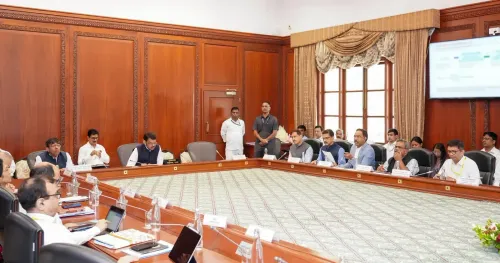
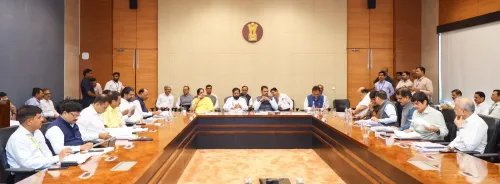
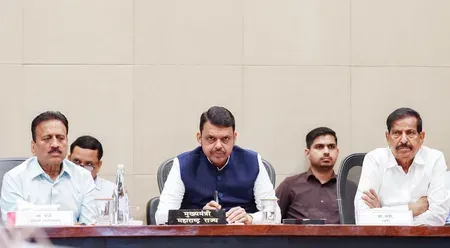
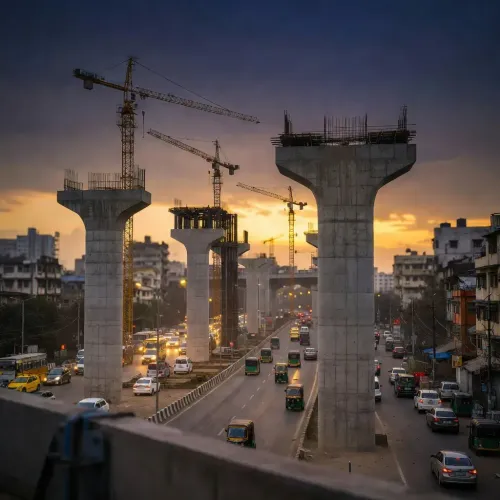
A single Cabinet decision on Tuesday, 27 October 2026 is set to redraw the commute map for hundreds of thousands of people across the Mumbai Metropolitan Region. Maharashtra Chief Minister Devendra Fadnavis chaired the Cabinet Committee on Infrastructure meeting at Mantralaya, Mumbai and secured approval for Mumbai Metro Line 12A — an 18.40 km fully elevated corridor that will finally stitch together Kalyan-Dombivli and Navi Mumbai by rail.
What Metro Line 12A Actually Builds
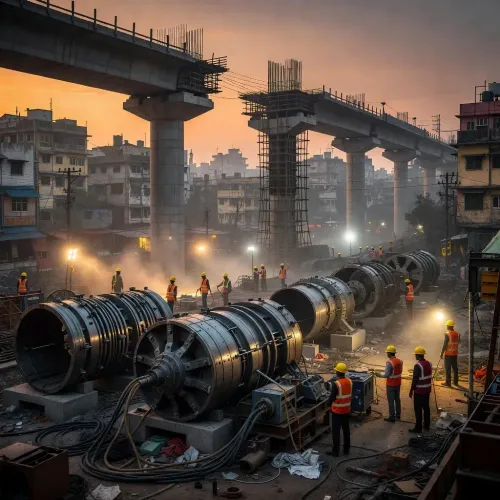
The corridor will run from Manpada-Katai Naka to Taloja via Kalyan Phata, threading through one of the Mumbai Metropolitan Region's most congested and industrially significant belts. 12 stations are proposed along the alignment. What makes this project structurally distinct is its integration with an elevated roadway: the corridor embeds a 6.93 km four-lane flyover section and an 8.69 km six-lane section — a combined road-rail spine rather than a standalone metro track.
The project is projected to serve approximately 4.74 lakh passengers daily once operational, with officials estimating a travel-time reduction of 40–50 per cent compared to current road journeys on the same route. Fadnavis directed that the project be delivered within three and a half years — a firm, publicly stated deadline that will be the first test of execution.
Taloja, Kalyan-Dombivli and the Industrial Connectivity Gap
Taloja, located in Navi Mumbai, is one of Maharashtra's significant industrial and logistics clusters — home to manufacturing units, warehousing facilities, and a dense workforce that currently relies almost entirely on road transport. The lack of a direct rail link to Kalyan-Dombivli, a twin-city residential hub with a combined population in the millions, has long been flagged as a drag on both labour mobility and freight efficiency. Metro Line 12A closes that gap directly.
For daily commuters, the arithmetic is blunt: a journey that crawls through congested state highways could be cut nearly in half. That is not just a convenience — it reshapes where workers can realistically live relative to where they work.
Fadnavis's Push to Accelerate All Maharashtra Metro Projects
The Line 12A approval was not the only directive to come out of Tuesday's meeting. Fadnavis specifically emphasised that all ongoing metro projects across Maharashtra must be accelerated to ensure timely completion — a signal that the state government is treating the broader metro network, not just individual corridors, as a political and governance priority heading into the next phase of the state's infrastructure push.
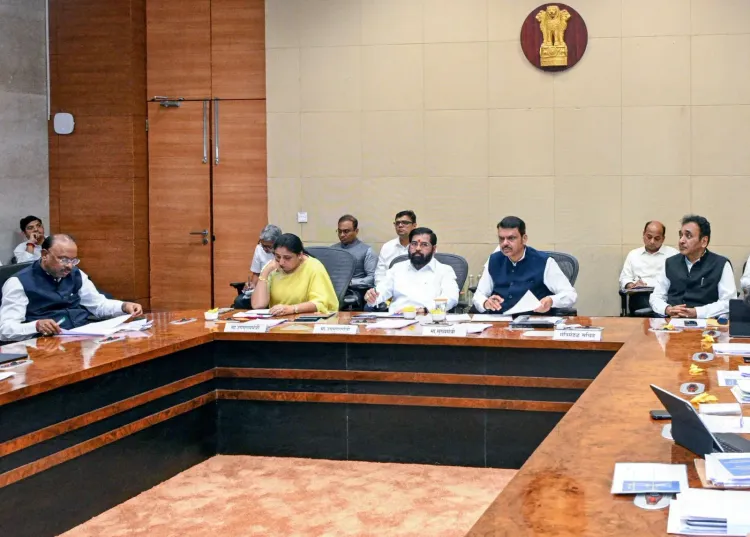
Deputy Chief Minister Eknath Shinde, Deputy Chief Minister Sunetra Pawar, and Minister Chandrashekhar Bawankule were present at the meeting alongside senior officials — a full-weight Cabinet presence that underlines the political significance attached to the approval.
Maharashtra has been expanding its metro network through the MMRDA master plan across multiple corridors since the early 2010s, with Mumbai Metro Line 1 — operational since 2014 — setting the template for elevated alignments in the region. Line 12A continues that model while adding the integrated flyover component as a force-multiplier for road traffic alongside.
The next pressure points are real: tendering, land acquisition, and coordination with MMRDA will determine whether the three-and-a-half-year clock holds. The CM has set the target publicly. The infrastructure machine now has to match it.
Point of View
Maximising the capital-expenditure footprint of a single alignment. The publicly stated three-and-a-half-year deadline is a political commitment as much as an engineering one — it hands opponents a measurable accountability yardstick. With DCM Shinde and the full Cabinet present at the announcement, the Mahayuti alliance is projecting unified ownership over one of the state's most high-profile infrastructure bets.
NationPress
27 Oct 2026
Frequently Asked Questions
What is Mumbai Metro Line 12A and where will it run?
Mumbai Metro Line 12A is an approved 18.40 km fully elevated metro corridor that will run from Manpada-Katai Naka to Taloja via Kalyan Phata in the Mumbai Metropolitan Region, with 12 proposed stations .
When will Mumbai Metro Line 12A be completed?
Chief Minister Devendra Fadnavis has directed that the project be completed within three and a half years of the approval granted on 27 October 2026 .
How many passengers will Mumbai Metro Line 12A carry daily?
The corridor is projected to cater to approximately 4.74 lakh passengers daily once operational, according to figures presented at the Cabinet Committee meeting.
How will Metro Line 12A reduce travel time?
Officials estimate that Metro Line 12A will reduce travel time by 40–50 per cent compared to the current road journey between Kalyan-Dombivli and the Taloja industrial hub in Navi Mumbai.
What is the flyover component of Mumbai Metro Line 12A?
The corridor integrates an elevated roadway comprising a 6.93 km four-lane section and an 8.69 km six-lane section , functioning as a combined road-rail infrastructure spine along the alignment.