CM Fadnavis: Criminal cases if MFIs coerce farmers
Synopsis
Maharashtra Chief Minister Devendra Fadnavis has declared that microfinance company officials who coerce farmers into repaying loans will face criminal prosecution, signalling a state-level crackdown that goes beyond existing RBI regulatory oversight.
Key Takeaways
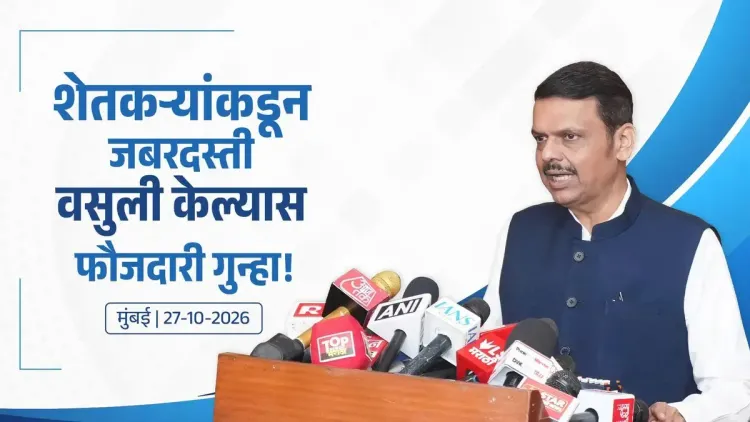
CM Devendra Fadnavis issued a public warning on 27 October 2026 from Mumbai targeting coercive microfinance recovery against farmers.
He stated that criminal cases will be registered against individual officials of microfinance companies found using pressure tactics.
The warning applies to NBFC-MFIs and similar entities operating in Maharashtra's rural and agricultural belts.
The RBI's Fair Practices Code for NBFC-MFIs was introduced in 2011 after the Andhra Pradesh microfinance crisis, but state criminal law adds a separate layer of liability.
Criminal liability targets individual officials — not just the corporate entity — making this a sharper deterrent than regulatory fines alone.
Follow-up government orders, police directives, and RBI coordination will determine whether the warning translates into active enforcement.
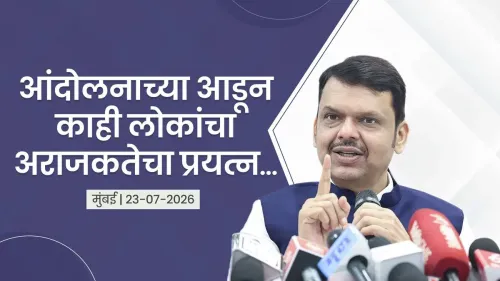
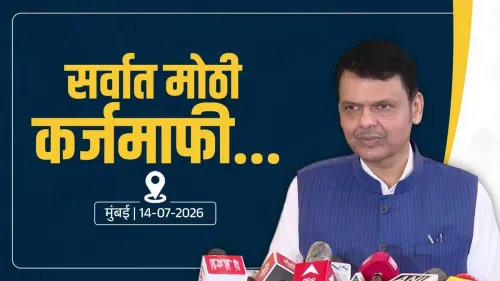
A blunt warning landed on Tuesday evening, 27 October 2026 — and it was aimed squarely at microfinance companies operating in Maharashtra's farm belts. Maharashtra Chief Minister Devendra Fadnavis announced that any microfinance institution caught using coercive recovery tactics against farmers will face criminal prosecution of its responsible officials — no caveats, no grace period.
In Marathi and Hindi, Fadnavis stated: 'मायक्रोफायनान्स कंपन्यांनी शेतकऱ्यांवर दबाव टाकून जबरदस्ती वसुली केल्यास संबंधित अधिकाऱ्यांवर फौजदारी गुन्हा दाखल करून कारवाई करण्यात येईल' — 'If microfinance companies exert pressure on farmers and forcibly recover money, a criminal case will be registered against the concerned officials and action will be taken.' The bilingual post, tagged from Mumbai, made the message unmistakable across the state's linguistic divide.
Why Maharashtra's farmers are in the crosshairs of MFI debt
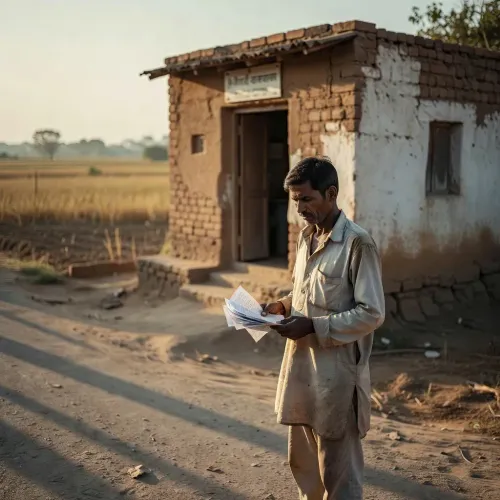
Microfinance institutions — primarily NBFC-MFIs — have deepened their reach into rural Maharashtra over the past decade, providing small-ticket credit to low-income borrowers including agricultural households who lack access to formal bank loans. The model carries a structural tension: high operational costs push lenders toward aggressive collection cycles, while seasonal farming income makes repayment uneven by nature.
Maharashtra has seen recurring distress linked to informal and formal lending in farming communities. The pattern is not new to India — the Andhra Pradesh microfinance crisis of 2010 forced the Reserve Bank of India to introduce a Fair Practices Code and a regulatory framework for NBFC-MFIs in 2011, specifically to outlaw coercive recovery. That central framework exists. What Fadnavis is signalling is that the state will now add criminal-law teeth at the ground level, beyond RBI's regulatory action.
Criminal prosecution as deterrent — what it means in practice
The significance here is in the instrument chosen: not a regulatory fine, not a licence warning to the company — but a criminal case against the individual official who applies pressure. That personalises liability in a way that corporate penalties do not. Field recovery agents, branch managers, and supervisors who authorise coercive methods would potentially face arrest and trial.
State governments have authority under provisions of the Indian Penal Code — including sections related to criminal intimidation and wrongful confinement — to act against individuals who use force or threats in debt recovery. Maharashtra's police machinery, if directed, can register FIRs independently of RBI's supervisory track. The two mechanisms can run in parallel, and that combination is what makes this warning consequential.
What farmers and lenders should watch next
The announcement sets a political floor. Whether it becomes operational enforcement depends on follow-up government orders, district-level directives to police, and coordination between the state and RBI's Maharashtra regional office. Farmer welfare groups and microfinance industry bodies will be watching for specific circulars or the first FIR that tests the declaration.
If Maharashtra moves from warning to prosecution, it could set a template that other states borrow — a state-level criminal overlay on top of central financial regulation, targeting the human chain of coercive lending rather than just the corporate entity.
The message from the Chief Minister's office is unambiguous: in Maharashtra, pressuring a farmer to repay through intimidation is no longer just a regulatory infraction. It is a criminal act. The burden of proof now shifts to the institutions to demonstrate restraint — or face individual accountability in court.
Point of View
The CM sidesteps lengthy regulatory proceedings and deploys the immediate deterrent of arrest — a message calibrated for maximum grassroots visibility ahead of any rural outreach. The move also positions Maharashtra as willing to supplement the RBI's supervisory framework with state police power, a model that could redefine centre-state dynamics in financial consumer protection. Whether this remains a deterrent or becomes a genuine enforcement campaign will test the durability of the political will behind it.
NationPress
27 Oct 2026
Frequently Asked Questions
What did CM Fadnavis say about microfinance companies and farmers?
CM Devendra Fadnavis announced on 27 October 2026 that if microfinance companies use coercive tactics to recover loans from farmers, criminal cases will be registered against the responsible officials of those companies.
Can microfinance company employees actually be arrested for coercive recovery in Maharashtra?
Yes. Under provisions of Indian criminal law relating to criminal intimidation and wrongful confinement, state police can register FIRs against individuals who use force or threats in loan recovery, independent of RBI regulatory action.
What is the RBI rule on microfinance recovery practices?
The Reserve Bank of India introduced a Fair Practices Code for NBFC-MFIs in 2011, following the Andhra Pradesh microfinance crisis, specifically to prohibit coercive recovery methods by microfinance institutions.
Why are Maharashtra farmers particularly vulnerable to microfinance pressure?
Farmers with seasonal income and limited access to formal bank credit often rely on NBFC-MFIs for small loans, making them susceptible to aggressive recovery cycles when repayment capacity fluctuates.
What should microfinance companies do to comply with Fadnavis's warning?
Microfinance companies operating in Maharashtra should ensure their field agents and officials strictly follow the RBI's Fair Practices Code and avoid any pressure-based or intimidation-driven recovery methods to avoid criminal liability.