CM Chandrababu Naidu Orders Rice at Rs 49-50/kg via Mobile Vans
Synopsis
Chief Minister Chandrababu Naidu has ordered Dharani brand rice sold at Rs 49-50 per kg through mobile vehicles and new municipal outlets, while officials hold talks with millers to control open-market prices in Andhra Pradesh.
Key Takeaways
Dharani Fine rice to be sold at Rs 49/kg and Super Fine at Rs 50/kg under CM Naidu's directive.
Distribution to expand from Rythu Bazaars to municipalities and mandal headquarters across Andhra Pradesh.
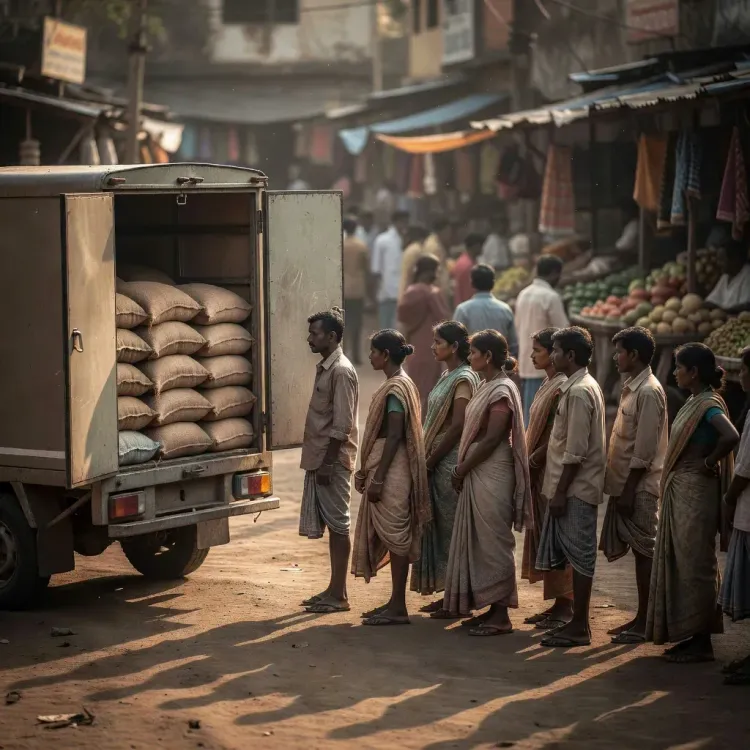
Mobile vehicles will carry Dharani rice directly to consumers, addressing last-mile access.
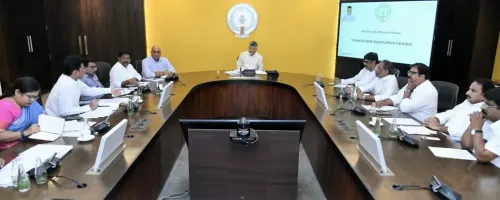
Chief Secretary Sai Prasad and Civil Supplies Secretary Kannababu participated in the review meeting on 27 October 2026 .
Officials are in discussions with rice millers and wholesale associations to moderate open-market prices alongside the subsidised channel.
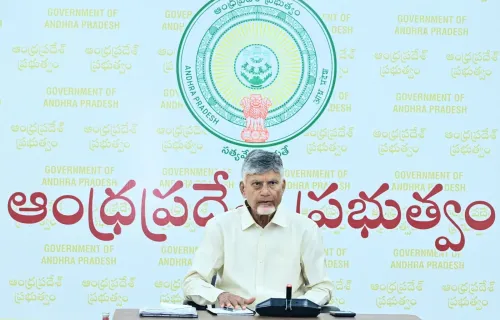
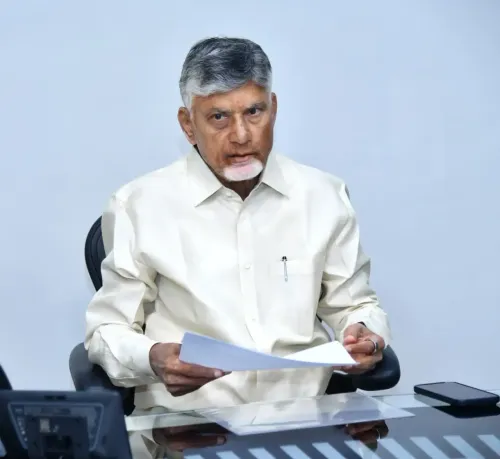
Rice on wheels, at a price that actually fits a household budget — that is the directive Chief Minister Nara Chandrababu Naidu issued on Tuesday, 27 October 2026, as Andhra Pradesh moved to rein in the cost of essential commodities pressing down on ordinary families.
Dharani Rice Beyond the Farmers' Market
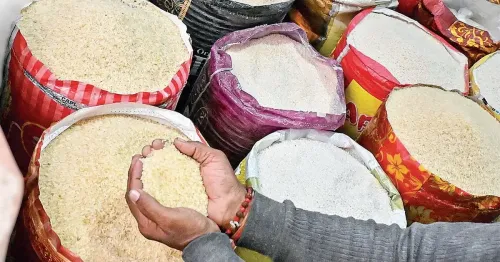
The centrepiece of the review is the government's own Dharani brand of subsidised rice. Until now, its super fine variety was largely confined to Rythu Bazaars — the state's network of farmers' markets. The Chief Minister has ordered that distribution be extended to municipalities and mandal headquarters, dramatically widening the footprint. More pointedly, he has directed that Dharani rice be taken directly to consumers via mobile vehicles, removing the need for buyers to travel to a fixed outlet.
The price peg is blunt and specific: Fine rice at Rs 49 per kg, Super Fine rice at Rs 50 per kg. In a state where open-market rates for quality rice routinely run higher, that gap is the entire point.
The Open-Market Flank: Millers and Wholesalers Enter the Frame
Government-channel prices alone cannot anchor a market. Officials at the review acknowledged they are in active discussions with rice millers and wholesale association representatives to keep open-market prices from drifting upward. The two-track approach — subsidised government supply plus negotiated private-sector discipline — is a standard playbook for state food interventions, but the combination of mobile outreach and miller talks signals that the administration is treating this as more than a routine review.
The meeting was attended by State Chief Secretary Sai Prasad and Civil Supplies Secretary Kannababu, alongside senior officials from multiple departments, lending the exercise inter-departmental weight.
Why This Review, Why Now
Andhra Pradesh's food-price management operates in parallel with the central public distribution system, and state governments across India have historically stepped in when PDS coverage leaves gaps in quality or accessibility. The Dharani brand was designed precisely as that bridge — a government-backed product priced to compete with, and constrain, the private market. Extending it to mobile vans and mandal centres addresses what has long been a last-mile problem: quality subsidised grain exists, but reaching the buyer who needs it most has always required more than a fixed outlet.
The outcome of the miller negotiations — and whether a voluntary or regulatory price ceiling emerges — will determine how far this initiative bends the market rather than simply paralleling it.
Point of View
Accessible subsidised supply can anchor consumer expectations and discipline private-market pricing — a model that bypasses slower central PDS reforms. By deploying mobile distribution, the Naidu administration is addressing a structural gap: proximity to the subsidy determines whether it is actually used. The simultaneous engagement of millers and wholesalers is the more politically consequential variable; if those talks yield voluntary price commitments, the state earns an informal price ceiling without invoking formal controls. Whether this signals a sustained food-price management architecture or a one-cycle intervention ahead of local elections is the question analysts will watch closely.
NationPress
28 Oct 2026
Frequently Asked Questions
What is Dharani rice in Andhra Pradesh?
Dharani is a government-branded subsidised rice sold through state channels in Andhra Pradesh, designed to provide quality grain at below-market prices to ordinary consumers.
What is the new price of Dharani rice ordered by CM Chandrababu Naidu?
CM Naidu directed that Fine variety Dharani rice be sold at Rs 49 per kg and Super Fine variety at Rs 50 per kg .
Where will Dharani rice be available after the new order?
Beyond the existing Rythu Bazaars, Dharani rice will now be distributed at municipalities and mandal headquarters and through mobile vehicles that bring supply directly to neighbourhoods.
Who attended the essential commodities review meeting in Andhra Pradesh?
The review was chaired by Chief Minister Chandrababu Naidu and attended by Chief Secretary Sai Prasad , Civil Supplies Secretary Kannababu , and senior officials from multiple departments.
How is Andhra Pradesh controlling open-market rice prices?
State officials are holding discussions with rice millers and wholesale association representatives to encourage moderation of open-market prices, running parallel to the subsidised Dharani distribution channel.