Mamata Banerjee Slams BJP on Free Speech, Backs Digital Creators
Synopsis
West Bengal CM Mamata Banerjee accused the BJP government of trampling Articles 14, 19 and 21, extended Trinamool's support to students, vloggers and independent digital platforms, and linked online censorship to neglect of the northeastern states in a sharp constitutional broadside posted on October 27, 2026.
Key Takeaways
Mamata Banerjee declared on 27 October 2026 that freedom of speech is being taken from 'lakhs of citizens' across India.
She accused the BJP government of violating Article 14, Article 19 and Article 21 of the Constitution.
Trinamool Congress formally extended support to students, YouTubers, vloggers and independent digital platforms facing restrictions.
The post called the censorship trend 'dangerous' and demanded citizens' right to free expression be restored immediately.
Banerjee also demanded the Centre focus on safety and security in the North East , linking regional neglect to the broader governance critique.
The broadside signals Trinamool will press the free-speech battle into the winter parliamentary session and any upcoming Supreme Court proceedings on IT Rules.
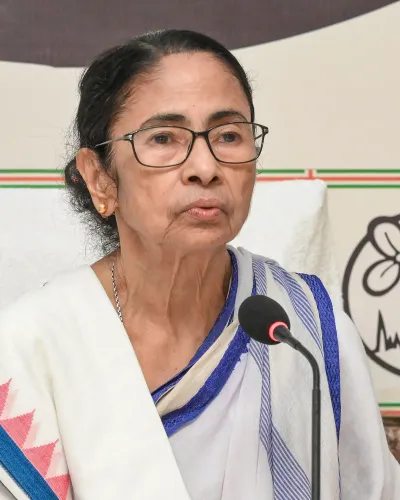
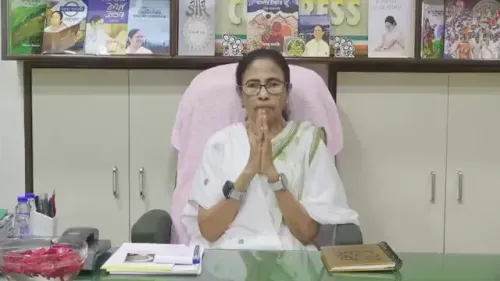
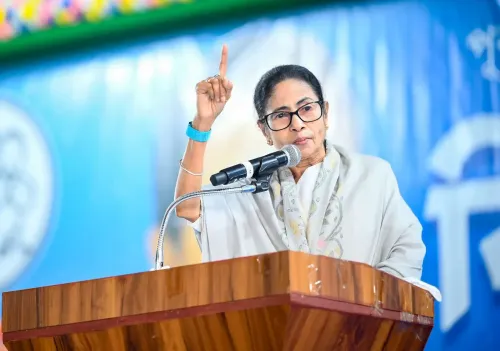
Constitutional rights are under assault — that is the charge West Bengal Chief Minister Mamata Banerjee levelled at the central government on Tuesday, October 27, 2026, declaring that the freedom of speech and expression is being stripped from 'lakhs of citizens across the country' and throwing Trinamool Congress's weight behind students, YouTubers, vloggers, and independent digital platforms.
The Constitutional Indictment Against the Centre
Banerjee's broadside was direct and anchored in the Constitution's foundational guarantees. She accused the BJP government of disregarding Article 14 (equality before law), Article 19 (freedom of speech and expression), and Article 21 (right to life and personal liberty) — three pillars that courts have historically treated as the irreducible core of Indian democracy. The attack was framed not merely as a political complaint but as a constitutional crisis affecting 'all citizens, including elected representatives.'
The explicit inclusion of elected representatives signals that Trinamool sees this not only as a civil-liberties issue but as an assault on political opposition itself — a framing that has become a recurring motif in opposition discourse as digital enforcement actions have multiplied.
Who Banerjee Is Standing With: Students, Vloggers, Digital Platforms
The roll-call in Banerjee's post — students, youth, social media users, vloggers, YouTubers, and independent digital platforms — maps almost precisely onto the constituencies most directly affected by the Information Technology (Intermediary Guidelines and Digital Media Ethics Code) Rules notified in 2021. Those rules expanded government oversight over online content, required large platforms to appoint compliance officers, and introduced a grievance-redressal framework that critics argued gave authorities sweeping leverage over what could be published.
Challenges to those rules have wound through courts for years. The CM's post effectively puts Trinamool on the side of the challengers, signalling that free-speech enforcement will remain a live political battleground into the winter parliamentary session.
The North East Pivot: Censorship Linked to a Governance Deficit
Banerjee did not stop at digital liberties. Her closing demand — that the government 'focus on taking care of the North East along with ensuring the safety and security of all people across the country' — wove two separate opposition grievances into one indictment. The eight northeastern states have long been invoked by opposition leaders as evidence that the Centre's security-heavy posture crowds out development and rights-based governance in peripheral regions.
The juxtaposition is deliberate: a government that suppresses speech online, the argument runs, is the same government that neglects the security and welfare of citizens furthest from Delhi's attention. It is a spatial and moral argument in a single breath.
Where This Fits in Trinamool's Opposition Strategy
This is not an isolated outburst. Trinamool Congress has consistently framed central digital regulations and enforcement as twin threats to federal balance and civil liberties, and Banerjee has made the defence of constitutional rights central to her national positioning ahead of future electoral cycles. Calling the censorship trend 'dangerous' and pledging 'full strength' to those fighting it raises the political temperature and invites a response — from the BJP, from the Supreme Court bench currently weighing IT Rules challenges, and from the digital creator community that has emerged as a genuine electoral constituency.
The next test is the winter session of Parliament, where any proposed amendments to digital media law will face this sharpened opposition framing head-on.
Point of View
19 and 21 rather than in partisan grievance, she forces the BJP to defend its digital enforcement record on legal, not merely political, terrain. The explicit solidarity with YouTubers and vloggers is a tactical reach toward a digitally active demographic that cuts across traditional party affiliations. Linking censorship to northeastern neglect is the shrewdest move of all — it fuses a civil-liberties narrative with a regional-governance critique, broadening the coalition of disaffection the opposition needs to sustain pressure ahead of any future electoral test. The timing, ahead of a likely winter session debate on digital media law, ensures this salvo does not dissipate quickly.
NationPress
28 Oct 2026
Frequently Asked Questions
What did Mamata Banerjee say about free speech on October 27 2026?
She declared that the BJP government is stripping the freedom of speech and expression from lakhs of citizens, accusing it of violating Articles 14, 19 and 21 of the Constitution and pledging Trinamool's support to students, vloggers, YouTubers and independent digital platforms.
Which constitutional articles did Mamata Banerjee cite in her free speech post?
Banerjee specifically cited Article 14 (equality before law), Article 19 (freedom of speech and expression) and Article 21 (right to life and personal liberty) in her October 2026 post.
Why did Mamata Banerjee mention the North East in a free speech post?
She linked online censorship to a broader governance failure, arguing that instead of 'indulging in atrocities against citizens on social media' the government should focus on security and development in India's northeastern states — framing both as symptoms of the same neglect.
What are India's IT Rules 2021 and why are they controversial?
The Information Technology (Intermediary Guidelines and Digital Media Ethics Code) Rules 2021 expanded government oversight of online content and required platforms to comply with takedown orders and appoint government-accessible grievance officers. Critics argue the rules give authorities disproportionate leverage over digital expression.
What is Trinamool Congress's position on digital media regulation?
Trinamool Congress, led by Mamata Banerjee, has consistently opposed the central government's digital media oversight framework, framing it as an erosion of constitutional rights and federal balance, and has formally backed social media users and independent digital creators.