CM Sawant Pushes Advanced Healthcare to South Goa
Synopsis
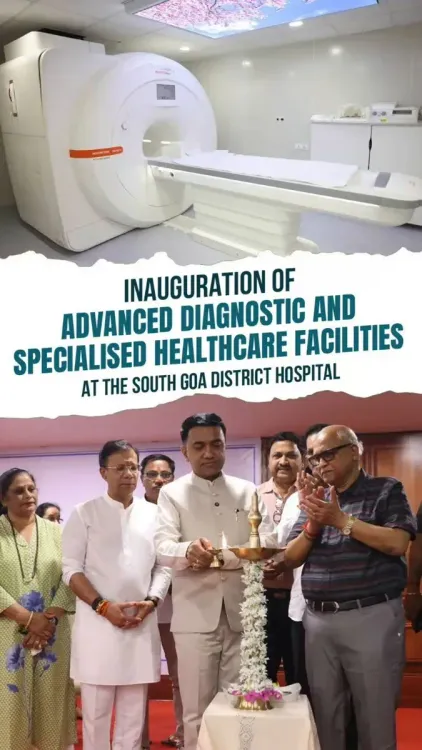
Goa Chief Minister Pramod Sawant has announced an upgrade of South Goa's healthcare infrastructure, promising advanced diagnostics and specialised medical facilities to bring quality care closer to residents and cut dependence on out-of-district referrals.
Key Takeaways
Goa CM Pramod Sawant announced on 16 October 2026 that South Goa's healthcare infrastructure is being strengthened with advanced diagnostic and specialised facilities.
The initiative aims to reduce long-distance patient referrals by building secondary care capacity at the district level.
South Goa is Goa's larger district by area, with residents historically relying on North Goa or out-of-state facilities for specialist care.
Goa has participated in the National Health Mission since 2005 , which targets district-level diagnostic and treatment upgrades.
The National Health Policy 2017 emphasises strengthening secondary care infrastructure — the framework underpinning this push.
Specific facilities, funding figures, and timelines have not yet been disclosed; the next Goa Legislative Assembly session budget will be a key indicator.
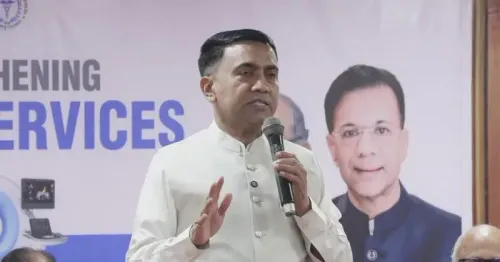
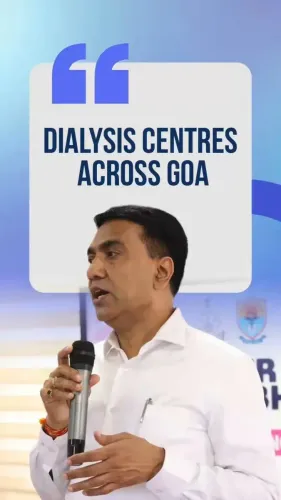
A quiet but consequential shift is under way in South Goa: the state government is moving specialised medical care closer to residents rather than making them travel north for diagnosis and treatment. Goa Chief Minister Pramod Sawant announced the push on Friday, 16 October 2026, signalling a deliberate effort to close the healthcare gap between the state's two districts.
Sawant stated that the government is 'strengthening South Goa's healthcare infrastructure with advanced diagnostic and specialised medical facilities, bringing quality healthcare closer to the people.' The framing is notable — not a ribbon-cutting, but a commitment to the full pipeline: diagnostics, specialist care, and accessibility.
Why South Goa Has Long Needed This Push
South Goa is the state's larger district by area and holds a significant share of Goa's population, spread across towns, villages, and an expansive tourism belt. Yet for years, patients requiring advanced diagnosis or specialist consultations have faced the familiar Indian predicament — long referral chains pointing toward better-equipped facilities in the north or outside the state entirely.
This pattern is not unique to Goa. Across India, district-level hospitals have historically lagged behind state-capital facilities in equipment and specialist staffing, pushing patients — and costs — upward. The National Health Policy 2017 explicitly flagged strengthening secondary care infrastructure as a priority response to this gap. Goa has been a participant in the National Health Mission since 2005, which targets precisely this kind of district-level diagnostic and treatment upgrade.
Secondary Care as the Real Battleground
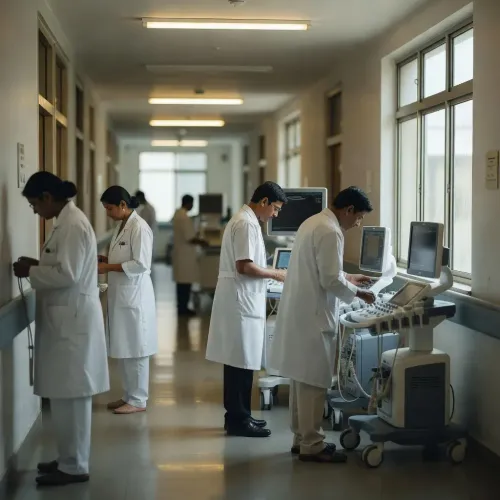
The logic of the announcement sits squarely within a broader national trend: equip district hospitals well enough that they become genuine endpoints, not just way-stations. Advanced diagnostics — imaging, pathology, cardiac monitoring — paired with on-site specialists can sharply reduce the number of patients who must travel hours for care that should be available locally.
For South Goa's residents, the practical stakes are high. Delayed diagnosis and the financial burden of out-of-district referrals are not abstract policy problems — they play out in emergency rooms and household budgets. A strengthened South Goa District Hospital would change that calculus directly.
The details — which facilities, what equipment, which specialities, and on what timeline — have not been specified in the announcement. Watching whether budget allocations in the next Goa Legislative Assembly session back the commitment with hard numbers will be the real test of intent.
Goa is a small state, which means political visibility for health outcomes is unusually direct. If wards stay understaffed or machines sit idle, the Chief Minister hears about it fast. That accountability cuts both ways — and it makes this announcement one worth tracking to its conclusion.
Point of View
And a gap between announcement and functioning equipment would be a liability. Nationally, the push aligns with the Centre's secondary-care strengthening agenda under the National Health Mission, giving Sawant both political cover and funding pathways. The absence of hard numbers, however, means this sits closer to intent than policy until the assembly budget session gives it fiscal form.
NationPress
16 Oct 2026
Frequently Asked Questions
What has Goa CM Pramod Sawant announced for South Goa healthcare?
CM Pramod Sawant announced that the Goa government is strengthening South Goa's healthcare infrastructure with advanced diagnostic and specialised medical facilities to bring quality care closer to residents.
Which hospital in South Goa will benefit from the upgrade?
The announcement points toward improving district-level facilities in South Goa, with the South Goa District Hospital being the primary secondary-care centre in the district, though specific facility names were not mentioned in the post.
What is the National Health Mission and how does it relate to Goa?
The National Health Mission is a central government programme launched in 2005 to upgrade district-level diagnostic and treatment capacity across India. Goa has participated since inception, using its framework to fund and plan healthcare improvements in both districts.
Why do South Goa patients currently travel out of the district for treatment?
South Goa has historically lacked sufficient advanced diagnostic equipment and on-site specialists, forcing patients with complex conditions to travel to North Goa or out-of-state facilities — a pattern the new infrastructure push aims to reverse.
When will the new South Goa healthcare facilities be operational?
Specific timelines and funding figures have not been disclosed in the announcement. Progress will become clearer once equipment installation begins and health budget allocations are tabled in the Goa Legislative Assembly.