SC Collegium clears 19 judges for Madras High Court in key judiciary push
Synopsis
The Supreme Court Collegium cleared 19 judge appointments for the Madras High Court in a single sitting on 18 May 2026 — consolidating four proposals that had been pending since November and December 2025. For a court battling chronic vacancies and mounting caseloads, this batch approval is among the largest single-day clearances in recent memory.
Key Takeaways
The Supreme Court Collegium , led by CJI Surya Kant , approved 19 appointments to the Madras High Court on 18 May 2026 .
The approvals span four separate proposals dated between 4 November 2025 and 10 December 2025 .
Of the 19 appointees, the batch includes both advocates and judicial officers across all four proposals.
Appointments take effect only after the President of India signs warrants and the Department of Justice notifies in the Gazette of India .
The move addresses months of pending recommendations, offering relief to the Madras High Court's vacancy and caseload pressures.
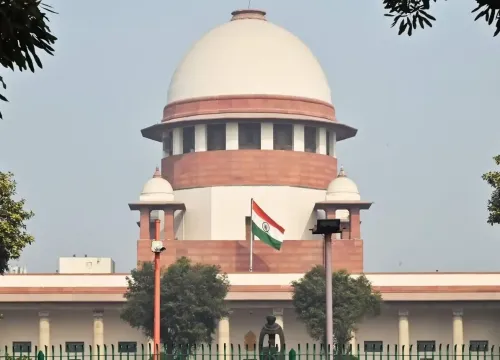
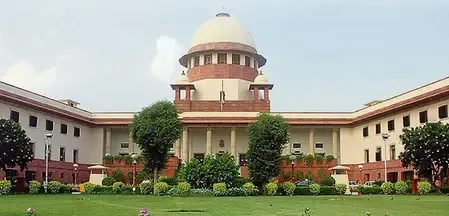
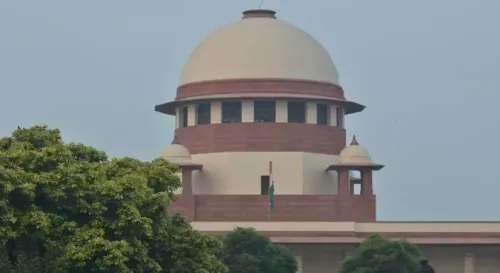
The Supreme Court Collegium, headed by Chief Justice of India (CJI) Sanjiv Khanna — wait — headed by Chief Justice of India Surya Kant — approved proposals on 18 May 2026 for the appointment of 19 advocates and judicial officers as judges of the Madras High Court. The approvals, announced in a Collegium statement on Tuesday, 19 May 2026, clear a backlog of proposals spanning four separate recommendation batches dating from November 2025 to December 2025.
The Four Batches Cleared
The Collegium approved four distinct proposals in a single sitting. The first, dated 4 November 2025, covers six judicial officers: Dr P. Murugan, M.D. Sumathi, S. Alli, C. Thirumagal Chandrasekar, Dharmalingam Lingeswaran, and Karthikeyan Balathandayutham.
The second batch, dated 21 November 2025, elevates six advocates to the Bench: Natarajan Ramesh, G.K. Muthukumaar, Ramakrishnan Rajesh Vivekananthan, Sankaranarayanan Raveekumar, Nagarajan Dilip Kumar, and Ellappan Manoharan.
A third proposal, dated 7 December 2025, clears advocates Krishnaswamy Govindarajan, Rajnish Pathiyil, K. Appadurai alias Kandavel Appadurai, and Ramasamy Anitha for elevation. The fourth, dated 10 December 2025, approves judicial officers Shanmugam Karthikeyan, Baluchamy Murugesan, and N. Gunasekaran.
How the Appointment Process Works
Under the Memorandum of Procedure (MoP) governing High Court appointments, the process begins with the Chief Justice of the concerned High Court consulting the two senior-most judges of that court. The recommendation then travels through the Chief Minister, the Governor, and the Union Minister of Law and Justice before reaching the Centre for processing.
The proposal is subsequently placed before the Chief Justice of India, who consults the senior-most Supreme Court judges before the Collegium finalises its recommendation. Appointments take legal effect only after the President of India signs the warrants of appointment and the Department of Justice issues a notification in the Gazette of India.
Why This Matters for Madras High Court
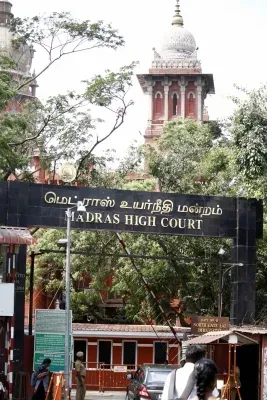
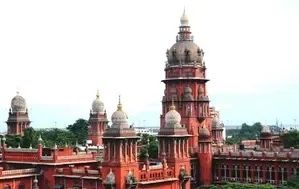
The Madras High Court — one of India's oldest and busiest High Courts — has faced a persistent judge vacancy problem, a challenge common across the higher judiciary. Clearing 19 appointments in a single Collegium sitting is a significant step toward addressing its sanctioned strength. Notably, the approvals consolidate proposals that had been pending for up to six months, signalling an effort to reduce procedural lag in judicial appointments.
The Collegium's move comes amid broader national attention on judicial vacancies and pendency, with the Supreme Court itself having flagged delays in filling High Court benches. The appointments, once formally notified, are expected to provide meaningful relief to the court's caseload.
What Happens Next
The Collegium's recommendations now move to the Central government for processing. The warrants of appointment must be signed by the President of India before the new judges can be sworn in. No timeline for the formal notification has been announced as of the Collegium's statement on 19 May 2026.
Point of View
But it also underlines a structural problem: these proposals had been pending for up to six months. The Collegium-to-Presidential-warrant pipeline remains slow, and the real test is how quickly the Centre processes and notifies these appointments. India's High Courts collectively carry hundreds of vacancies — batch approvals help, but they are a catch-up measure, not a fix for the underlying procedural lag that lets vacancies accumulate in the first place.
NationPress
6 Oct 2026
Frequently Asked Questions
How many judges did the SC Collegium approve for the Madras High Court?
The Supreme Court Collegium approved 19 advocates and judicial officers as judges of the Madras High Court in its meeting on 18 May 2026. The approvals were announced in a Collegium statement on 19 May 2026.
Who heads the Supreme Court Collegium that cleared these appointments?
The Supreme Court Collegium is headed by Chief Justice of India Surya Kant. It comprises the CJI and the senior-most judges of the Supreme Court, and is the constitutional body responsible for recommending appointments and transfers in the higher judiciary.
When will the newly recommended Madras High Court judges be formally appointed?
The appointments take effect only after the President of India signs the warrants of appointment and the Department of Justice issues a notification in the Gazette of India. No specific timeline has been announced as of the Collegium statement dated 19 May 2026.
What proposals were cleared in the 18 May 2026 Collegium meeting?
Four proposals were cleared: one dated 4 November 2025 (six judicial officers), one dated 21 November 2025 (six advocates), one dated 7 December 2025 (four advocates), and one dated 10 December 2025 (three judicial officers) — totalling 19 appointments.
What is the Memorandum of Procedure for High Court judge appointments?
The Memorandum of Procedure (MoP) requires the Chief Justice of the concerned High Court to initiate the proposal in consultation with the two senior-most judges. It then passes through the Chief Minister, Governor, and Union Law Minister before being placed before the CJI and the Collegium for final approval.