SC refuses to stay CBI FIR against Punjab CM Mann's OSD Rajvir Ghuman
Synopsis
The Supreme Court refused to stay the CBI FIR against Punjab CM Bhagwant Mann's OSD Rajvir Ghuman — a significant setback for the AAP government in Chandigarh. With CBI searches already conducted at eight locations including the CM's camp office, and the apex court insisting the state cooperate, the probe into alleged interference in transfers, postings, and tenders now moves forward with full judicial backing.
Key Takeaways
The Supreme Court on 12 October 2026 refused to stay the CBI FIR against Punjab CM Bhagwant Mann's OSD Rajvir Ghuman and others.
A bench of Justices M.M.
Sundresh and Prasanna B.
Varale issued notice on Punjab's plea and directed no coercive action in the interim.
The apex court observed the Punjab government must cooperate with the CBI investigation.
The CBI has already searched eight locations in Chandigarh and Punjab , including the CM's camp office , following the Punjab and Haryana High Court's 5 October order.
The ED had alleged Ghuman and associates Nitin Gohal and Bir Devinder interfered in administrative transfers, postings, and government tenders.
Justice Sheel Nagu recused himself on 9 October , prompting reconstitution of the bench by CJI Surya Kant .
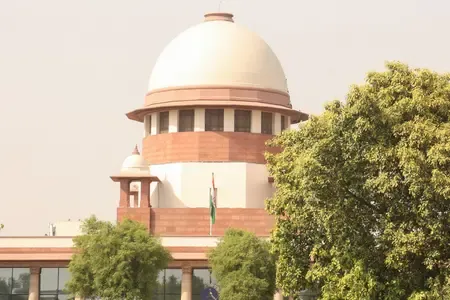
The Supreme Court on Monday, 12 October 2026, declined to stay the Central Bureau of Investigation (CBI) FIR registered over corruption allegations against Rajvir Ghuman, the Officer on Special Duty (OSD) to Punjab Chief Minister Bhagwant Mann, and others, while directing that no coercive steps be taken against those named in the case. A bench of Justices M.M. Sundresh and Prasanna B. Varale issued notice on the Punjab government's plea challenging the Punjab and Haryana High Court's order that had directed the CBI to register a case and investigate the allegations.
What the Supreme Court Said
While declining to stay the FIR, the apex court observed that the Punjab government must cooperate with the investigation being conducted by the central agency. The bench's direction that no coercive action be taken in the interim offers the accused some procedural protection, even as the probe proceeds.
Background: How the Case Reached the Top Court
The Punjab government has challenged the High Court's 5 October order directing the CBI to take over an investigation into corruption allegations stemming from three letters written by the Enforcement Directorate (ED) to Punjab Director General of Police (DGP) Gaurav Yadav. The ED had alleged that Ghuman, along with associates Nitin Gohal and Bir Devinder, were allegedly interfering in administrative transfers, postings, and government tenders, and had called for the registration of an FIR.
After the Punjab Police did not act on the ED's communications, advocate Nikhil Saraf approached the Punjab and Haryana High Court through a Public Interest Litigation (PIL), seeking an independent CBI probe. The petition alleged that the letters contained serious allegations concerning individuals linked to the Punjab Chief Minister's Office and sought an investigation free from the influence of state police and Punjab Vigilance.
CBI Searches and Summons
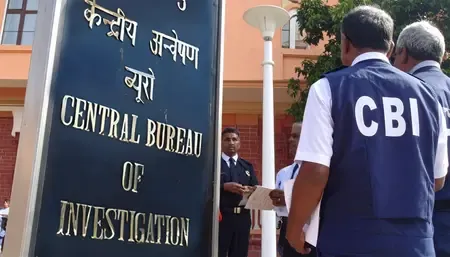
The CBI, acting pursuant to the High Court's directions, has already registered an FIR and initiated a full investigation. The central agency conducted searches at eight locations across Chandigarh and Punjab, including the Chief Minister's camp office in Chandigarh and premises linked to Ghuman in Sangrur and Mohali. Ghuman and his associates were subsequently summoned to appear before the CBI's Chandigarh office in connection with the probe.
Bench Change and Procedural History
The matter was earlier listed before a bench of Justices Dipankar Datta and Sheel Nagu. On 9 October, Justice Nagu recused himself from hearing the Punjab government's plea, following which the matter was placed before Chief Justice of India Surya Kant for the constitution of a fresh bench — now assigned to Justices Sundresh and Varale. The High Court had directed the CBI to submit a status report within two months and asked the Punjab government and police to extend full cooperation to the central agency.
What Happens Next
With the Supreme Court declining to stay the FIR and reaffirming the state's obligation to cooperate, the CBI investigation is expected to proceed unimpeded. The case raises broader questions about the autonomy of state law enforcement when allegations reach the highest levels of an elected government's office.
Point of View
Which has already reached the CM's camp office, rolls on without judicial pause. What makes this case structurally consequential is the chain of events: state police ignored ED letters, a PIL forced the High Court's hand, and the High Court then handed the probe to the CBI, bypassing the very police that answers to the accused's political boss. The pattern — central agencies alleging interference in transfers and tenders at the highest levels of a state government — echoes cases in other Opposition-ruled states, feeding a long-running debate about whether the CBI and ED are tools of accountability or instruments of political competition. The court's insistence on state cooperation, rather than a stay, suggests the bench is not disposed to shield the government from scrutiny at this stage.
NationPress
12 Oct 2026
Frequently Asked Questions
What did the Supreme Court decide in the Punjab CBI case on 12 October 2026?
The Supreme Court declined to stay the CBI FIR registered against Punjab CM Bhagwant Mann's OSD Rajvir Ghuman and others, while directing that no coercive action be taken against the accused. The bench also issued notice on the Punjab government's plea challenging the Punjab and Haryana High Court's order directing the CBI probe.
What are the corruption allegations against Rajvir Ghuman?
The Enforcement Directorate alleged that Ghuman, along with associates Nitin Gohal and Bir Devinder, interfered in administrative transfers, postings, and government tenders. The ED had written to Punjab's DGP seeking an FIR, but Punjab Police did not act, prompting a PIL in the Punjab and Haryana High Court.
Why did the CBI register an FIR and conduct searches?
The Punjab and Haryana High Court on 5 October directed the CBI to register a case and investigate the allegations after Punjab Police failed to act on the ED's communications. The CBI subsequently searched eight locations in Chandigarh and Punjab, including the Chief Minister's camp office and premises linked to Ghuman in Sangrur and Mohali.
Why did Justice Sheel Nagu recuse himself from the case?
Justice Sheel Nagu recused himself from hearing the Punjab government's plea on 9 October, though the reason for the recusal was not publicly stated. Chief Justice of India Surya Kant then constituted a fresh bench of Justices M.M. Sundresh and Prasanna B. Varale.
What happens next in the CBI investigation into the Punjab OSD case?
With the Supreme Court refusing to stay the FIR and directing the Punjab government to cooperate, the CBI investigation will proceed without interruption. The CBI has already summoned Ghuman and his associates to its Chandigarh office, and was directed by the High Court to submit a status report within two months.