KP emergency 'undemocratic': Pakistan lawyers, PTI condemn governor's rule
Synopsis
Pakistan's federal government imposed emergency and governor's rule across 12 districts of Khyber Pakhtunkhwa — and the backlash was immediate. Both major bar associations declared a 'black day', lawyers called a work strike, and PTI chairman Gohar Ali Khan publicly demanded a reversal, warning that suppressing a province's constitutional mandate will damage the federation, not protect it.
Key Takeaways
Pakistan President Asif Ali Zardari approved emergency and governor's rule in 12 districts of Khyber Pakhtunkhwa on Sunday, 12 October 2026 .
Affected districts include Bannu, Bajaur, Mohmand, Khyber, Kurram, Orakzai, Dera Ismail Khan, Tank, Lakki Marwat, North Waziristan, and South Waziristan .
The Sindh High Court Bar Association and Karachi Bar Association declared the move 'undemocratic' and announced a 'black day' observance.
KBA lawyers refused official work on Monday and called a general body meeting to deliberate on the emergency.
PTI chairman Gohar Ali Khan called the imposition a 'political mistake' and demanded a reversal, warning of serious political and economic damage.
The federal government also approved deployment of Pakistan Army personnel and assets in aid of civil power across KP .
The Sindh High Court Bar Association (SHCBA) and the Karachi Bar Association (KBA) have sharply criticised the Pakistani federal government's decision to impose emergency and governor's rule across 12 districts of Khyber Pakhtunkhwa (KP), calling the move 'undemocratic' and announcing that the legal fraternity will observe a 'black day' in solidarity with the province's residents. The criticism follows Pakistan President Asif Ali Zardari's approval of emergency proclamation recommendations presented by the cabinet on Sunday, 12 October 2026.
What the Emergency Covers
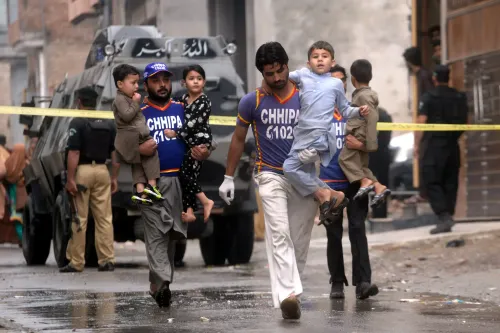
The emergency proclamation covers 12 districts of Khyber Pakhtunkhwa: Bannu, Bajaur, Mohmand, Khyber, Kurram, Orakzai, Dera Ismail Khan, Tank, Lakki Marwat, North Waziristan, and South Waziristan. Alongside governor's rule, the federal government also approved the deployment of Pakistan Army personnel and assets in aid of civil power across the province, according to reports citing Dawn.
Legal Fraternity's Response
The SHCBA called on authorities to respect the fundamental rights of citizens and take immediate steps to restore democratic governance. The KBA went further, announcing that lawyers would refuse to perform official work on Monday and convened a general body meeting to deliberate on the emergency imposition. The association urged all political actors to respect 'the mandate of the people of Khyber Pakhtunkhwa' and warned against any action that could deepen political instability or erode public confidence in democratic institutions.
PTI Chairman Condemns the Move
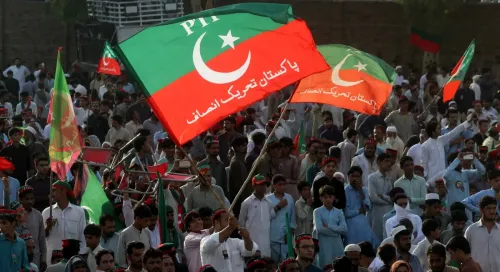
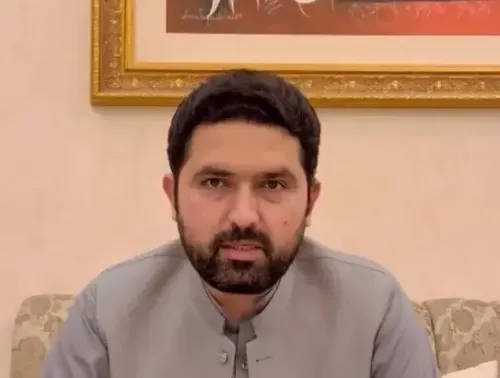
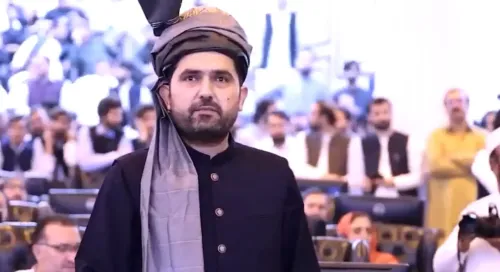
Pakistan Tehreek-e-Insaf (PTI) chairman Gohar Ali Khan called the federal government's decision a 'political mistake and undemocratic' move on Sunday. In a post on X (formerly Twitter), Khan wrote: 'We strongly condemn the imposition of emergency in the province in the strongest terms and completely reject this action. This is an extremely alarming and grave political mistake and an undemocratic measure — the people will never accept such actions against their rights.'
Khan stressed that while there is broad consensus on the need to eliminate terrorism, the fight against militancy cannot be wielded as justification to 'suppress the voice of the people, achieve political objectives and restrict the constitutional authority of the province.' He argued that weakening provincial autonomy would fracture, not fortify, the federation.
A Call for Reversal
In a pointed appeal to the federal government, Gohar Ali Khan urged the Centre to step back from what he described as an ego-driven posture. 'Revisiting political decisions is not a sign of weakness but of wisdom in the national interest — otherwise, great damage will be done,' he wrote on X. He maintained that political wisdom, constitutional supremacy, and meaningful negotiations — not force or extraordinary measures — are the only sustainable path to stability in KP.
This comes amid deepening tensions between the PTI-governed province and the Islamabad establishment, with critics arguing the emergency represents a frontal challenge to the federal structure enshrined in Pakistan's Constitution. The deployment of army assets under civil authority provisions adds a security dimension that analysts say could outlast the formal emergency period.
Point of View
And their mobilisation in 2007 preceded a full judicial crisis. If the PTI frames this as a dress rehearsal for dismantling provincial autonomy, the political costs for the governing coalition could exceed any security dividend the emergency was meant to deliver.
NationPress
12 Oct 2026
Frequently Asked Questions
Why did Pakistan impose emergency in Khyber Pakhtunkhwa?
The federal government cited security concerns — particularly the fight against terrorism — as justification for imposing emergency and governor's rule across 12 districts of Khyber Pakhtunkhwa on 12 October 2026. President Asif Ali Zardari approved the measure on cabinet recommendations, and the Pakistan Army was simultaneously authorised to deploy in aid of civil power.
Which districts are under emergency in Khyber Pakhtunkhwa?
The emergency covers 12 districts: Bannu, Bajaur, Mohmand, Khyber, Kurram, Orakzai, Dera Ismail Khan, Tank, Lakki Marwat, North Waziristan, and South Waziristan. These are predominantly border and tribal districts with longstanding security challenges.
What have lawyers said about the KP emergency?
The Sindh High Court Bar Association and Karachi Bar Association termed the emergency 'undemocratic' and announced a 'black day' in solidarity with KP residents. The KBA also called on lawyers to boycott official work on Monday and convened a general body meeting to formally respond to the imposition.
What is PTI's position on the KP emergency?
PTI chairman Gohar Ali Khan strongly condemned the move, calling it a 'grave political mistake and an undemocratic measure.' In posts on X, he urged the federal government to withdraw the decision, arguing that provincial autonomy cannot be sacrificed in the name of counter-terrorism, and that weakening provinces weakens the federation.
Is this the first time emergency has been imposed in Khyber Pakhtunkhwa?
The source does not specify prior instances of emergency in the province, though KP's border regions have historically operated under varied security and administrative arrangements. The current imposition is notable for its geographic scale — 12 districts simultaneously — and for triggering unified opposition from both the legal community and the PTI.