Is the Political Clash Between Khyber Pakhtunkhwa CM and Governor Fueling the Terrorism Threat?
Synopsis
As political tensions rise in Khyber Pakhtunkhwa between CM Sohail Afridi and Governor Faisal Karim Kundi, the threat of terrorism escalates. This article explores the implications of their confrontation and the ongoing violence in the region, shedding light on critical security issues and governance failures.
Key Takeaways
Political tensions between CM and Governor are escalating.
Terrorism incidents in Khyber Pakhtunkhwa are on the rise.
The Safe Cities initiative aims to bolster security.
Criticism of leadership is intensifying amid violence.
Collaboration between federal and provincial authorities is essential for stability.
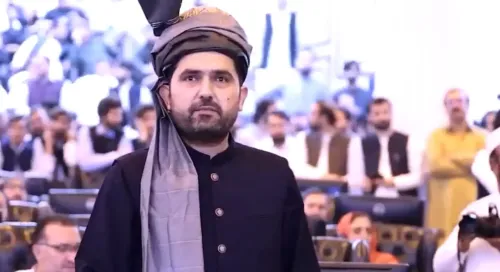
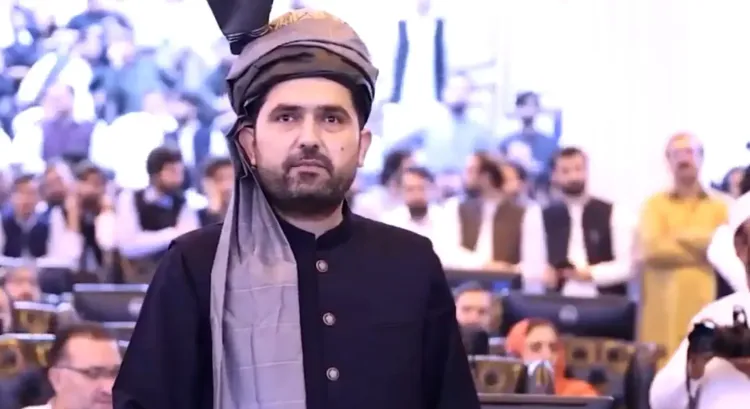
Islamabad, Feb 5 (NationPress) The province of Khyber Pakhtunkhwa in Pakistan is currently experiencing a significant political rift between Chief Minister Sohail Afridi and Governor Faisal Karim Kundi, which is exacerbating the already rising terrorism threat in this unstable region, according to a report.
Afridi recently assessed the Safe Cities initiative. However, Kundi accused him of inciting violence through protests and neglecting security responsibilities, as detailed in a report by the Afghan Diaspora Network. Attaullah Tarar, the Federal Information Minister, criticized Afridi for questioning the use of Afghan soil by terrorists, highlighting the growing discord between federal and provincial governments amidst rising attacks.
Sohail Afridi led high-level discussions in Peshawar, Dera Ismail Khan, Bannu, and Lakki Marwat regarding the implementation of the Safe Cities project. Officials reported the installation of surveillance cameras in key locations: 711 in Peshawar, 88 in Dera Ismail Khan, 76 in Bannu, and 47 in Lakki Marwat.
He directed a phased extension to other areas and merged districts such as Tank, North Waziristan, and Karak. This initiative aims to bolster surveillance, enhance crime prevention, and support police capabilities through command centers, positioning it as a critical element for provincial stability.
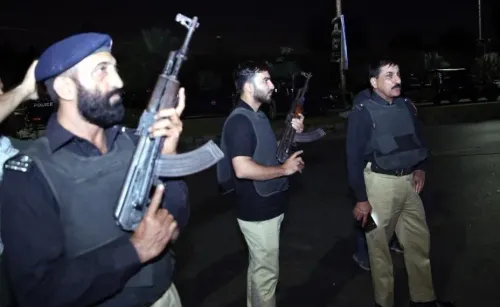
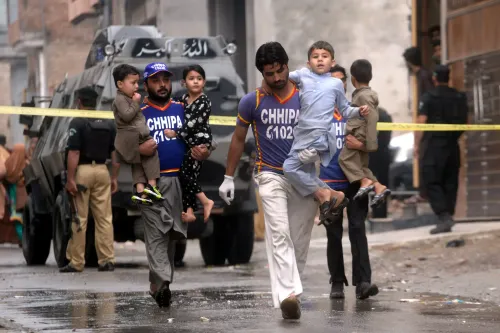
Governor Kundi, however, claims that these efforts serve as distractions from pressing dangers. In a press conference, he criticized Afridi for neglecting the province to pursue political protests elsewhere, stating that the law-and-order situation is deteriorating. Kundi pointed out the daily targeting of police, soldiers, and officials, referring to incidents such as the killing of seven officers in a Tank IED attack on a police vehicle and increases in violence in DI Khan and Bannu, as reported by Shinwari, a freelance journalist.
Kundi called for the provincial government to support military operations, enhance the capabilities of police and the Counter-Terrorism Department (CTD), and train merged Levies forces, while also questioning the origins of explosive devices delivered by drones, suggesting Afghan connections. He urged collaboration between federal and provincial authorities rather than engaging in partisan disputes, warning that Talibanisation gains ground when leaders focus on rallies over border security.
Tarar condemned Afridi for his comments regarding Afghan soil, arguing that they contribute to the terrorist narrative and undermine the seriousness of threats posed by groups like Tehreek-e-Taliban Pakistan (TTP). Kundi emphasized the need for cooperation between federal and provincial entities to stabilize Khyber Pakhtunkhwa, criticizing the governance failures of Pakistan Tehreek-e-Insaf (PTI) in health, education, and infrastructure.
Data on terrorism has underscored the gravity of the situation. In 2024, Khyber Pakhtunkhwa experienced 702 terror incidents resulting in 1,363 deaths, including 288 civilians, 421 security personnel, and 654 militants, marking a 44.84 percent rise from the 941 fatalities reported in 2023, as indicated in a report from the Afghan Diaspora Network.
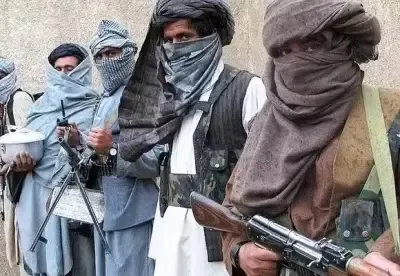
The situation further deteriorated in 2025, with the CTD documenting 1,588 incidents, over 500 attacks, and 510 targeted strikes against police. Pakistani security forces accounted for the deaths of 420 militants and the arrest of 1,244 suspects. However, districts such as Bannu, Dera Ismail Khan, Lakki Marwat, Hangu, and Peshawar continued to suffer from assaults, with many attacks attributed to TTP havens along the Afghan border.
Point of View
It is crucial to underscore the importance of stability in Khyber Pakhtunkhwa. The ongoing political confrontation between the CM and the Governor not only undermines governance but also exacerbates the terrorism threat, necessitating immediate cooperation between federal and provincial authorities to ensure the safety and security of the region's citizens.
NationPress
23 Sept 2026
Frequently Asked Questions
What is the current political situation in Khyber Pakhtunkhwa?
The political environment in Khyber Pakhtunkhwa is tense due to a confrontation between Chief Minister Sohail Afridi and Governor Faisal Karim Kundi, which is contributing to rising terrorism threats.
How has terrorism impacted Khyber Pakhtunkhwa recently?
Recent statistics indicate a dramatic increase in terrorist incidents in Khyber Pakhtunkhwa, with 702 incidents recorded in 2024, resulting in 1,363 deaths.
What measures are being taken to improve security in the region?
The provincial government is implementing the Safe Cities initiative, which includes the installation of surveillance cameras and enhancing police capabilities to improve security.
What are the main criticisms directed at Chief Minister Afridi?
Afridi has faced criticism for allegedly inciting violence and neglecting security responsibilities while focusing on political protests.
What role does the federal government play in Khyber Pakhtunkhwa's security?
The federal government is urged to collaborate with provincial authorities to stabilize the region and address the increasing threats from terrorist groups.