Are Conflicts in Resource-Rich KP and Balochistan Undermining Pakistan's Development?
Synopsis
In a troubling report, persistent violence in Pakistan's Khyber Pakhtunkhwa and Balochistan threatens the nation’s vital energy and mineral sectors. With significant increases in fatalities, the situation raises concerns about the stability and growth of Pakistan’s resource-driven economy.
Key Takeaways
Violence in KP and Balochistan has surged by 34% in 2025.
KP accounted for over 96% of fatalities nationwide.
Militant groups are primarily targeting security forces.
The TTP is responsible for the majority of attacks against security personnel.
Economic stability is at risk due to the escalating conflict.
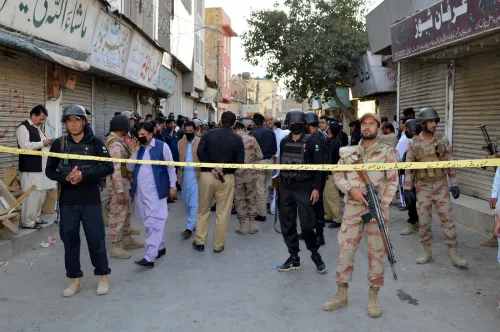
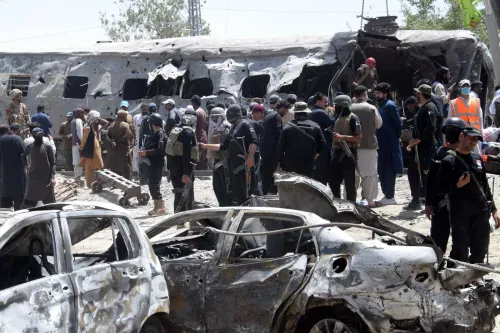
Islamabad, Jan 10 (NationPress) The province of Khyber Pakhtunkhwa (KP) in Pakistan, recognized for its abundant hydropower, cross-border energy corridors, and burgeoning critical mineral opportunities, along with Balochistan—which hosts extensive copper-gold, coal, and coastal energy projects—are grappling with ongoing violence that jeopardizes the foundation of resource-driven growth in Pakistan, according to a report released on Saturday.
The report from the Centre for Research and Security Studies (CRSS) based in Islamabad highlights a notable paradox. Although there was a decline in cross-border attacks following the Durand Line crossing in October 2025, Pakistan experienced its most lethal year in a decade during 2025, with violence primarily concentrated in KP and Balochistan.
“In total, violence increased by approximately 34 percent year-on-year, with deaths rising from 2,555 in 2024 to 3,417 in 2025, continuing a five-year upward trend that began when the Taliban regained power in Afghanistan in 2021. Each subsequent year has recorded double-digit increases in violence, including spikes of about 56 percent in 2023, nearly 67 percent in 2024, and an additional 34 percent in 2025. This indicates a sustained escalation phase rather than intermittent volatility. For potential investors, this trend reflects a systematic deterioration in the security landscape rather than a manageable short-term shock,” detailed a report from the Afghan Diaspora Network.
“This decline in security is sharply focused in the provinces that are crucial for Pakistan's energy and mineral capabilities. KP and Balochistan together accounted for over 96 percent of all fatalities and nearly 93 percent of violent incidents across the nation in 2025. KP was the hardest hit, with deaths rising by 44 percent from 1,620 in 2024 to 2,331 in 2025, while Balochistan saw an increase in fatalities from 787 to 956, marking a nearly 22 percent rise during the same timeframe,” the report noted.
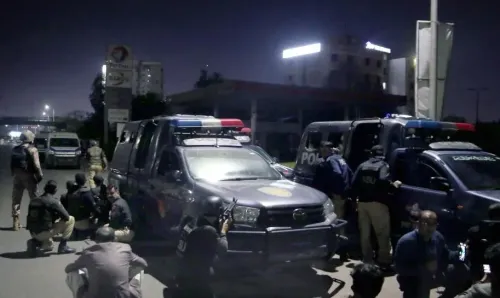
The report further indicated that the nature of violence and target selection provides little reassurance for businesses. In 2025, it stated that security forces were the predominant targets of militant groups, leading to 374 deaths among personnel from the Pakistani army and Frontier Corps, including 22 officers, while police faced 216 deaths.
According to the report, the Tehreek-e-Taliban Pakistan (TTP) was responsible for the highest number of attacks against Pakistani security forces, followed by the Balochistan Liberation Army (BLA), the Baloch Liberation Front (BLF), and the local affiliate of the terror group Daesh.
“These groups have long targeted vital infrastructure, projects linked to China, and symbols of the state. Their ability to operate effectively despite high militant casualties suggests a network capable of shifting focus from security forces to significant economic targets when strategically beneficial,” it highlighted.
Point of View
It is crucial to recognize the alarming trend of escalating violence in KP and Balochistan. This ongoing conflict not only undermines the safety of citizens but also poses significant risks to Pakistan's economic stability. The government must prioritize addressing these security challenges to ensure the continued growth of our resource sectors.
NationPress
19 Sept 2026
Frequently Asked Questions
What is causing the violence in KP and Balochistan?
The violence is primarily attributed to militant groups targeting security forces and strategic infrastructure, which has significantly increased fatalities in these regions.
How has the violence trend changed over the years?
Since the Taliban's return to power in Afghanistan in 2021, violence has escalated yearly, with notable spikes in 2023, 2024, and 2025, indicating a sustained increase rather than periodic volatility.
Which provinces are most affected by this violence?
Khyber Pakhtunkhwa and Balochistan are the most affected provinces, accounting for over 96% of fatalities and 93% of violent incidents nationwide in 2025.
Who are the main perpetrators of the violence?
Groups such as the Tehreek-e-Taliban Pakistan (TTP), Balochistan Liberation Army (BLA), and other militant organizations have been responsible for a significant number of attacks.
What impact does this violence have on Pakistan's economy?
The ongoing violence poses severe risks to Pakistan's energy and mineral sectors, deterring investment and hindering economic growth.