Economic Exploitation and Human Rights Violations: Balochistan's Struggle Amidst Resource Wealth
Synopsis
Balochistan, despite its rich mineral reserves, is among the poorest regions in Pakistan. The economic exploitation and ongoing human rights violations have left the population suffering. This article delves into the regional struggles and the impact of major projects like CPEC.
Key Takeaways
Balochistan is rich in mineral resources but faces extreme poverty.
Economic exploitation occurs as profits largely benefit external entities.
Human rights abuses are rampant, with activists facing severe repression.
Local communities suffer from inadequate services despite wealth around them.
Balochistan's struggle highlights the need for equitable resource management .
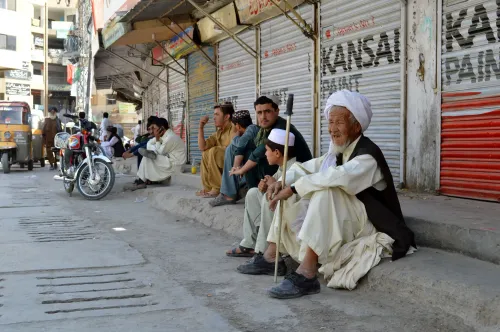
New Delhi, March 12 (NationPress) Despite being endowed with abundant resources, Balochistan represents one of the most impoverished regions in Pakistan. This paradox arises as the province, holding nearly half of the nation’s mineral wealth, continues to suffer from severe human rights violations and economic exploitation.
Balochistan is home to 90% of Pakistan's copper reserves, significant deposits of gold, coal, chromite, barite, marble, and various industrial minerals. Additionally, its hydrocarbon resources play a crucial role in the national economy, contributing approximately 15–20% to Pakistan's GDP, as noted by an article in the European Times.
According to the Baloch Board of Investment and Trade, the province is a major producer of essential minerals such as coal, copper, and lead-zinc barite. However, the revenue generated and job opportunities primarily benefit federal frameworks and private or foreign enterprises, leaving local communities in the lurch.
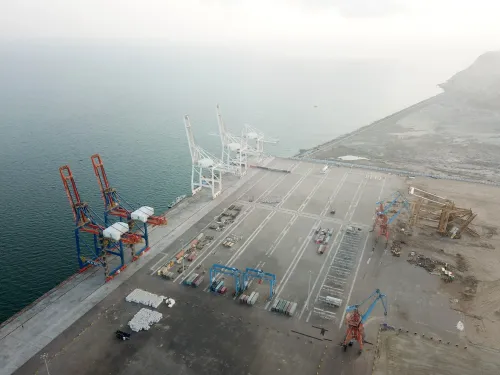
Both international and local human rights organizations highlight that significant initiatives, including the China-Pakistan Economic Corridor (CPEC) and the development of the Gwadar port-city, prioritize national and foreign interests over local engagement and equitable profit-sharing. Baloch activists contend that CPEC and related mining and energy projects effectively strip Balochistan of its resources, characterized by minimal local employment, insufficient environmental protections, and the forced relocation of communities from their lands and coastal territories, as detailed in the article.
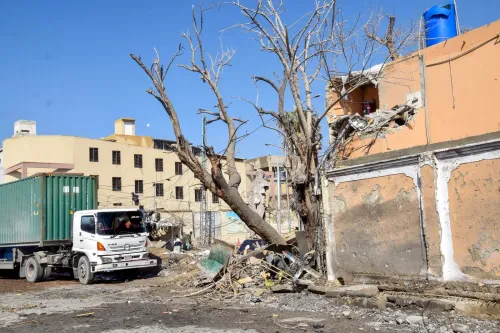
The impact of resource exploitation on indigenous rights is starkly evident in Gwadar. Although lauded as a flagship of CPEC, the port city lacks essential services such as clean drinking water and dependable electricity, despite the presence of multi-billion-dollar infrastructures. Traditional fishermen, who have depended on the sea for generations, report facing harassment and restrictions on accessing their customary fishing zones, resulting in significant livelihood losses as commercial and security-related projects proliferate. Concurrently, documentation from Baloch activists and civil society indicates that job opportunities and contracts connected to Gwadar and other CPEC routes are frequently awarded to non-Baloch workers and companies, exacerbating feelings of economic marginalization and resource extraction.
These economic injustices compound the difficulties stemming from political and human rights abuses. The Baloch Yakjehti Committee (BYC), a coalition of Baloch women and youth activists, has spearheaded protests demanding accountability for enforced disappearances, extrajudicial killings, and the exploitation of Balochistan's resources, as noted in the article.
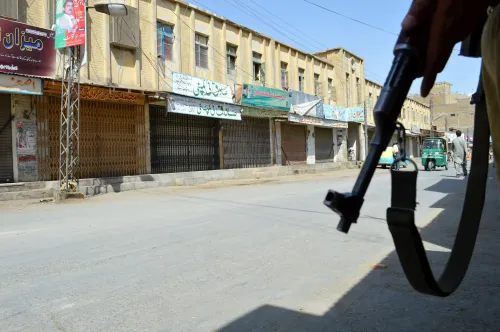
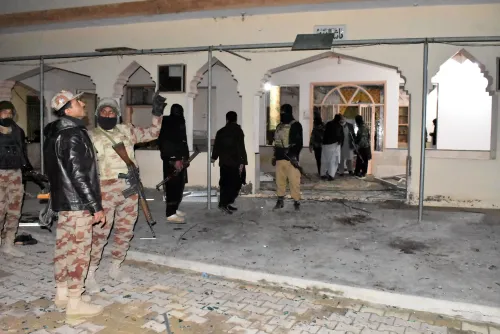
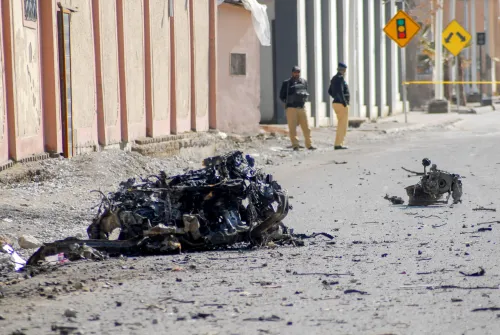
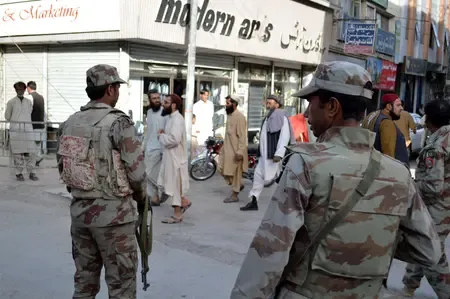
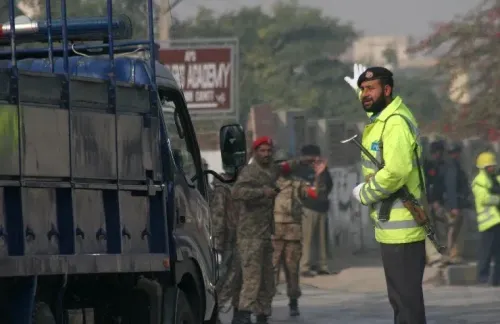
Furthermore, the article highlights that in 2024, the Baloch National Gathering mobilized thousands for a march in Gwadar, advocating for fundamental rights and an end to oppression. In response, Pakistani authorities executed mass detentions and imposed internet blackouts in Gwadar, drawing criticism from Human Rights Watch and other international observers. In March 2025, police in Quetta opened fire on a peaceful BYC protest outside the University of Balochistan, resulting in three fatalities and numerous injuries. The subsequent sit-in protest with the victims' bodies was forcibly dispersed by police using batons and tear gas.
Point of View
It is crucial to present an unbiased view of Balochistan's plight. The province's mineral wealth should benefit its people, not lead to their continued suffering. The need for accountability and equitable resource distribution is paramount to ensure justice for the Baloch community.
NationPress
29 Sept 2026
Frequently Asked Questions
What resources are abundant in Balochistan?
Balochistan is rich in mineral wealth, including copper, gold, coal, chromite, barite, and marble, along with significant hydrocarbon resources.
How does CPEC affect local communities in Balochistan?
CPEC projects often prioritize national and foreign interests over local consent, leading to inadequate local hiring and exploitation of resources, exacerbating economic exclusion.
What are the main human rights issues in Balochistan?
Key issues include enforced disappearances, extrajudicial killings, and the exploitation of resources without fair compensation or benefit-sharing with local communities.
What actions have activists taken in Balochistan?
Activists have organized protests demanding accountability for human rights violations and equitable resource management, highlighting the struggles faced by local populations.
What was the response from authorities during recent protests?
Authorities responded to protests with mass detentions, internet shutdowns, and violence, including police firing on peaceful demonstrators, leading to casualties.