Is Balochistan Viewing CPEC as Dispossession Rather than Development?
Synopsis
A recent report reveals that Balochistan, rich in natural resources, perceives the CPEC less as a development initiative and more as a form of dispossession. This perspective raises critical questions about economic disparity, local governance, and regional empowerment amidst ongoing strategic developments.
Key Takeaways
Balochistan is rich in natural resources but remains economically deprived.
The CPEC is perceived by locals as a form of dispossession rather than development.
Centralized decision-making limits local input and benefits.
Basic services are still lacking in communities surrounding Gwadar.
Security measures are impacting governance priorities.
New Delhi, Jan 26 (NationPress) Despite the province's rich endowments of natural gas, coal, copper, and gold, Balochistan remains one of the most impoverished regions in Pakistan, according to a recent report. For many locals, the China-Pakistan Economic Corridor (CPEC) is viewed not as a pathway to development but rather as a form of dispossession.
An article published in CESCUBE states that revenue generated from resources is seldom reinvested into local initiatives by federal bodies and military-linked businesses, exacerbating economic inequality and political disenfranchisement.
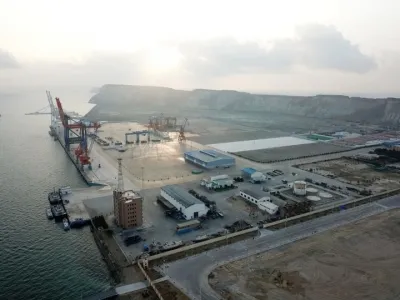
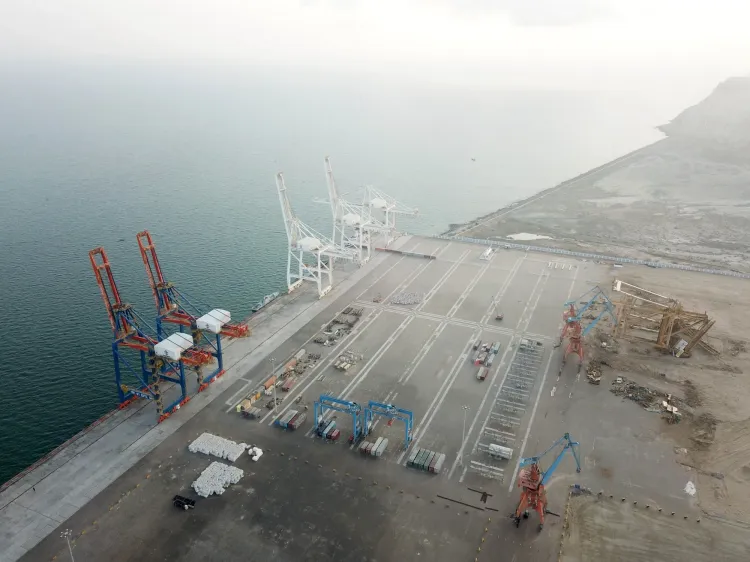
While the Gwadar port has seen advancements in technology, local communities still lack essential services such as clean water, adequate healthcare, and sustainable job opportunities, the article contends.
Gwadar serves as a case study of connectivity without true integration, a scenario that breeds instability, especially in areas with unresolved historical grievances, the report notes.
The prospects for Balochistan and the enduring success of the CPEC hinge on whether Pakistan can adopt a more inclusive governance model that honors regional identities and empowers local administration.
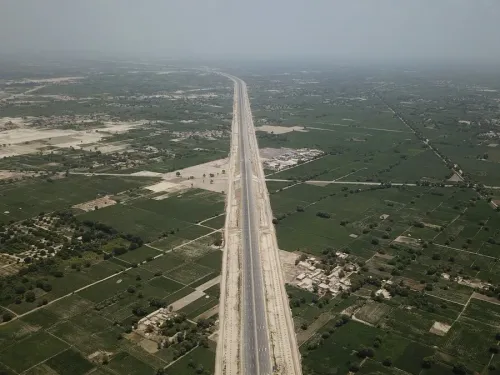
Identified as a driver for interconnectedness and national progress, the CPEC is viewed by Islamabad as a means for economic rejuvenation and by Beijing as a strategic gateway to the Arabian Sea and a way to diversify trade routes, the article elaborates.
Unfortunately, the province has been relegated to a mere transit point, lacking political clout in corridor-centric planning.
Decision-making remains centralized with scant local input, leading to opportunities that predominantly benefit non-Baloch laborers. This influx of outside workers, along with the militarization of project areas, has raised concerns about demographic marginalization and cultural dilution, the report highlights.
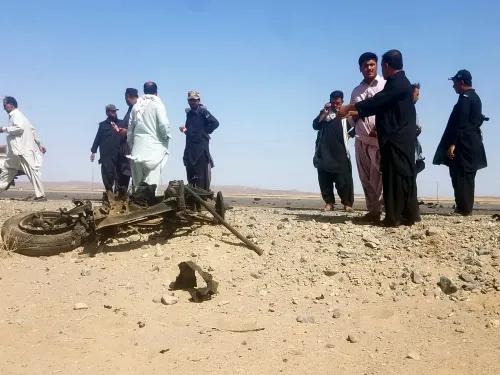
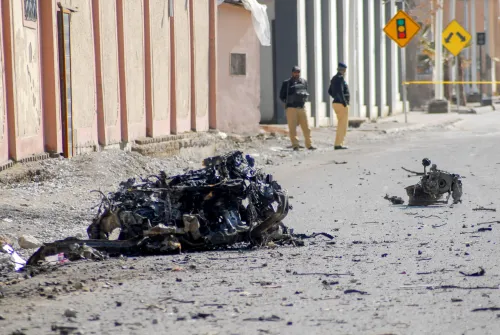
Chinese personnel and facilities have increasingly become targets for insurgent attacks in the province, prompting Pakistan to deploy extensive security forces, including dedicated protection and surveillance units to secure the CPEC.
However, this focus on security can skew governance priorities, the report concludes.
Point of View
It is crucial to recognize the complexities surrounding Balochistan and the CPEC. While the initiative aims to boost economic growth, the local perception of dispossession highlights a significant disconnect. Future strategies must prioritize regional identities and empower local governance to ensure equitable development.
NationPress
25 Sept 2026
Frequently Asked Questions
Why do people in Balochistan view CPEC as dispossession?
Many locals feel that the benefits of CPEC developments are not reaching their communities, as revenues are rarely reinvested locally.
What are the primary concerns regarding the CPEC in Balochistan?
Concerns include economic disparity, lack of basic services, limited local participation in decision-making, and fears of cultural erosion.
How does the Gwadar port affect local communities?
Despite technological advancements at Gwadar, local communities continue to lack essential services such as water and healthcare.
What security measures are in place for CPEC projects?
Pakistan has deployed extensive security forces and established protection units to safeguard CPEC projects amid rising insurgent violence.
What is necessary for the long-term viability of CPEC?
An inclusive federal structure that respects regional identities and fosters local governance is essential for the CPEC's success.