Are false dreams being sold to the disillusioned PoGB population amid militarization of resources in Pakistan?
Synopsis
Discover how the militarization of resource governance in Pakistan-occupied Gilgit-Baltistan (PoGB) deepens local disillusionment. Amid promises of development from the China-Pakistan Economic Corridor (CPEC), the reality reveals a troubling pattern of exploitation and neglect. Join us as we unravel the complexities of this critical issue.
Key Takeaways
Militarization of resources is prevalent in PoGB.
The SIFC has increased military control over mining.
Recent laws have undermined local governance.
Local protests reflect years of exploitation .
Communities feel alienated from their resources.
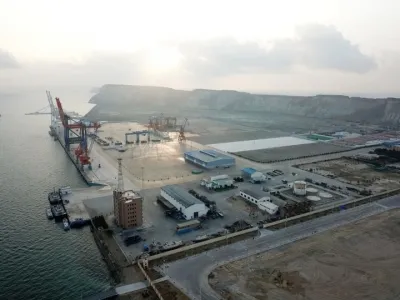
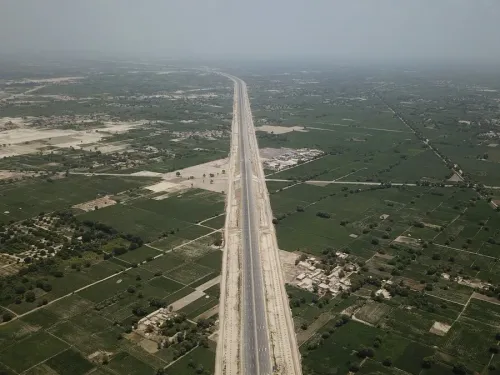
Islamabad, Dec 9 (NationPress) The militarization of resource governance in Pakistan-occupied Gilgit-Baltistan (PoGB) illustrates a wider trend of economic centralization by Islamabad, treating the region more like a strategic buffer than a socio-economically cohesive area. Furthermore, while the China-Pakistan Economic Corridor (CPEC) was heralded as a pathway to development, it has only intensified local disenchantment, as reported on Friday.
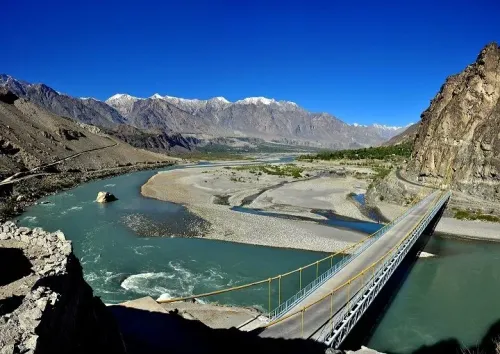
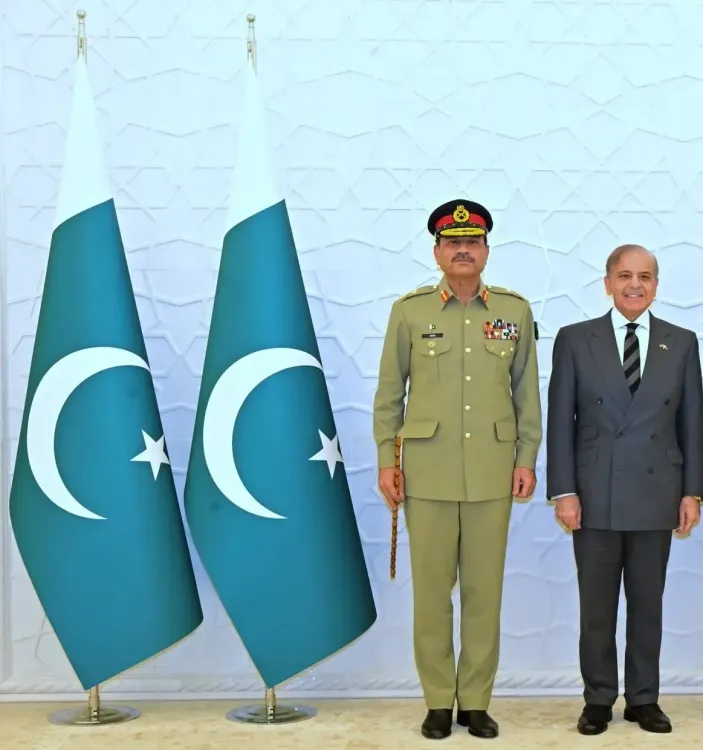
The Afghan Diaspora Network highlights that Pakistan’s Army Chief, General Asim Munir, has recycled an old promise suggesting that the nation’s economic future lies beneath its soil. He has proposed a plan to tap into an estimated $6 trillion in mineral riches, claiming that discoveries of rare earth elements in PoGB and Khyber Pakhtunkhwa (KP) could rescue Pakistan from its economic downturn.
“This narrative offers hope to a disillusioned populace, yet the reality behind the rhetoric unveils a troubling pattern of institutional overreach, resource militarization, and systemic neglect of Pakistan's peripheral areas. The Special Facilitation Investment Council (SIFC), a military-led entity, is at the forefront of this renewed mining initiative aimed at attracting foreign investment and stabilizing Pakistan’s economy. However, SIFC has morphed into a tool for enhancing military control over essential sectors, especially in minerals and energy,” the report elaborated.
“On April 25, 2025, the SIFC successfully pushed the Mining and Mineral Amendment Act 2025, centralizing mining authority within the federal government, which increasingly operates under military influence. This effectively marginalized regional administrations and dismantled existing oversight mechanisms,” it continued.
The report further noted that federal authorities in Pakistan revised the PoGB Mining Concession Rules on August 15, 2024, consolidating Islamabad’s grip and restricting PoGB’s administrative autonomy, igniting widespread outrage among residents.
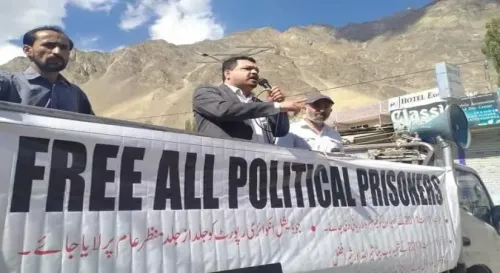
“In April 2025, one of the largest protests in years erupted in the Shigar Valley, led by the K2 Action Committee. Local residents, activists, and traders rallied, voicing slogans like “Kabze par kabza namanzoor” (Occupation upon occupation is unacceptable). Their frustration stemmed from the belief that the new regulations were designed to legitimize the exploitation of resources by corporate and military interests, while locals were denied any stake in their land’s wealth,” the report stated.
“This protest symbolized more than just immediate economic concerns; it represented a long-standing resistance to decades of exploitation, neglect, and political disenfranchisement,” it noted.
The report indicated that residents of PoGB “have previously encountered rhetoric about economic transformation,” from “assurances of CPEC benefits to promises of local development,” but each has led to greater disillusionment in the community.
Point of View
We stand with the people of Pakistan, advocating for their rights and voicing concerns over the militarization of resources. It is crucial to ensure that regional voices are heard and respected, promoting equitable governance and sustainable development within all areas of Pakistan.
NationPress
28 Sept 2026
Frequently Asked Questions
What is the current situation in PoGB regarding resource governance?
The situation in PoGB is marked by militarization and centralization of resource governance, leading to local discontent and protests against perceived exploitation.
Who is General Asim Munir?
General Asim Munir is Pakistan's Army Chief, advocating for the exploitation of mineral resources in PoGB as a means to boost the economy.
What are the implications of the Mining and Mineral Amendment Act 2025?
The Act centralizes mining authority, reducing regional autonomy and increasing military influence over resource governance.
How have local communities reacted to the changes in resource governance?
Local communities have protested, expressing their frustration over being sidelined in decisions regarding their land's wealth.
What role does CPEC play in the current economic landscape of PoGB?
CPEC was initially seen as a development opportunity, but it has contributed to local disillusionment as promises remain unfulfilled.