Balochistan's Abundant Resources Drive Pakistan's Strategic Goals, Ignoring Local Needs
Synopsis
A report reveals that the ongoing extraction of resources in Balochistan, without local community involvement, is exacerbating tensions and human rights issues, highlighting the need for equitable solutions.
Key Takeaways
Balochistan is rich in resources, yet local communities remain impoverished.
Resource extraction has intensified local grievances and unrest.
Government response to dissent has included repressive measures.
Equitable participation and benefit-sharing are crucial for stability.
Addressing indigenous rights is essential for resolving Balochistan's crisis.
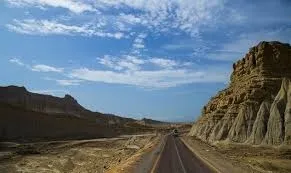
Quetta, March 16 (NationPress) A recent report underscores the ongoing pattern of resource extraction in Pakistan's Balochistan, highlighting that the absence of meaningful involvement from local communities is likely to perpetuate feelings of resentment, militancy, and a human rights crisis. Balochistan, which is the largest province in Pakistan by area, possesses a significant portion of the nation's mineral resources, energy reserves, and strategic coastal assets. However, the local population has been systematically excluded from key decision-making processes, benefits, and fundamental development initiatives.
According to the European Times, the escalation of extractive industries, coupled with security-focused mega-infrastructure projects and a heavy-handed governmental response to dissent, has aggravated grievances concerning land rights, livelihoods, and political sovereignty. The report emphasizes that issues of indigenous rights have become central to the crisis in Balochistan.
Balochistan is home to approximately 50% of Pakistan's known mineral wealth, with over 50 different minerals identified and around 39 actively mined under more than 1,600 licenses. The province contains nearly 90% of the country’s copper reserves, along with significant deposits of gold, coal, chromite, barite, marble, and other industrial minerals.
Despite its wealth in resources, the people of Balochistan rank among the most impoverished in Pakistan. The Baloch Board of Investment and Trade points out that while key minerals such as coal, copper, and lead-zinc barite are produced in Balochistan, the revenue generated primarily benefits federal entities and private or foreign companies rather than the local populace.
Human rights organizations, both local and international, have frequently criticized major initiatives like the China-Pakistan Economic Corridor (CPEC) and the development of Gwadar port city for prioritizing national and foreign strategic interests over the rights and equitable benefit-sharing for local communities.
In Gwadar, a city heavily marketed as a CPEC flagship, the lack of essential services like clean drinking water and reliable electricity is stark, despite the presence of multi-billion-dollar infrastructure projects. Local fishermen, who have depended on the sea for their livelihoods for generations, report experiencing harassment, restrictions on access to their traditional fishing grounds, and loss of income as commercial and security-related initiatives expand. Furthermore, Baloch activists and civil society reports indicate that employment and contracts related to Gwadar and other CPEC projects are often awarded to non-Baloch individuals and companies, further entrenching feelings of economic exclusion and resource extraction.
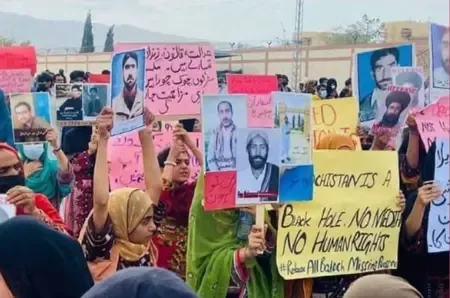
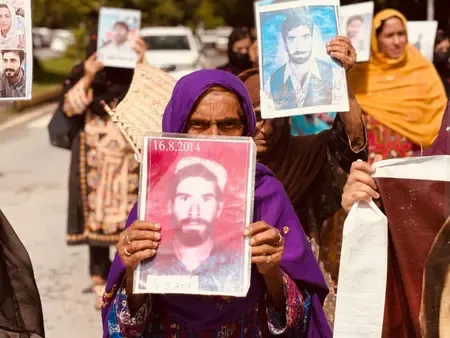
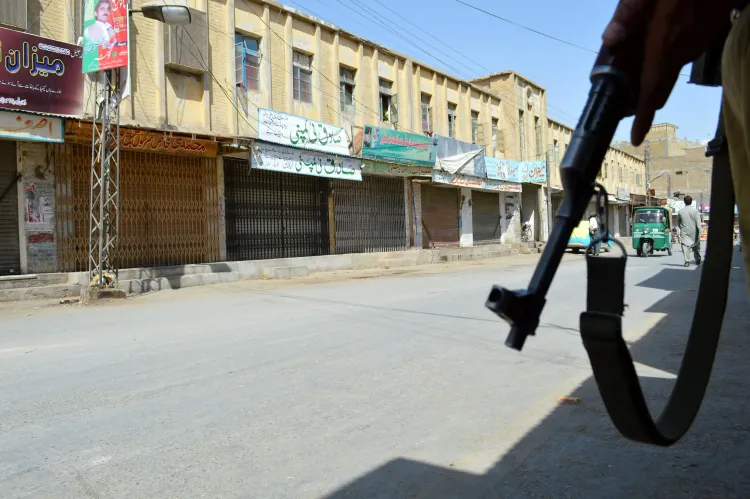
The Baloch Yakjehti Committee (BYC) has organized protests calling for accountability regarding enforced disappearances, extrajudicial killings, and the exploitation of Balochistan’s resources. In 2024, thousands gathered for the Baloch National Gathering, demanding fundamental rights and an end to oppression. In reaction, Pakistani authorities conducted mass detentions and enforced internet shutdowns in Gwadar, drawing condemnation from human rights advocates.
Addressing the discord between resource extraction and indigenous rights in Balochistan requires more than superficial reforms or development rhetoric. Comprehensive solutions must include legally binding frameworks for free, prior, and informed consent, equitable revenue-sharing reflecting the province’s contributions to national mineral wealth, and safeguarding fishing and agricultural livelihoods. Without such measures, the cycle of extraction devoid of local involvement is likely to continue, perpetuating resentment, militancy, and a human rights crisis in Balochistan, even as the region's resources bolster Pakistan's and its partners' strategic objectives.
Point of View
It is evident that the exploitation of Balochistan's resources must be balanced with the rights and needs of local communities. A comprehensive approach is needed to ensure equitable benefits and sustainable development.
NationPress
29 Sept 2026
Frequently Asked Questions
Why is the local involvement in resource extraction important?
Local involvement is crucial as it ensures that communities benefit from the resources extracted from their land, fostering trust and reducing tensions.
What are the main resources found in Balochistan?
Balochistan is rich in minerals, including copper, gold, coal, chromite, barite, and various industrial minerals, representing a significant portion of Pakistan's resources.
How has the government responded to local protests?
The government has often responded with detentions and internet shutdowns, which has drawn criticism from human rights organizations.
What is CPEC and its significance to Balochistan?
The China-Pakistan Economic Corridor (CPEC) is a major infrastructure project aimed at enhancing connectivity and trade, but it has faced backlash for sidelining local communities.
What measures are needed to resolve the issues in Balochistan?
Comprehensive reforms that include local consent, fair revenue-sharing, and protection for livelihoods are essential to address the challenges faced by Balochistan.