BNM Exposes Severe Human Rights Abuses in Balochistan at UNHRC
Synopsis
During the UNHRC session, the Baloch National Movement revealed shocking human rights violations in Balochistan, including extrajudicial killings and enforced disappearances, urging the international community to take action against these grave abuses.
Key Takeaways
BNM accuses Pakistani authorities of severe human rights abuses.
Extrajudicial killings and enforced disappearances are prevalent.
International community urged to hold Pakistan accountable.
Reports indicate systematic suppression of political voices.
BNM calls for independent investigations into these abuses.
Geneva, March 26 (NationPress) The Baloch National Movement (BNM) has condemned the Pakistani government for severe human rights violations, which include extrajudicial killings, enforced disappearances, and torture occurring throughout Balochistan during the 61st session of the United Nations Human Rights Council held in Geneva.
Naseem Baloch, the chairman of the BNM, addressed the assembly, stating that the European Union had conferred special trade privileges to Pakistan under the Generalised Scheme of Preferences Plus (GSP+), anticipating that Islamabad would adhere to international standards regarding human rights, labor rights, and democratic governance.
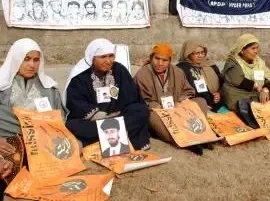
However, he pointed out that the reality in Pakistan is starkly different. For many years, Naseem emphasized, the inhabitants of Balochistan have been subjected to systematic and widespread human rights abuses, including enforced disappearances, extrajudicial killings, arbitrary detention, torture, and the suppression of political dissent.
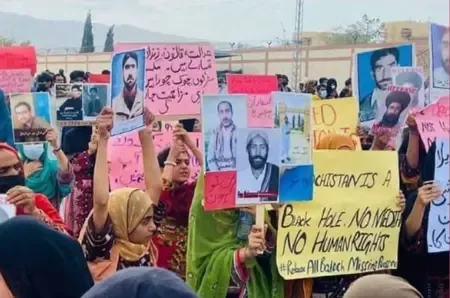
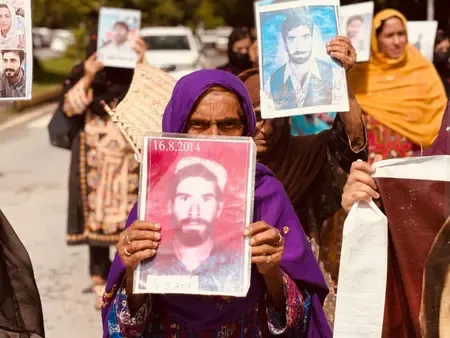
"Thousands of political activists, students, journalists, and ordinary citizens from Balochistan have gone missing. Many are detained in clandestine torture facilities without access to legal representation or contact with their families. Some are later discovered as mutilated bodies abandoned by the roadside, a practice commonly known as the 'kill-and-dump policy,'" he elaborated.
In 2025, the BNM recorded 1,355 cases of enforced disappearances and 229 instances of extrajudicial killings within Balochistan, with the statistics for this year, up until March 20, remaining equally distressing.
"This year alone, there have been 228 enforced disappearances and 81 extrajudicial killings, including cases involving teenage women. Notably, five of the ten females who disappeared were later released, having suffered torture, and one was paraded in the media with fabricated charges. Alarmingly, 21 of these killings occurred within the first ten days of March in a single town known as Panjgur in Balochistan," the activist detailed.
The BNM has called upon EU policymakers and members of the European Parliament to undertake a serious and transparent examination of Pakistan's commitment to its human rights obligations under the GSP framework.
During the session, BNM's Foreign Secretary, Faheem Baloch, demanded an independent inquiry, accountability, and the safeguarding of fundamental rights in view of the ongoing abuses throughout Balochistan.
He referenced Amnesty International, noting that enforced disappearances, torture, and extrajudicial killings continue to plague the province. Additionally, he cited the Human Rights Commission of Pakistan, which has reported that enforced disappearances persist, while families of the missing often endure pressure and harassment when seeking information.
Faheem highlighted global concerns regarding the situation, stating, "The United Kingdom has raised alarms about reports of mass graves in Balochistan and continues to address human rights issues with Pakistan. The United States, in its annual human rights report, has chronicled instances of killings, disappearances, and torture. Various European Union members, including the Netherlands, have also spotlighted these issues."
He underscored that experts at the UN Human Rights Council have urged Pakistan to investigate these incidents and uphold international human rights standards.
Point of View
Highlighting the need for international intervention and accountability regarding the reported abuses. It emphasizes the Baloch National Movement's call for action from global powers and human rights organizations.
NationPress
6 Oct 2026
Frequently Asked Questions
What human rights violations are reported in Balochistan?
Reports include extrajudicial killings, enforced disappearances, torture, and arbitrary detention.
What is the Baloch National Movement's role?
The BNM advocates for the rights of the Baloch people and raises awareness of human rights abuses in Balochistan.
What international actions have been called for?
The BNM urges the EU and other global entities to investigate Pakistan's compliance with human rights obligations.
How many cases of enforced disappearances were documented?
In 2025, the BNM documented 1,355 cases of enforced disappearances.
What can be done to help the situation in Balochistan?
International pressure and accountability measures are needed to address the ongoing human rights violations.