Supreme Court grants interim bail to YouTuber Gulshan Pahuja in contempt case
Synopsis
The Supreme Court has freed YouTuber Gulshan Pahuja on interim bail after suspending his six-month contempt sentence — but with a pointed warning that any repeat of the scandalising conduct could land him back in custody. The case is shaping up as a defining judicial test of how far social media criticism of judges can go before it crosses into criminal contempt.
Key Takeaways
The Supreme Court on 3 September suspended the six-month sentence of YouTuber Gulshan Pahuja and granted him interim bail in two criminal contempt cases.
The bench of Justices Dipankar Datta and Sheel Nagu warned that any recurrence of the contemptuous conduct could lead to revocation of interim protection .
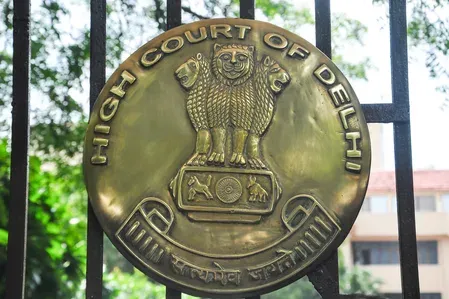
The Delhi High Court had convicted Pahuja — who runs 'Fight 4 Judicial Reforms' — for making derogatory, unverified remarks against judicial officers in videos and online content.
He was sentenced to six months' simple imprisonment and a fine of ₹2,000 in each of the two cases, with sentences running concurrently.
The matter will next be heard in the week commencing 5 October , when the Supreme Court will take up Pahuja's appeal against conviction.
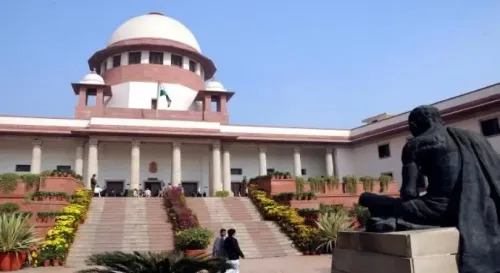
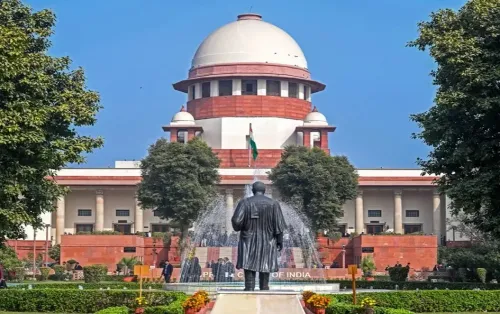
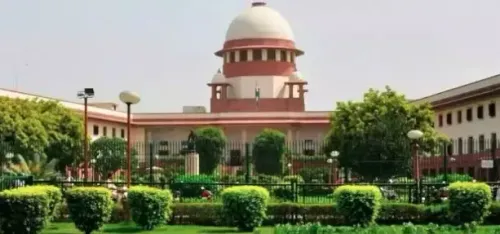
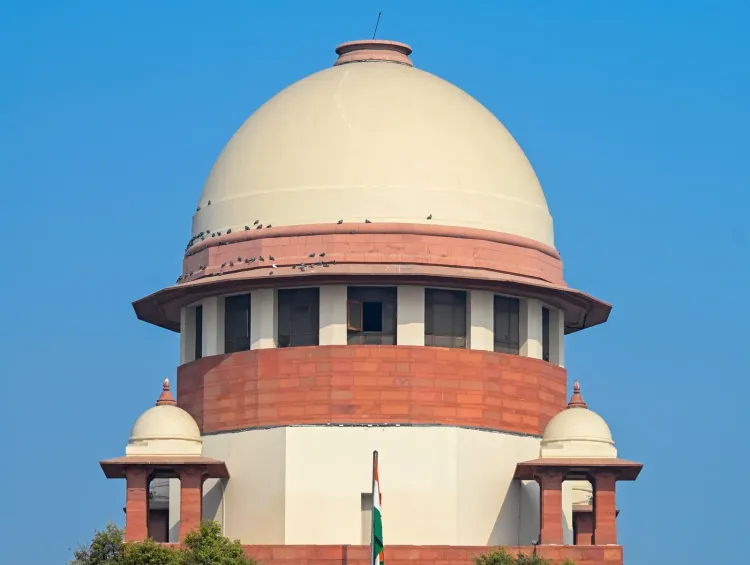
The Supreme Court on Thursday, 3 September suspended the six-month sentence imposed on YouTuber Gulshan Pahuja in two criminal contempt cases and granted him interim bail, while cautioning him against repeating the conduct for which he was convicted by the Delhi High Court. The bench of Justices Dipankar Datta and Sheel Nagu also issued notice on Pahuja's appeal against his conviction, making the matter returnable in the week commencing 5 October.
What the Supreme Court Ordered
'Till the next date of hearing of the appeal, we order suspension of sentence; consequently, the appellant be released on interim bail,' the bench directed. The relief, however, was made conditional on Pahuja refraining from repeating the conduct that led to his conviction.
The court was unambiguous in its warning: 'We hope and trust that the appellant will refrain from repeating the conduct for which he was convicted for contempt by the High Court. Any recurrence, if brought to our notice, could lead to revocation of this order of interim protection.'
Background: The Contempt Cases
Pahuja, who runs the YouTube channel 'Fight 4 Judicial Reforms', had challenged two Delhi High Court judgments that found him guilty of criminal contempt and sentenced him to six months' simple imprisonment in each case, with sentences directed to run concurrently. The High Court had also imposed a fine of ₹2,000 in each case and suspended the sentence for 60 days to allow him to approach the Supreme Court.
The contempt proceedings stemmed from videos, banners, and other online content in which Pahuja had made what the courts described as derogatory and scandalous remarks against judicial officers and the judiciary at large.
What the Delhi High Court Found
In April, a division bench of Justices Navin Chawla and Ravinder Dudeja held that Pahuja had crossed the line between legitimate criticism and criminal contempt by making sweeping, unverified allegations against judicial officers. The High Court drew a clear distinction: advocating judicial reforms — including audio-video recording of court proceedings — was permissible, but Pahuja's content went beyond healthy criticism and was aimed at scandalising the judiciary and eroding public confidence in the justice system.
'If one has to attack a Judicial Officer on his integrity or competence, it must be done with cogent evidence; it cannot be made lightly,' the High Court observed.
While sentencing Pahuja in May, the court recorded that he showed no remorse and instead made further scandalous submissions during the hearing, thereby compounding the contempt.
Earlier Supreme Court Caution
This is not the first time the apex court has flagged Pahuja's conduct. In July, while considering a plea arising from the Delhi High Court's refusal to extend his surrender deadline — a plea that was ultimately rendered infructuous after Pahuja surrendered — the Justice Datta-led bench cautioned him against making allegations of judicial corruption without supporting material.
'Judicial officers, you bring charges of corruption without any supporting material. You tarnish the image of judicial officers, and you know how social media reacts. The entire career of a judicial officer is at stake,' the court had remarked at the time. The apex court had also subsequently granted Pahuja liberty to seek exemption from filing official English translations of vernacular documents in his statutory appeal under Section 19 of the Contempt of Courts Act.
What Happens Next
The matter is now listed for the week of 5 October, when the Supreme Court will hear Pahuja's appeal against his conviction and his bail application. The interim bail and sentence suspension remain in force until then, subject to the court's conditions. The case is being closely watched as a test of where Indian courts draw the boundary between protected criticism of the judiciary and actionable contempt in the social media age.
Point of View
It will effectively set a floor below which online commentary on judges cannot go, with implications for every legal-commentary creator in India.
NationPress
3 Sept 2026
Frequently Asked Questions
Why was Gulshan Pahuja sentenced for contempt of court?
Gulshan Pahuja was convicted of criminal contempt by the Delhi High Court for making derogatory and unverified remarks against judicial officers in videos, banners, and other online content on his YouTube channel 'Fight 4 Judicial Reforms'. The High Court found that his conduct went beyond legitimate criticism and was aimed at scandalising the judiciary and lowering public confidence in the justice system.
What did the Supreme Court order on 3 September?
The Supreme Court suspended Pahuja's six-month sentence and granted him interim bail, subject to him refraining from repeating the conduct that led to his conviction. The bench warned that any recurrence could lead to revocation of the interim protection.
What is the next date of hearing in the Gulshan Pahuja contempt case?
The Supreme Court has made the matter returnable in the week commencing 5 October, when it will hear Pahuja's appeal against his conviction and his bail application.
What was the original sentence imposed by the Delhi High Court?
The Delhi High Court sentenced Pahuja to six months' simple imprisonment and a fine of ₹2,000 in each of the two contempt cases, with the sentences directed to run concurrently. The sentence was initially suspended for 60 days to allow him to challenge the conviction before the Supreme Court.
What is the legal provision under which Pahuja filed his appeal?
Pahuja filed a statutory appeal under Section 19 of the Contempt of Courts Act, challenging the Delhi High Court's judgments convicting him of criminal contempt. The Supreme Court also granted him liberty to seek exemption from filing official English translations of vernacular documents in the appeal.