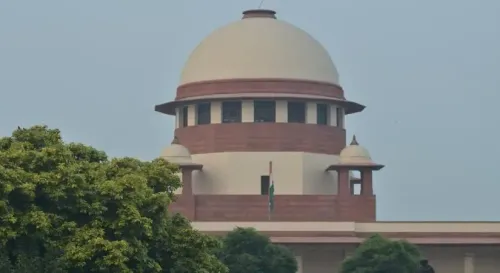
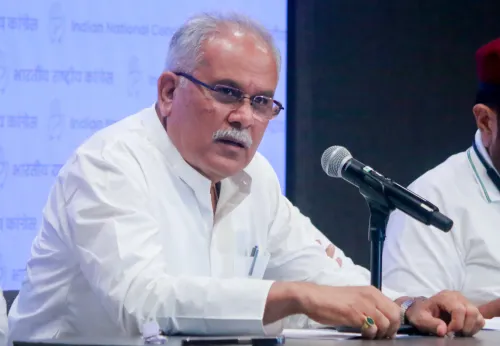
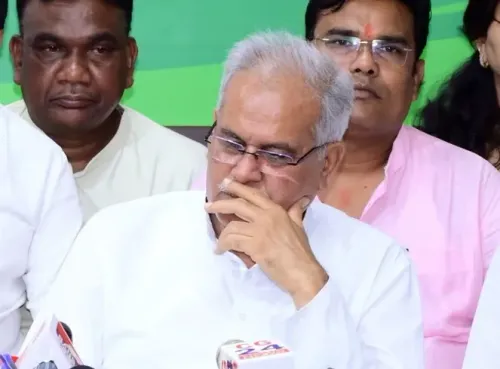
SC refuses to stay Bhupesh Baghel election petition trial in Patan seat case
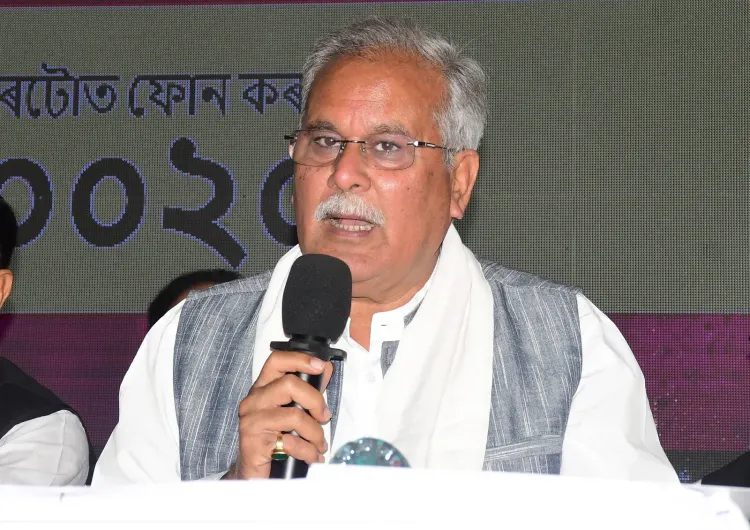
Synopsis
The Supreme Court has refused to shield former Chhattisgarh Chief Minister Bhupesh Baghel from a full election trial over an alleged silence-period roadshow held just before the 2023 Patan polling day. Despite a 20,000-vote win margin and a senior advocate's plea that the conduct was at most an electoral offence — not a corrupt practice — the court let the Chhattisgarh High Court's order stand, setting up a potentially career-defining legal battle for Baghel.
Key Takeaways
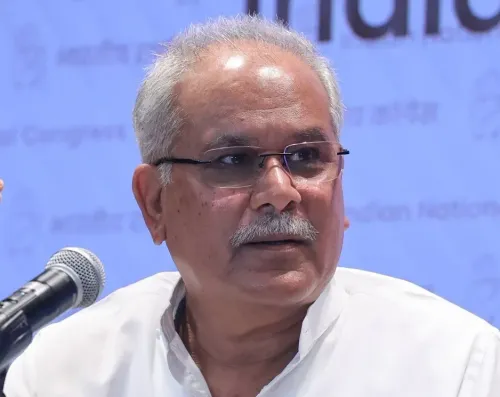
The Supreme Court on 7 August 2026 dismissed Bhupesh Baghel's SLP challenging the Chhattisgarh High Court's order allowing an election petition against him to proceed to trial.
The petition, filed by BJP leader Vijay Baghel , alleges Baghel violated the 48-hour silence period under Section 126 of the Representation of the People Act by holding a roadshow on 16 November 2023 .
Senior advocate Kapil Sibal argued the alleged conduct was an electoral offence, not a 'corrupt practice,' and could not have affected the result given Baghel's 20,000-vote winning margin.
The Chhattisgarh High Court had on 15 June 2026 ruled the petition was maintainable and required a full trial on merits.
The Supreme Court granted Baghel liberty to raise all legal and factual contentions during the trial before the High Court acting as the election tribunal.
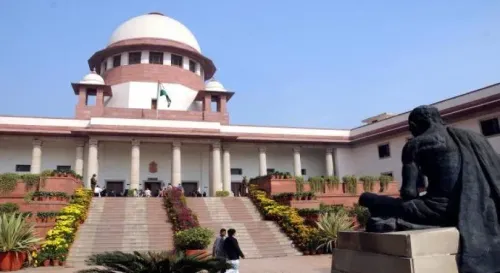
The Supreme Court on Friday, 7 August 2026 declined to interfere with the Chhattisgarh High Court's ruling that allowed an election petition against former Chhattisgarh Chief Minister Bhupesh Baghel to proceed to full trial. The petition challenges Baghel's victory from the Patan Assembly constituency in the 2023 Chhattisgarh state elections, alleging a violation of the statutory silence period ahead of polling.
What the Supreme Court Decided
A Bench comprising Chief Justice of India Surya Kant, Justice Joymalya Bagchi, and Justice V Mohana dismissed Baghel's special leave petition (SLP) challenging the Chhattisgarh High Court's 15 June 2026 order. That order had held the election petition to be maintainable and directed that it proceed on merits. The Supreme Court did, however, grant Baghel liberty to raise all legal and factual contentions during the trial before the High Court, which is acting as the election tribunal. Justice Bagchi noted that Baghel had 'an arguable case to defend.'
The Core Allegation
The election petition was filed by Bharatiya Janata Party (BJP) leader Vijay Baghel, who alleges that Bhupesh Baghel violated the 48-hour silence period mandated under Section 126 of the Representation of the People Act, 1951. Specifically, the petition claims Baghel conducted a roadshow on 16 November 2023 — a day before polling in the Patan constituency — during which election slogans were raised and votes were sought. Polling was scheduled to conclude on 17 November 2023, meaning the silence period commenced from 5 pm on 15 November.
Baghel's Defence Before the Court
Senior advocate Kapil Sibal, appearing for Bhupesh Baghel, argued that the alleged conduct amounted to an electoral offence under Section 126 and not a 'corrupt practice' under Section 123 of the Act — the latter being the threshold for declaring an election void. Sibal further contended that the alleged roadshow, attended by approximately 200 people, could not have materially affected the outcome given that Baghel had won the Patan seat by a margin of around 20,000 votes. He also noted that the persons accompanying Baghel were security personnel, given his Z+ security cover as Chief Minister at the time. Sibal urged the court to intervene at the threshold to spare Baghel a full-fledged trial, arguing the allegations did not disclose a corrupt practice.
What the Chhattisgarh High Court Had Ruled
The Chhattisgarh High Court, in its 15 June 2026 order, had rejected Baghel's plea to dismiss the petition at the preliminary stage. A single-judge Bench of Justice Ravindra Kumar Agrawal observed that the allegations regarding the statutory silence period violation were 'specific enough to warrant a trial and cannot be discarded as vague or illusory.' The High Court held that questions of whether the conduct constituted a corrupt practice, whether there was non-compliance with the Act, and whether the election result was materially affected all required appreciation of oral and documentary evidence — and could not be resolved without a trial. It also held that objections regarding admissibility of electronic evidence, including the absence of a certificate under Section 65-B of the Indian Evidence Act, were matters for the evidence stage and not grounds to dismiss the petition at the outset.
What Happens Next
The election petition will now proceed to full trial before the Chhattisgarh High Court acting as the election tribunal. Baghel retains the right to contest all factual and legal issues — including the evidentiary value and admissibility of documents — during the trial. The outcome of the proceedings could have significant implications for Baghel's political standing, as a finding of corrupt practice would render his election void. This is a notable legal development in the political landscape of Chhattisgarh, where Baghel's Indian National Congress (Congress) lost power to the BJP in the 2023 assembly elections.
Point of View
And the High Court will now have to navigate it with evidence. For Baghel, a 20,000-vote margin is a strong factual shield, but it is not a legal one: the Act does not require proof that the result was actually affected, only that it could have been materially affected. The trial could set a precedent on how silence-period violations are prosecuted in constituencies where incumbents hold commanding leads — a question that has not been definitively settled by the courts.
NationPress
22 Sept 2026
Frequently Asked Questions
Why did the Supreme Court refuse to stop the election petition trial against Bhupesh Baghel?
The Supreme Court declined to interfere because the Chhattisgarh High Court had found the election petition maintainable, with specific allegations warranting a full trial. The bench noted Baghel had 'an arguable case to defend' and that factual and evidentiary questions could not be resolved at the threshold.
What is the election petition against Bhupesh Baghel about?
The petition, filed by BJP leader Vijay Baghel, alleges that Bhupesh Baghel violated the 48-hour silence period under Section 126 of the Representation of the People Act, 1951 by conducting a roadshow on 16 November 2023 — a day before polling in the Patan Assembly constituency during the 2023 Chhattisgarh elections.
What is the legal difference between an electoral offence and a corrupt practice in this case?
An electoral offence under Section 126 of the Representation of the People Act is a criminal violation of the silence period but does not automatically void an election. A corrupt practice under Section 123 of the Act, if proven, can result in the election being declared void. Baghel's counsel argued the alleged conduct fell only in the former category.
What did the Chhattisgarh High Court rule before the Supreme Court hearing?
On 15 June 2026, the Chhattisgarh High Court rejected Baghel's plea to dismiss the petition at the preliminary stage, holding that the allegations were specific enough to warrant a trial and that questions of evidence could not be decided without a full hearing.
What happens next in the Bhupesh Baghel election petition case?
The case will now proceed to full trial before the Chhattisgarh High Court, which is acting as the election tribunal. Baghel retains the right to contest all legal and factual contentions — including the admissibility of electronic evidence — during the trial proceedings.