NEET-UG CBT mode: SC petition demands shift before June 21 retest
Synopsis
A Supreme Court petition filed by an RJD MP, an IMA spokesperson and others demands that the NEET-UG retest on 21 June be shifted to CBT mode immediately — and that the NTA be abolished. With 22 lakh candidates caught in the fallout of the 2026 paper leak, and the government already committed to going digital by 2027, the petitioners argue there is no defensible reason to wait.
Key Takeaways
A fresh petition filed in the Supreme Court demands immediate transition of NEET-UG to Computer-Based Test (CBT) mode, starting with the retest on 21 June 2026 .
The NEET-UG 2026 examination, held on 3 May 2026 , was cancelled by the NTA on 12 May 2026 after evidence of paper leak, affecting more than 22 lakh candidates .
The petition cites a pattern of NTA failures dating to 2021 , including NEET, JEE-Main, NEET-UG 2024, and UGC-NET 2024 controversies.
The plea seeks replacement of the NTA with a new statutory body and a high-level monitoring committee of retired SC judges, cybersecurity and forensic experts.
The CBI has been asked to submit a status report on the 2026 leak investigation within four weeks .
The Union government has already announced a shift to CBT from 2027 ; petitioners argue this makes continued delay unjustifiable.
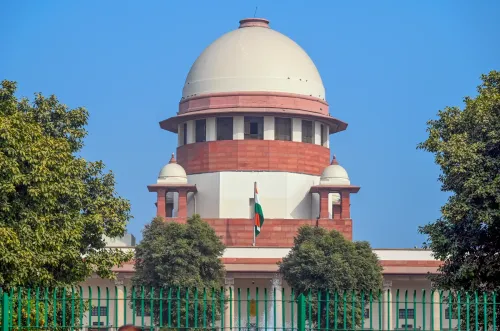
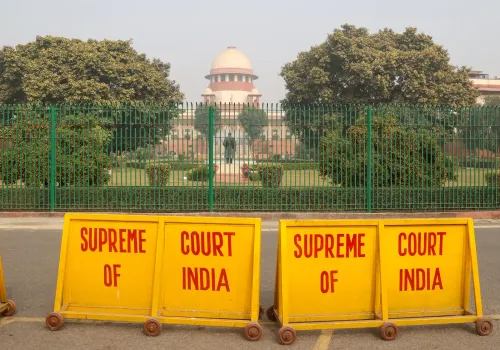
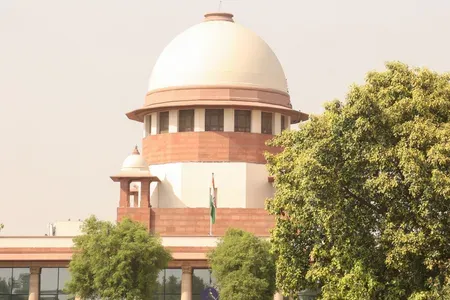
A fresh petition has been filed before the Supreme Court of India seeking the immediate transition of the National Eligibility-cum-Entrance Test (NEET-UG) to a Computer-Based Test (CBT) mode, arguing that repeated paper leak controversies and alleged security failures have rendered the existing pen-and-paper system conducted by the National Testing Agency (NTA) structurally indefensible. The plea, filed under Article 32 of the Constitution, specifically demands that the re-test scheduled for 21 June 2026 be conducted in CBT mode rather than the current format.
Background: What Triggered the Petition
The petition was prompted by the cancellation of the NEET-UG 2026 examination, which was originally conducted on 3 May 2026 and subsequently scrapped by the NTA on 12 May 2026 following investigative inputs indicating compromise of examination integrity. The cancellation affected more than 22 lakh candidates. According to the plea, alleged 'guess papers' and leaked material were circulated on digital platforms including WhatsApp and Telegram before the examination.
The petition contends that the events surrounding NEET-UG 2026 are 'not isolated incidents' but form part of a continuing pattern of controversies linked to NTA-conducted examinations — citing alleged impersonation and proxy candidate networks in NEET 2021, remote-access software misuse in JEE-Main 2021, and paper leak allegations in NEET-UG 2024 that led to the cancellation of UGC-NET 2024.
The Core Argument Against Pen-and-Paper Format
The petition argues that the existing system is 'inherently vulnerable' owing to its dependence on physical logistics chains, strong rooms, transportation networks and third-party operational mechanisms, each of which creates multiple access points for unauthorised disclosure. It notes that despite recommendations made by the high-level committee headed by former ISRO Chairman K. Radhakrishnan following the 2024 controversy, NEET-UG 2026 was conducted under 'substantially the same pen-and-paper framework involving physical printing, storage, transportation and handling of confidential examination material.'
Notably, the plea points out that the Union government had already publicly announced that NEET-UG would transition to a fully CBT mode from 2027 — which, the petitioners argue, amounts to an acknowledgement that 'technological reform and secure digital examination architecture are necessary.' The petition contends that once authorities have accepted the inevitability of the transition, 'postponing implementation despite the events of NEET-UG 2026 lacks reasonable justification.'
What the Petitioners Are Demanding
The plea seeks a range of urgent directions from the apex court. On the immediate front, it prays for the 21 June 2026 re-test to be conducted in CBT mode. It also seeks a time-bound roadmap from the Centre for transitioning NEET-UG entirely to a computer-based framework, along with details of infrastructure development, cybersecurity mechanisms and candidate accessibility measures.
On structural reform, the petition seeks the replacement of the NTA with a 'new independent, transparent and professionally regulated National Examination Authority' equipped with statutory accountability, judicial oversight and advanced technological safeguards. It further calls for a high-level monitoring committee comprising retired Supreme Court judges, educationists, psychologists, cybersecurity experts, forensic scientists and administrative experts to recommend systemic changes.
The plea additionally demands implementation of encrypted digital paper transmission systems, biometric verification, AI-based surveillance and strict cybersecurity protocols across all national examinations. It also seeks fast-track criminal prosecution of individuals, coaching centres, middlemen and officials allegedly involved in examination leaks and organised cheating rackets.
CBI Accountability and Supreme Court Precedent
The petition seeks a direction to the Central Bureau of Investigation (CBI) to file a status report before the Supreme Court within four weeks, detailing arrests, charges and the progress of prosecution in the alleged NEET-UG 2026 paper leak case.
The plea also invokes the Supreme Court's own observations in Vanshika Yadav vs Union of India (2024), in which the apex court stated: 'This indicates that there is a serious lapse in security and that security measures which are stringent and effective must be implemented by NTA.' The petition argues that those observations have not been acted upon, and that structural reform can no longer be deferred.
Who Filed the Petition
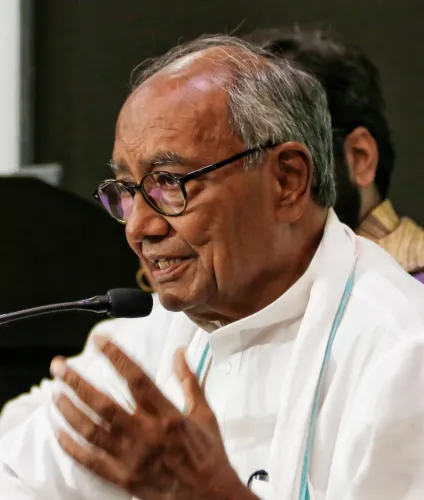
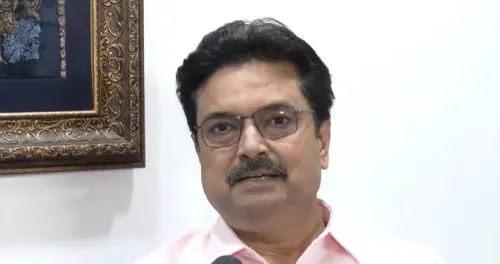
The petition has been filed by Rashtriya Janata Dal (RJD) Member of Parliament Sudhakar Singh, social activist Anubhav Garg, Dr Dhruv Chauhan — National Spokesperson of the Indian Medical Association (IMA) — and political leader Harisharan Devgan, through advocate Satyam Singh Rajput and advocate-on-record Neema, along with legal team members Muskan Singh and Adarsh Singh.
The Supreme Court is yet to list the petition for hearing. How the bench responds — particularly on the June 21 re-test timeline — will be closely watched by millions of medical aspirants across the country.
Point of View
Every day of delay is a policy choice, not a logistical necessity. What this petition really puts on trial is not just the pen-and-paper format but the NTA's institutional credibility — an agency that has now presided over controversies spanning NEET, JEE-Main and UGC-NET across multiple years. The Supreme Court's 2024 observation in Vanshika Yadav that NTA's security lapses were 'serious' went unimplemented; the 2026 cancellation is the direct consequence. The harder question the bench must answer is whether structural reform can be mandated by judicial direction, or whether it requires legislative action to create a genuinely independent examination authority with statutory teeth.
NationPress
7 Oct 2026
Frequently Asked Questions
What does the Supreme Court petition on NEET-UG CBT mode seek?
The petition seeks an immediate shift of the NEET-UG examination to Computer-Based Test (CBT) mode, starting with the retest scheduled for 21 June 2026. It also demands a time-bound roadmap for full CBT transition, replacement of the NTA with a new statutory body, and a CBI status report on the 2026 paper leak within four weeks.
Why was NEET-UG 2026 cancelled?
The NTA cancelled the NEET-UG 2026 examination on 12 May 2026, nine days after it was held on 3 May 2026, after receiving investigative inputs indicating that the integrity of the examination had been compromised. Alleged leaked material and guess papers were reportedly circulated on WhatsApp and Telegram before the exam, affecting over 22 lakh candidates.
Who filed the NEET-UG CBT petition in the Supreme Court?
The petition was filed by RJD MP Sudhakar Singh, social activist Anubhav Garg, Dr Dhruv Chauhan (National Spokesperson of the Indian Medical Association), and political leader Harisharan Devgan, through advocate Satyam Singh Rajput and advocate-on-record Neema.
Has the government already committed to shifting NEET-UG to CBT mode?
Yes. The Union government has publicly announced that NEET-UG will transition to a fully computer-based format from 2027. The petitioners argue this acknowledgement makes postponing the shift — especially for the June 21 retest — unreasonable and without justification.
What is the history of NTA examination controversies cited in the petition?
The petition cites alleged impersonation and proxy candidate networks in NEET 2021, remote-access software misuse in JEE-Main 2021, paper leak allegations and grace marks controversy in NEET-UG 2024, and the subsequent cancellation of UGC-NET 2024. It also references the Supreme Court's 2024 ruling in Vanshika Yadav vs Union of India, which flagged serious security lapses at the NTA.