NEET-UG paper leak nexus must be crushed before CBT shift, says DU VC Yogesh Singh
Synopsis
Delhi University VC Yogesh Singh has issued a pointed warning: switching NEET-UG to a computer-based format means nothing if the organised gangs behind paper leaks remain intact. With the CBI now investigating and the re-exam locked in for 21 June, India's most contested medical entrance test faces its most consequential reform moment in years.
Key Takeaways
Delhi University VC Yogesh Singh cautioned that a CBT format shift alone will not resolve NEET-UG's paper leak crisis without dismantling the organised networks behind it.
The NTA rescheduled NEET-UG 2026 to 21 June after cancelling the 3 May exam over widespread paper leak allegations.
The re-examination will run from 2:00 PM to 5:15 PM IST in offline mode , extended by 15 minutes , and will be conducted free of cost .
Admit cards for the re-exam will be issued by 14 June ; candidates can select their preferred city one week before the test.
The CBI has been tasked with investigating the source and full extent of the breach.
Singh demanded exemplary punishment for any NTA official found complicit in the leak.
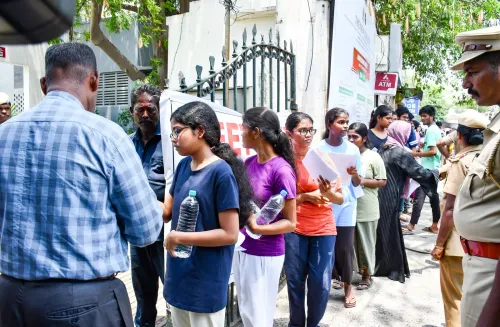
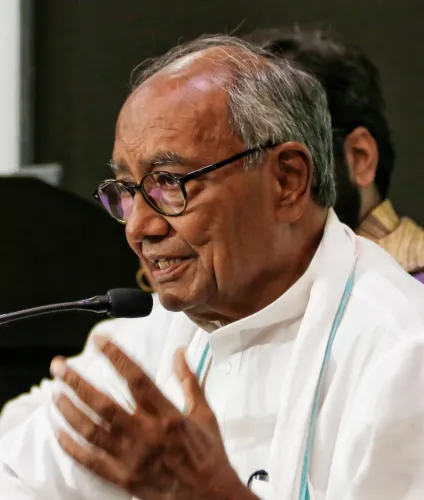
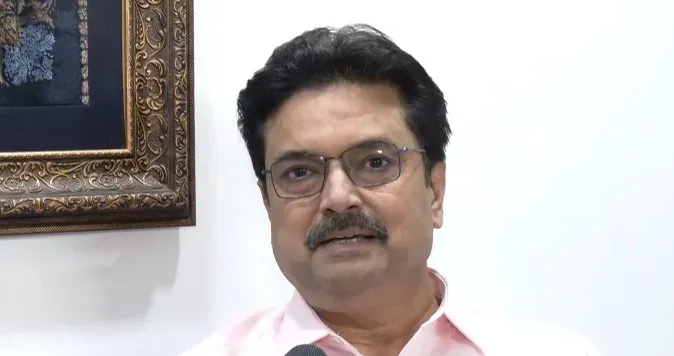
Delhi University Vice Chancellor Yogesh Singh on 16 May said that transitioning NEET-UG to a computer-based format requires careful evaluation, warning that no technological overhaul will resolve the crisis unless the organised networks behind repeated paper leaks are dismantled. His remarks come after the National Testing Agency (NTA) rescheduled the NEET-UG 2026 examination to 21 June, following the cancellation of the 3 May exam amid widespread allegations of a paper leak.
What the DU Vice Chancellor Said
Speaking on the proposed shift to Computer-Based Test (CBT) mode, Singh acknowledged the Education Minister's announcement but urged caution. “As of now, the exam for June 21 has been declared. There will definitely be a discussion on how things should be conducted going forward. The Education Minister has announced that the next examination will be a computer-based test. There are many separate aspects to this, also, which all of us will have to examine. Because cyber attacks happen very frequently,” he said.
Singh went further, arguing that systemic reform must accompany any format change. “We may create new systems, but until these gangs and groups are broken, challenges will continue to remain for us. I am fully confident that this time the matter will be taken to the root, and until these people are frightened and stopped, they will continue creating obstacles in improving the system somewhere or the other,” he added.
Accountability at the NTA
The DU Vice Chancellor demanded exemplary punishment for any NTA official found complicit in the leak. “If someone there has any role in this leak, there should be exemplary punishment for them. This should be investigated immediately,” Singh said. While acknowledging limited knowledge of the NTA's internal structure, he was unequivocal on responsibility: “They were conducting this test, so it is their responsibility to ensure that such breaches do not occur.”
Government's Response and Re-exam Details
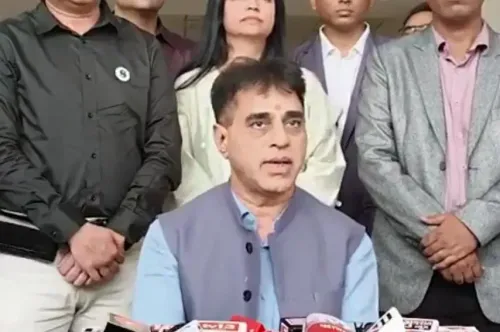
Union Education Minister Dharmendra Pradhan announced that the 21 June re-examination will be extended by 15 minutes, running from 2:00 PM to 5:15 PM IST, and that admit cards will be issued by 14 June. The re-exam will be conducted in offline mode across the country and will be free of cost, with examination fees refunded to all candidates.
To ease logistical pressure, the NTA will allow students to select their preferred examination city one week before the test. The minister also said transportation arrangements would be made where feasible, given prevailing weather conditions. Starting from next year, NEET-UG will shift to CBT mode, Pradhan confirmed.
The Central Bureau of Investigation (CBI) has been tasked with a detailed probe to identify the source of the breach and map the full extent of the conspiracy. Pradhan warned that any attempt to undermine examination integrity would invite severe consequences.
On the Protests
Addressing the demonstrations that followed the exam's cancellation, Singh appealed for restraint. “NTA has now announced the new date; the exam will be held on June 21. Even earlier, I did not feel there was any need for protest, and even today, I would say there is no need for it, because this is a sensitive subject. It is connected to the future of our students,” he said.
Singh defended the government's decision to cancel the original exam, stating that allowing a compromised paper to stand would have been a grave injustice to sincere candidates. “The government took the correct decision,” he asserted, urging students to stay focused and parents to ensure a stress-free environment ahead of the re-examination.
What Happens Next
With the CBI investigation underway and the re-exam set for 21 June 2026, the immediate focus shifts to securing the examination chain and preventing a repeat breach. The proposed move to CBT from next year adds a longer-term dimension, but as Singh cautioned, the technology is only as secure as the networks it replaces — and those networks, he insists, must be broken first.
Point of View
It is the ecosystem of brokers, insiders, and institutional gaps that enable leaks. The NTA's credibility is now structurally damaged; a date change and a CBI referral are necessary but not sufficient. What is missing from the public discourse is a hard audit of the NTA's procurement, printing, and distribution chain — the nodes where past leaks have consistently originated. Until that audit is public and its findings acted upon, the CBT pivot risks being another process change that leaves the underlying rot untouched.
NationPress
20 Sept 2026
Frequently Asked Questions
Why was the NEET-UG 2026 exam cancelled and rescheduled?
The NEET-UG 2026 exam, originally scheduled for 3 May, was cancelled by the NTA following widespread allegations of a paper leak. The re-examination has been rescheduled to 21 June 2026 in offline mode across the country.
What did Delhi University VC Yogesh Singh say about the NEET CBT shift?
Singh said the transition to a computer-based format requires careful examination and warned that technological changes alone will not resolve the crisis. He stressed that the organised networks behind paper leaks must be dismantled first, or challenges will persist regardless of the format.
What are the details of the NEET-UG 21 June re-examination?
The re-exam will be held on 21 June 2026 in offline mode from 2:00 PM to 5:15 PM IST — 15 minutes longer than the standard duration. It will be conducted free of cost, with examination fees refunded. Admit cards will be issued by 14 June, and candidates can choose their preferred exam city one week before the test.
Who is investigating the NEET-UG paper leak?
The Central Bureau of Investigation (CBI) has been tasked with a detailed investigation to identify the source of the breach and determine the full extent of the conspiracy, as announced by Union Education Minister Dharmendra Pradhan.
When will NEET-UG shift to computer-based test mode?
Union Education Minister Dharmendra Pradhan announced that NEET-UG will move to Computer-Based Test (CBT) mode starting from next year, i.e., from the 2027 cycle onwards. The 21 June 2026 re-examination will still be conducted in offline mode.