NEET to go computer-based from next year, says Dharmendra Pradhan

Synopsis
India's most contested medical entrance exam is going digital. After the NEET paper leak forced a mass cancellation and left lakhs of students in limbo, Education Minister Dharmendra Pradhan has announced a full shift to computer-based testing from next year — and a re-examination on 21 June with fee refunds and city-choice flexibility for affected students.
Key Takeaways
NEET will shift to a computer-based examination model from next year, announced Education Minister Dharmendra Pradhan on 15 May .
The decision follows the NEET paper leak scandal that forced exam cancellation, affecting lakhs of students .
The CBI has launched a detailed, multi-level probe into the breach.
NEET re-examinations will be held on 21 June ; admit cards to be issued by 14 June .
Students will get a one-week window to choose their preferred exam city and 15 extra minutes for OMR sheet filling.
Examination fees will be fully refunded ; no extra charges for the re-examination.
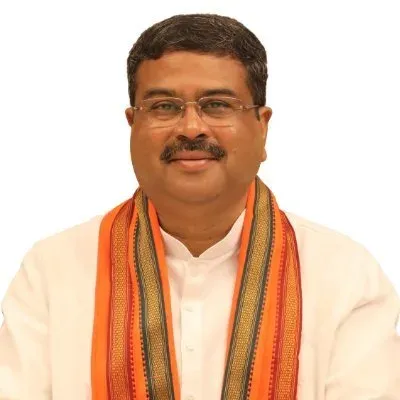
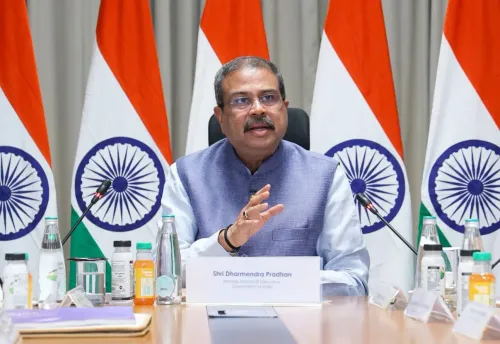
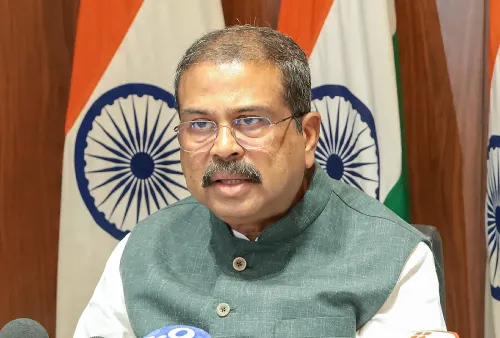
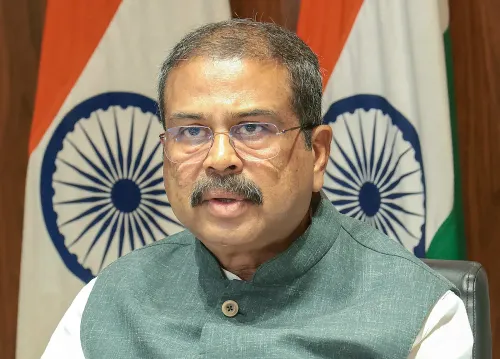
Union Education Minister Dharmendra Pradhan on Friday, 15 May announced that the National Eligibility cum Entrance Test (NEET) will transition to a computer-based examination model starting next year, marking a decisive shift away from the paper-based format that has been at the centre of a major leak controversy.
Why the shift is happening now
The announcement comes directly in the wake of the NEET paper leak scandal, which forced the cancellation of the examination and left lakhs of students anxious, angry, and uncertain about their futures. Addressing a press conference in New Delhi, Pradhan acknowledged that a breakdown had occurred somewhere in the chain of command, even as he maintained that the recommendations of the Radhakrishnan Committee had been implemented.
He described the battle against examination malpractice as a 'long and sustained fight' against what he called the education mafia operating in the country.
CBI probe and accountability
The Central Bureau of Investigation (CBI) has already launched a detailed, multi-level probe into how the breach occurred. Pradhan said investigators would soon determine how miscreants managed to compromise what was described as a 'fool-proof' system. He assured students that corrective steps are actively being undertaken to strengthen the examination infrastructure.
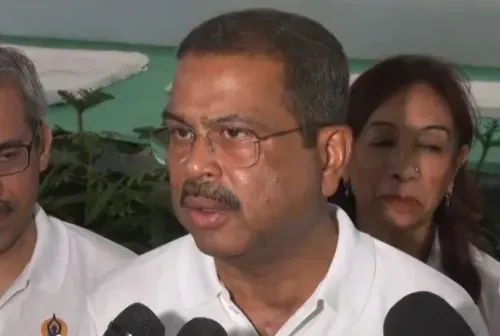
'The entire government machinery will ensure no malpractices happen this time,' Pradhan stated at the press conference.
Re-examination details
The National Testing Agency (NTA) will conduct NEET re-examinations on 21 June, approximately one month after the original exams were held. Admit cards will be dispatched to all eligible candidates by 14 June. Aspirants will also be given a one-week window to select their preferred city for the re-examination — a concession aimed at easing logistical burden on students.
Additionally, students will receive 15 extra minutes to fill in their OMR sheet details. The NTA has also confirmed that examination fees will be fully refunded and no additional charges will be levied for the re-examination.
What this means for NEET aspirants
The move to a computer-based format is widely seen as a structural safeguard against paper leaks, which are inherently impossible in a fully digital examination environment. However, the transition also raises questions about digital infrastructure readiness across smaller cities and rural examination centres, where reliable connectivity and hardware access remain uneven. This is not the first time a major competitive examination in India has faced calls for digitisation — the Joint Entrance Examination (JEE) and several state-level tests have already made the shift. The NEET move, if executed effectively, could set a new standard for high-stakes medical entrance testing in the country.
With the re-examination scheduled for 21 June and a broader structural overhaul underway, the coming weeks will be a critical test of the government's resolve to rebuild trust in the examination system.
Point of View
But the prescription arrives late and without a delivery timeline. Moving online eliminates paper leak risk, but it shifts the vulnerability — to server security, digital impersonation, and infrastructure gaps in Tier-3 cities where many aspirants are based. Pradhan's admission of a 'breakdown in the chain of command' is significant: it implicitly concedes that the Radhakrishnan Committee's recommendations alone were not enough. The CBI probe will matter only if it leads to prosecutions, not just arrests. India has a pattern of post-scandal reforms that generate headlines but not convictions. The students who lost months of preparation deserve more than a re-examination date — they deserve a system that does not need to be rebuilt after every crisis.
NationPress
28 Sept 2026
Frequently Asked Questions
When will NEET shift to a computer-based format?
Education Minister Dharmendra Pradhan announced on 15 May that NEET will move to a computer-based examination model from next year. No specific date for the full transition has been disclosed yet.
Why is NEET being moved online?
The shift follows the NEET paper leak scandal, which forced the cancellation of the examination and left lakhs of students affected. The computer-based format is designed to eliminate the risk of physical paper leaks.
When is the NEET re-examination scheduled?
The NTA will hold NEET re-examinations on 21 June, roughly one month after the original exams. Admit cards will be issued to all eligible candidates by 14 June.
What relief has been offered to affected NEET students?
Students will receive a full refund of their examination fees and will not be charged for the re-examination. They will also get a one-week window to choose their preferred exam city and 15 extra minutes to fill in OMR sheet details.
What is the status of the investigation into the NEET paper leak?
The Central Bureau of Investigation (CBI) has launched a detailed, multi-level probe into the breach. Pradhan said the CBI would soon determine how the examination system was compromised and identify those responsible.