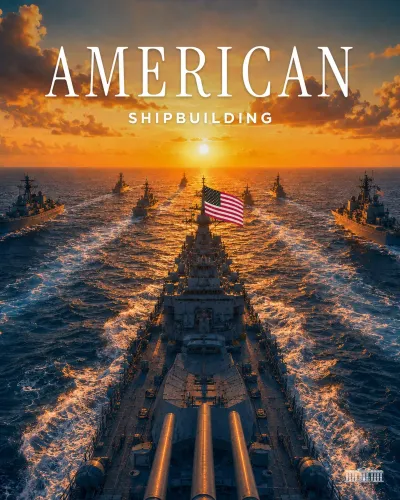
Trump opens US Navy shipbuilding to foreign allies in sweeping overhaul
Synopsis
Trump's naval memorandum isn't just a procurement tweak — it's a structural admission that America can no longer build its own fleet fast enough. By letting foreign shipbuilders in for the first two hulls per class, while demanding US yard investment and tech transfer, the administration is betting on a managed dependency to close a gap it cannot close alone. The plan for a fifth public shipyard, the first in over 80 years, signals the scale of the deficit.
Key Takeaways
President Trump signed a memorandum on 14 August allowing foreign companies to build the first two vessels per selected US Navy ship class.
Foreign participants must invest in US shipyards , transfer technology, and train American workers; all subsequent ships must be built in the United States .
The policy is based on the 'Finland Model' , first applied to medium icebreakers in October 2025 , and covers up to three ship classes .
The Secretary of War must submit a surface combatant acquisition plan within 90 days ; a CVN-81 systems review is due in 60 days .
A fifth public Navy shipyard — the first in over 80 years — is proposed near the Pacific Fleet, with site options due in 120 days .
Six major Navy shipbuilding programmes currently carry large order backlogs, underpinning the urgency of the overhaul.
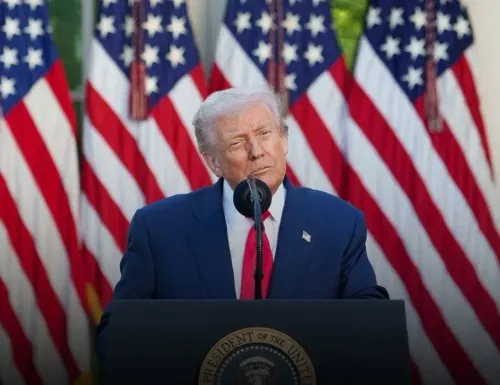
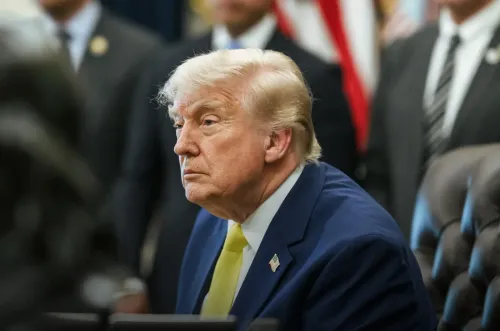
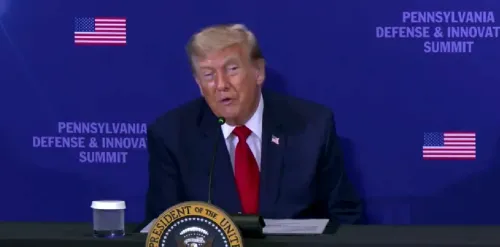
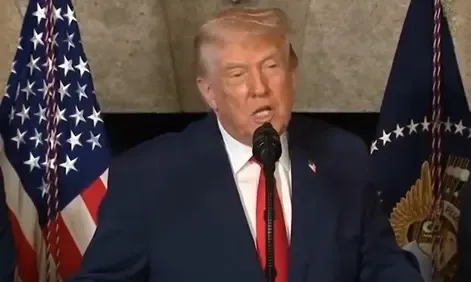
US President Donald Trump has signed a presidential memorandum opening the door for foreign companies to build vessels for the US Navy, as part of a broad push to revitalise America's shipbuilding industry, accelerate naval expansion, and clear significant construction backlogs. The directive, signed on Thursday, 14 August, marks one of the most consequential shifts in American naval procurement policy in decades.
Key Provisions of the Memorandum
Under the memorandum, overseas suppliers are permitted to build the first two vessels in selected ship classes, provided they meet stringent conditions. Foreign participants must invest in US shipyards, transfer technology, and train American workers. All subsequent vessels in those classes must be built within the United States.
Foreign companies must also either establish a new American shipyard or acquire a controlling stake in an existing one, and must create a domestic supply chain for ship construction and maintenance. The approach is modelled on what the administration calls the 'Finland Model', first adopted in October 2025 for medium icebreakers. It applies to up to three classes of Navy and support vessels, including surface combatants, tankers, and roll-on, roll-off ships.
What the Government Said
President Trump, in the memorandum, stated: 'The Department of War shall restore both capacity and competition to the maritime industrial base as it expands our naval force structure.' The administration attributed persistent cost overruns, delays, and programme cancellations to complex designs and repeated specification changes. It noted that six major Navy shipbuilding programmes currently carry large order backlogs, and that the country's commercial shipbuilding sector is not globally competitive.
The memorandum directs the Secretary of War to submit an acquisition plan for new surface combatants within 90 days. Proposed vessels must be capable of conducting anti-submarine warfare, surface warfare, and convoy escort missions. Crucially, the Navy will be barred from making repeated changes to mature foreign designs selected under the programme — any alteration will require approval from the Secretary of War, in consultation with senior Navy, White House, and budget officials.
National Security Waivers and Congressional Oversight
Trump has also delegated authority to the Secretary of War to approve national security waivers permitting military vessels to be built in foreign shipyards. Congress must be notified before any contract is signed, and a 30-day waiting period applies after lawmakers receive the formal determination.
A separate directive within the order instructs officials to prepare, within 60 days, a plan to replace electromagnetic aircraft-launch equipment and advanced weapons elevators aboard the future aircraft carrier CVN-81 with traditional steam and hydraulic systems.
Fifth Public Shipyard and Submarine Infrastructure
The memorandum also calls for the establishment of a fifth public Navy shipyard — the first in more than 80 years. Officials have 120 days to propose locations near the Pacific Fleet, with options including Alaska, Hawaii, US territories, and the continental United States. The planned facility could include as many as three dry docks capable of servicing every current and projected submarine class, with private-sector participation and public-private financing arrangements also under consideration.
A new component repair centre will handle parts for the Los Angeles, Virginia, Seawolf, Ohio, and Columbia submarine classes. A separate review will recommend reforms to the Naval Sea Systems Command, with an emphasis on faster deliveries, reduced bureaucracy, and greater accountability.
What Comes Next
The memorandum's cascading deadlines — 60, 90, and 120 days — will set the pace for implementation. Whether allied nations with advanced shipbuilding capacity, such as South Korea and Japan, move to participate under the framework remains to be seen. The policy represents a significant, if conditional, departure from longstanding domestic-build requirements, and its execution will be closely watched by both naval strategists and the defence industry.
Point of View
And the 'Finland Model' framing is doing a lot of political work to make it palatable. The 90-day acquisition plan deadline and the freeze on design changes to foreign hulls suggest the administration has learned from the costly specification-creep that plagued programmes like the Littoral Combat Ship. But the real test is whether the technology-transfer and domestic-investment conditions are enforceable, or whether they become the kind of waivable fine print that dilutes the policy's intent over time.
NationPress
14 Aug 2026
Frequently Asked Questions
What did Trump's Navy shipbuilding memorandum do?
President Trump signed a memorandum on 14 August permitting foreign companies to build the first two vessels in selected US Navy ship classes, provided they invest in US shipyards, transfer technology, and train American workers. All subsequent ships in those classes must be built in the United States.
What is the 'Finland Model' referenced in the memorandum?
The 'Finland Model' is a procurement approach first adopted in October 2025 for medium icebreakers, which allows foreign shipbuilders to supply initial vessels while committing to domestic investment and technology transfer. The new memorandum extends this model to up to three classes of Navy and support vessels.
Why is the US opening Navy shipbuilding to foreign companies?
The administration cited six major Navy shipbuilding programmes with large order backlogs, persistent cost overruns, delays, and a commercially uncompetitive domestic shipbuilding sector. The memorandum states that foreign sourcing is needed to bridge immediate capacity gaps while domestic infrastructure is rebuilt.
What is the plan for a fifth public Navy shipyard?
The memorandum directs officials to propose locations for a fifth public Navy shipyard within 120 days, with sites near the Pacific Fleet — including Alaska, Hawaii, US territories, and the continental United States — under consideration. It would be the first new public Navy shipyard in more than 80 years and could include up to three dry docks for submarine servicing.
What oversight does Congress have over the new policy?
Congress must be notified before any contract is signed under national security waivers that permit vessels to be built in foreign shipyards. A mandatory 30-day waiting period applies after lawmakers receive the formal determination, ensuring legislative visibility over individual procurement decisions.