Trump signs aluminium tariff incentive to boost US smelter investment
Synopsis
Trump has flipped the tariff script on aluminium — instead of just penalising imports, his new proclamation offers companies a 50% tariff discount if they commit to building or expanding US smelters by 2029. It is a rare blend of trade stick and investment carrot, driven by a national security argument that US defence systems cannot afford to rely on foreign primary aluminium.
Key Takeaways
President Trump signed a proclamation on 21 July creating a tariff incentive programme for US primary aluminium smelter investment.
Approved companies can import primary aluminium at half the standard Section 232 tariff rate in exchange for verified onshoring commitments.
All approved projects must commit to beginning construction by 20 January 2029 .
The Commerce Department will evaluate proposals, monitor compliance, and can revoke benefits — including retroactively — for fraud or misrepresentation.
The administration cites defence needs — armoured vehicles, naval vessels, spacecraft, and missiles — as the core national security justification.
The move extends the administration's broader Section 232 strategy, which has previously covered steel, copper, automobiles, and pharmaceuticals.
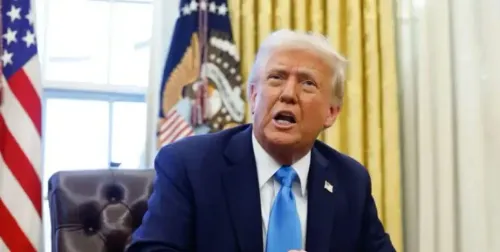
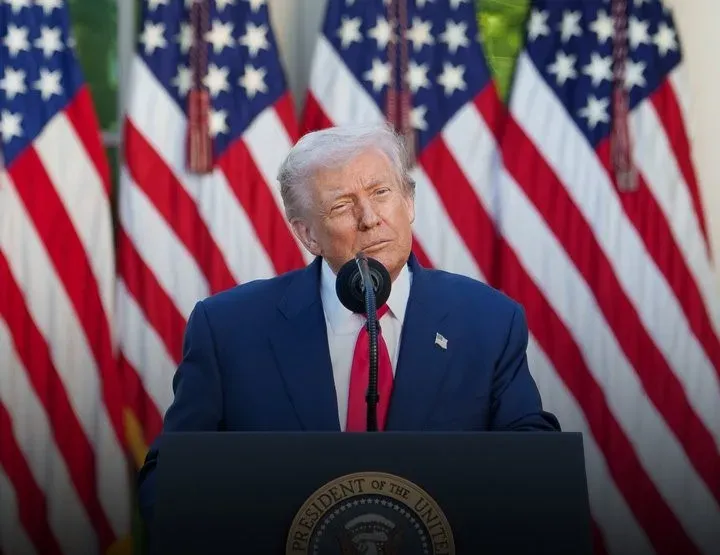
US President Donald Trump on 21 July signed a proclamation establishing a new tariff incentive programme under Section 232 of the Trade Expansion Act of 1962, designed to encourage companies to build, expand, or refurbish primary aluminium smelters in the United States. The move, the White House said, is intended to strengthen the country's industrial base and address national security vulnerabilities tied to import dependence.
How the Programme Works
Under the scheme, companies that submit and receive approval for onshoring investment plans will be permitted to import a corresponding volume of primary aluminium at a reduced tariff rate equal to half of the otherwise applicable Section 232 duty. The Secretary of Commerce has been directed to administer the programme, evaluate proposals, and monitor compliance.
Approved projects must include a commitment to begin construction by 20 January 2029. The Commerce Department will assess proposals on the basis of project timelines, expected production capacity, and the reasonableness of projected costs before granting approval.
National Security Rationale
The administration has framed the initiative explicitly around defence readiness. According to the White House, primary aluminium is a critical input for military systems including armoured vehicles, naval vessels, spacecraft, and missiles. Officials noted that advanced aluminium alloys required for such systems can only be manufactured using primary aluminium — and that current US demand for the metal exceeds domestic smelting capacity.
In the proclamation, Trump stated he had concluded that 'it is necessary and appropriate to establish an investment incentive program for companies investing in new U.S. production capacity for primary aluminum,' adding that the changes would ensure 'the tariff regime imposed on imports of aluminum continue to effectively address the national security threat.'
Compliance and Penalties
The proclamation includes strict accountability provisions. The Commerce Secretary is authorised to require periodic compliance reports and external audits where necessary. If a company is found to have engaged in fraud or deliberately misled officials regarding its onshoring commitments, tariff benefits may be withdrawn retroactively, and additional duties, fines, or penalties may be imposed under applicable law.
Broader Context
The latest action builds on the Trump administration's wider use of Section 232 tariffs to protect industries deemed critical to national and economic security. Previous measures have covered steel, copper, automobiles, trucks, timber, lumber, and pharmaceuticals. This is the administration's latest pairing of tariff pressure with investment incentives to encourage domestic manufacturing expansion.
Notably, this approach marks a structural shift from purely punitive tariffs toward a carrot-and-stick model — where companies willing to reshore production can partially offset the cost of existing import duties. Whether that trade-off proves sufficient to attract large-scale smelter investment, given the capital intensity of aluminium production, remains to be seen.
Point of View
But the structural challenge remains unchanged: primary aluminium smelting is extraordinarily capital-intensive, energy-hungry, and slow to scale. Offering a tariff discount to companies that haven't yet broken ground by 2029 may not move the needle on capacity if power costs and permitting timelines remain prohibitive. The national security framing is credible — US smelter capacity has collapsed over two decades — but the real test is whether the incentive is large enough to justify billion-dollar commitments in a sector where global overcapacity, much of it Chinese, perpetually caps prices. The retroactive penalty clause is notably aggressive and signals the administration is serious about compliance, but it could also deter risk-averse investors from entering the programme at all.
NationPress
20 Oct 2026
Frequently Asked Questions
What is Trump's new aluminium tariff incentive programme?
It is a proclamation signed on 21 July that allows companies to import primary aluminium at half the standard Section 232 tariff rate if they commit to building, expanding, or refurbishing aluminium smelters in the United States. The Commerce Department will administer approvals and monitor compliance.
Why is the US government pushing for more domestic aluminium production?
The administration argues that US demand for primary aluminium already exceeds domestic smelting capacity, creating a national security risk. Primary aluminium is a key input for military systems including armoured vehicles, naval vessels, spacecraft, and missiles, and advanced alloys for these systems cannot be made without it.
What is the deadline for companies to qualify for the programme?
Approved projects must include a commitment to begin construction by 20 January 2029. Companies must submit onshoring plans for evaluation by the Secretary of Commerce before receiving any tariff benefits.
What happens if a company fails to meet its commitments?
The Commerce Department can revoke tariff benefits, including retroactively, if a company fails to fulfil its obligations or is found to have misrepresented its plans. Companies that engage in fraud may also face additional duties, fines, or other penalties under applicable law.
How does this fit into the broader Trump trade policy?
The programme extends the administration's use of Section 232 of the Trade Expansion Act of 1962, which has previously been applied to steel, copper, automobiles, trucks, timber, lumber, and pharmaceuticals. It reflects a shift toward pairing tariff pressure with investment incentives rather than relying solely on punitive duties.