BRICS Delhi Summit 2026: India eyes major diplomatic gains on September 12-13
Synopsis
India has held over 350 meetings to build its BRICS agenda — yet a former diplomat's analysis warns that global expectations for the 12-13 September Delhi Summit remain low. The gap between India's intensive groundwork and the world's muted anticipation is the real story of New Delhi's 2026 BRICS presidency.
Key Takeaways
India's 18th BRICS Summit is scheduled for 12-13 September 2026 in New Delhi .
India assumed the BRICS chair in January 2026 and has organised over 350 official engagements under its presidency.
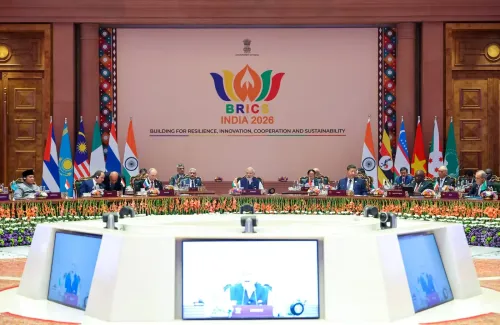
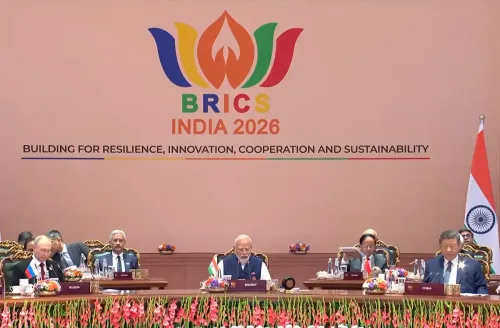
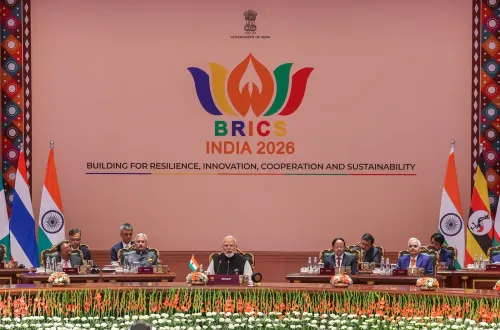
The presidency theme is 'Building for Resilience, Innovation, Cooperation, and Sustainability' .
Former diplomat Rajiv Bhatia , writing for the Politeia Research Foundation , says global expectations from the summit remain low despite India's efforts.
PM Modi has framed India's BRICS presidency as a continuation of its Global South -first approach from the G20 Summit in September 2023 .
BRICS is described as central to India's foreign policy for preserving strategic autonomy and deepening ties with Emerging Markets and Developing Countries (EMDCs) .
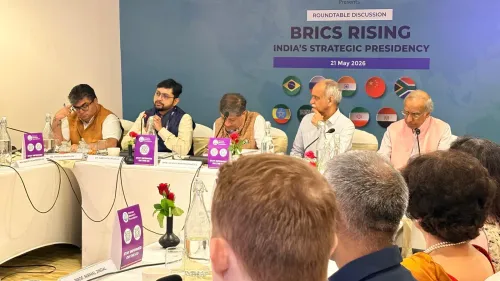
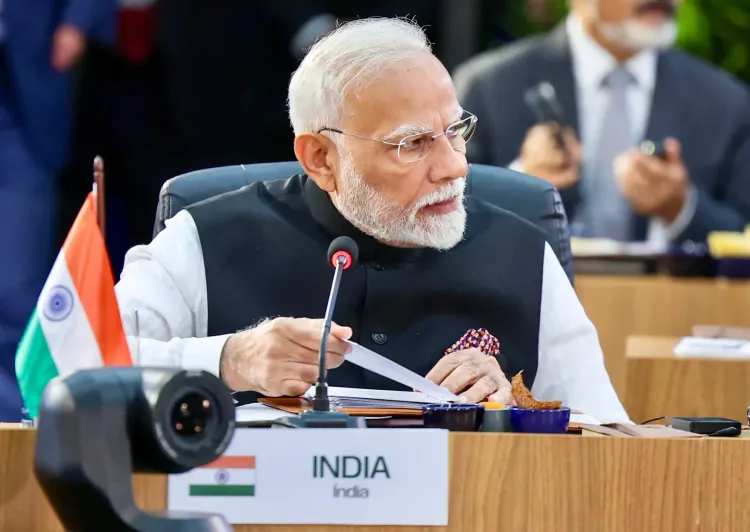
India's 18th BRICS Summit, scheduled for 12-13 September 2026 in New Delhi, is expected to deliver significant diplomatic outcomes as the country wraps up a presidency marked by over 350 official engagements spanning ministers, think tanks, civil society, and business bodies. A detailed analysis by a former Indian diplomat underscores BRICS's growing centrality to New Delhi's foreign policy calculus, even as global expectations from the annual gathering remain tempered by geopolitical turbulence.
BRICS and India's Strategic Autonomy
According to the analysis published by the Politeia Research Foundation (PRF), BRICS provides India a platform to preserve strategic autonomy, consolidate its leadership role in the Global South, and deepen cultural, economic, and diplomatic ties with key countries and regions. Former Indian diplomat Rajiv Bhatia, the report's author, describes the grouping as occupying 'a special place' in 21st-century global governance architecture — despite being an informal forum rather than a treaty-based organisation.
Bhatia acknowledges the divergence among analysts: 'Some dismiss the grouping as a talk shop, while others are convinced that its composition, philosophy, and ambition warrant special attention.' His own assessment leans toward the latter, noting that BRICS has played a significant role in world affairs at a time when other plurilateral bodies such as the G20, G7, and SCO have struggled to gain prominence.
India's Presidency: Scale and Ambition
India assumed the BRICS chair in January 2026 and has since driven an ambitious agenda under the theme 'Building for Resilience, Innovation, Cooperation, and Sustainability'. The seven priorities embedded in this theme have shaped official consultations and the documents emerging from them, reflecting a deliberate effort to deepen and diversify practical cooperation among member states.
Bhatia notes that Indian officials have drawn on their experience hosting the G20 Summit in September 2023 to position the Delhi BRICS Summit as a major international event. However, he points out a notable shift in approach: unlike the G20, where India prominently pushed the 'People's G20' branding, New Delhi has refrained from adopting a comparable mass-outreach framing for BRICS.
What Prime Minister Modi Has Said
Prime Minister Narendra Modi has framed India's BRICS presidency in continuity with its G20 stewardship. As quoted in Bhatia's report: 'Just as we brought inclusivity to our G20 Presidency and placed the concerns of the Global South at the forefront of the agenda, similarly, during our Presidency of BRICS, we will advance this forum with a people-centric approach and the spirit of ‘Humanity First’.'
The framing signals that New Delhi intends to use BRICS as a vehicle for amplifying the voice of Emerging Markets and Developing Countries (EMDCs) — a constituency India has increasingly sought to lead on the global stage.
Challenges and Tempered Expectations
Despite India's intensive groundwork, Bhatia cautions that 'given the turbulence and tensions on the international scene today, expectations from the annual gathering of BRICS nations are low.' The grouping itself faces serious internal challenges, including the complexity of integrating new member states and navigating divergent geopolitical interests among its core members.
This is the first BRICS summit hosted by India and comes at a moment when the bloc's expanded membership and evolving agenda are being tested by a fractured global order. How the Delhi Declaration is received — and whether it moves beyond aspirational language to concrete deliverables — will be the key measure of India's presidency.
What Comes Next
All eyes will be on the outcomes of the 12-13 September summit, particularly any joint statements on trade, multilateral reform, and Global South priorities. The summit's success or otherwise will also shape India's positioning ahead of future multilateral engagements. Analysts will watch whether the Delhi Declaration translates BRICS's expanding ambitions into verifiable commitments.
Point of View
The sharper the contrast if the Delhi Declaration produces only aspirational language. BRICS has always struggled to convert its rhetorical weight into binding outcomes, and the bloc's expanded membership has made consensus harder, not easier. India's pivot away from a 'People's BRICS' mass-branding exercise is telling — it suggests New Delhi has recalibrated expectations internally even as it pushes for a headline-worthy summit externally. The real dividend from Delhi may not be the joint statement, but India's consolidation of its convening credibility among the Global South.
NationPress
20 Oct 2026
Frequently Asked Questions
When and where is the 2026 BRICS Summit being held?
The 18th BRICS Summit is scheduled for 12-13 September 2026 in New Delhi, under India's presidency. India assumed the BRICS chair in January 2026.
What is India's theme for its BRICS presidency?
India's presidency theme is 'Building for Resilience, Innovation, Cooperation, and Sustainability.' The seven priorities embedded in this theme have guided official consultations and documents throughout India's tenure as chair.
What diplomatic outcomes are expected from the Delhi BRICS Summit?
The summit is expected to yield significant diplomatic dividends, according to an analysis by former diplomat Rajiv Bhatia for the Politeia Research Foundation. However, Bhatia also notes that given current global turbulence, broader international expectations from the summit remain low.
How has India prepared for the BRICS Summit?
India has organised over 350 meetings with officials, ministers, think tanks, civil society, and business organisations since assuming the BRICS chair in January 2026. Indian officials have also drawn on their G20 hosting experience from September 2023 to shape the summit's scale and ambition.
What role does BRICS play in India's foreign policy?
BRICS is central to India's foreign policy as a platform to preserve strategic autonomy, advance its leadership among Emerging Markets and Developing Countries (EMDCs), and deepen economic and diplomatic engagement globally. PM Modi has linked India's BRICS approach to the Global South-first agenda it championed during its G20 presidency.