BRICS New Delhi Declaration reaffirms cultural, people-to-people cooperation at 18th Summit
Synopsis
The 18th BRICS Summit's New Delhi Declaration goes beyond boilerplate — it puts cultural heritage restitution, women-led development, and labour cooperation on a formal multilateral agenda. Under India's 2026 chairship, the bloc signalled a widening of its mandate from economic coordination to civilisational engagement.
Key Takeaways
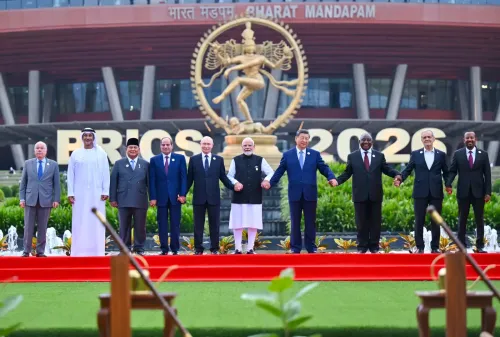
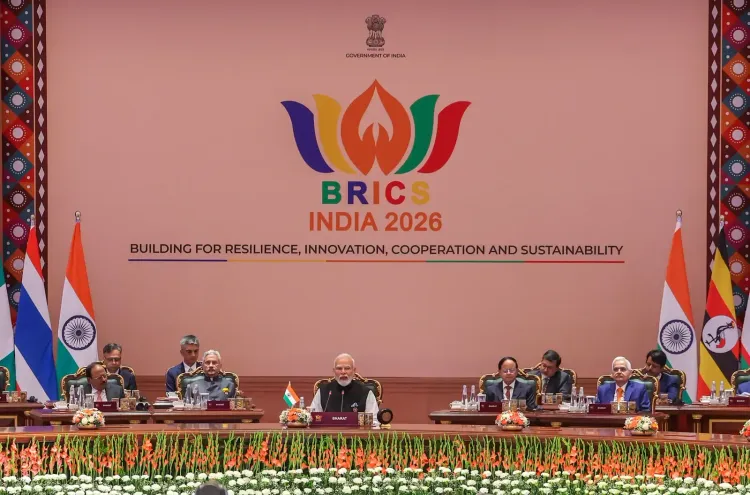
BRICS leaders adopted the New Delhi Declaration at the 18th Summit on 12 September 2026 , reaffirming cultural and people-to-people cooperation.
The Bhopal Declaration on cultural heritage protection was endorsed, with a call for restitution of cultural property to countries of origin.
Outcomes of the BRICS Women Ministerial Meeting in Kochi and the 13th Education Ministers' Meeting in Bhubaneswar were formally welcomed.
Tourism, sport, and youth were recognised as drivers of sustainable development and people-to-people exchanges.
India's 2026 BRICS Chairship was commended by all member states.
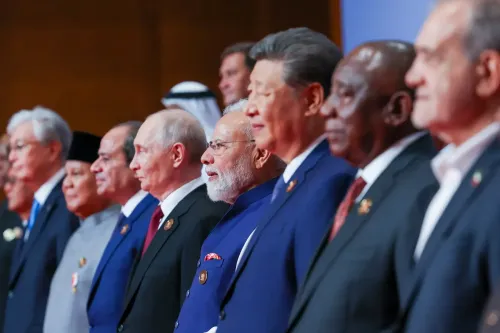
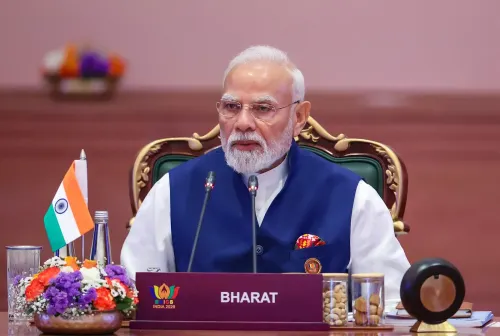
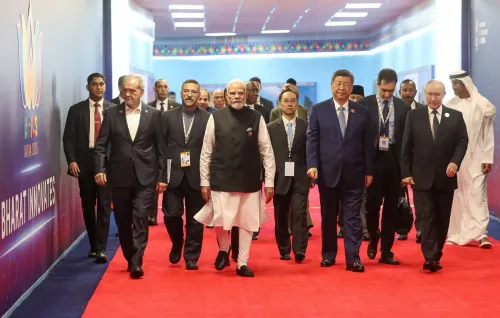
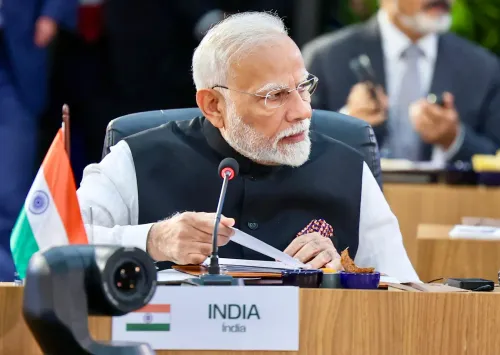
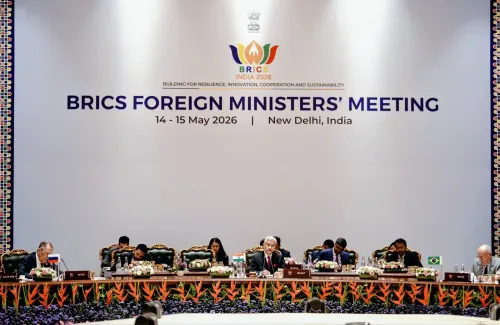
Leaders of the BRICS bloc on Saturday, 12 September adopted the New Delhi Declaration at the 18th BRICS Summit, reaffirming their commitment to strengthening cultural ties and people-to-people cooperation across the expanded grouping. The declaration, issued from New Delhi under India's 2026 chairship, spans education, tourism, youth engagement, labour markets, sport, and the protection of cultural heritage.
Key pillars of the New Delhi Declaration
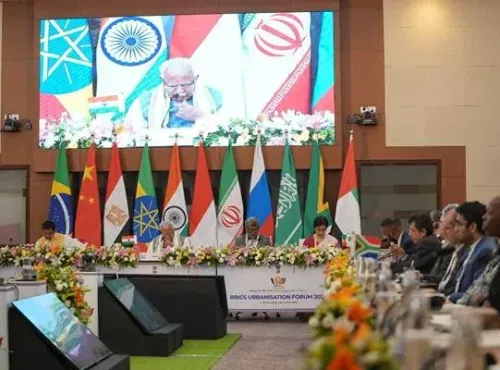
The joint statement underscored the importance of people-to-people exchanges in deepening mutual understanding, friendship, and cooperation among BRICS nations. Leaders welcomed a broad array of platforms convened during India's presidency — including the Parliamentary Forum, BRICS Business Council, Business Forum, Women's Business Alliance, Youth Council, Youth Summit, Think Tank Council, Academic Forum, Civil Council, and the Meeting of Deans of Diplomatic Academies, among others.
The declaration called for greater respect for the diversity of cultures, innovation, and creativity, and jointly advocated for robust international people-to-people exchanges. Leaders also recalled the adoption of UN General Assembly Resolution A/RES/78/286, which established the 'International Day for Dialogue among Civilisations'.
Women-led development and education
The summit welcomed outcomes from the BRICS Women Ministerial Meeting held in Kochi, anchored in a vision of women-led and all-round development. On education, leaders endorsed the results of the 13th BRICS Education Ministers' Meeting in Bhubaneswar, reaffirming cooperation in education as a key driver of sustainable development, inclusive growth, and people-to-people ties.
The declaration also urged the strengthening of BRICS labour cooperation, calling for investments in human capital, the promotion of high-quality and productive employment, and people-centred labour markets that advance sustainable and inclusive development.
Cultural heritage protection and the Bhopal Declaration
Leaders adopted the Bhopal Declaration at the 11th BRICS Culture Ministers' Meeting, reaffirming culture's role in fostering ties among member nations. The joint declaration placed particular emphasis on the protection of cultural heritage — especially in conflict-affected regions — and called for measures to prevent the destruction and illicit trafficking of cultural property.
'We call for the protection of cultural heritage, including in regions affected by conflict, to prevent the destruction and illicit trafficking of cultural property, which is vital for preserving the history and identity of affected communities,' the leaders stated, adding a call for the restitution and repatriation of cultural heritage, antiquities, and objects of spiritual and historical value to their countries of origin.
Tourism, sport, and youth engagement
Recognising tourism as a driver of economic growth, employment generation, and heritage preservation, the declaration acknowledged the immense potential within BRICS nations for sustainable and resilient tourism, including the promotion of ecotourism in line with the Sustainable Development Goals.
The statement highlighted sport as a vehicle for social development and healthy societies, commending progress under the BRICS Sports Working Group and the implementation of a Memorandum of Understanding on Cooperation in Physical Culture and Sport.
Youth were recognised as drivers of resilience, innovation, and sustainable development. Leaders welcomed discussions at the BRICS Ministerial for Youth Affairs and commended the BRICS Youth Council and Youth Summit for strengthening meaningful engagements.
India's chairship commended
The declaration concluded by commending India's BRICS Chairship in 2026 and expressing gratitude to the government and people of India for hosting the 18th Summit in New Delhi. This comes amid India's broader diplomatic push to position itself as a bridge between the Global South and major powers — a theme that has defined its multilateral engagements since the G20 presidency in 2023.
The full implementation of the declaration's commitments — particularly on heritage restitution and labour cooperation — will be closely watched as the BRICS chairship rotates next.
Point of View
Given that several BRICS members have historically resisted such frameworks at the UN level. Whether this language translates into bilateral action or remains declaratory will test the bloc's credibility. India's chairship has successfully broadened the BRICS agenda beyond macroeconomics, but execution gaps from previous presidencies — particularly on intra-BRICS trade facilitation — remain unresolved.
NationPress
28 Oct 2026
Frequently Asked Questions
What is the BRICS New Delhi Declaration 2026?
The New Delhi Declaration is a joint statement adopted at the 18th BRICS Summit on 12 September 2026 under India's chairship. It reaffirms commitments to cultural cooperation, people-to-people exchanges, education, tourism, youth engagement, and the protection of cultural heritage.
Which Indian cities hosted BRICS ministerial meetings in 2026?
Key ministerial meetings were held in Kochi (Women Ministerial Meeting), Bhubaneswar (13th Education Ministers' Meeting), and Bhopal (11th Culture Ministers' Meeting). The main 18th BRICS Summit took place in New Delhi.
What does the declaration say about cultural heritage?
The declaration calls for the protection of cultural heritage, especially in conflict-affected regions, and urges measures against the illicit trafficking of cultural property. It also calls for the restitution and repatriation of antiquities and culturally significant objects to their countries of origin.
Why does the declaration emphasise people-to-people cooperation?
BRICS leaders view people-to-people exchanges as foundational to mutual understanding and long-term cooperation beyond government-to-government ties. The declaration encompasses platforms ranging from parliamentary forums and business councils to youth summits and academic exchanges.
What is the significance of India's BRICS chairship in 2026?
India's 2026 chairship has broadened the BRICS agenda to include cultural heritage, women-led development, and labour cooperation alongside traditional economic themes. The summit declaration commended India's presidency and expressed gratitude for hosting the 18th Summit in New Delhi.