BRICS Foreign Ministers' Meet: India issues chair's statement amid West Asia rift
Synopsis
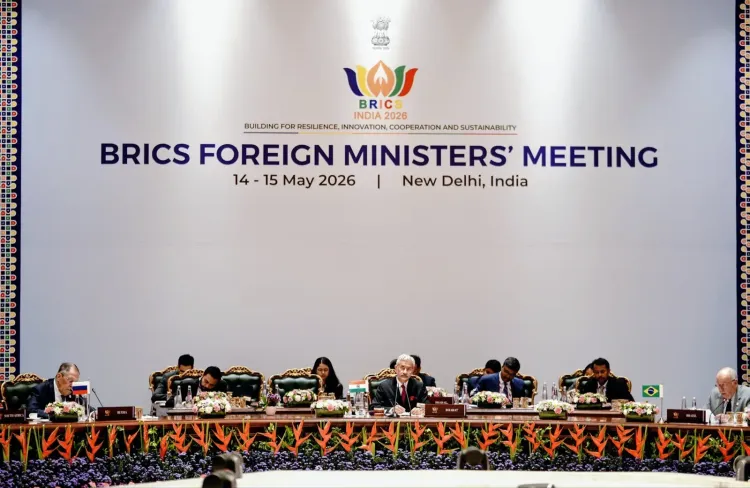
India chose a chair's statement over a joint communiqué at the BRICS Foreign Ministers' Meeting in New Delhi, openly acknowledging that members could not agree on the West Asia conflict. The meeting did, however, produce a unified condemnation of terrorism — including an explicit reference to the Pahalgam attack that killed 26 — and a renewed push for a UN Comprehensive Convention on International Terrorism.
Key Takeaways
India issued a chair's statement — not a joint communiqué — at the BRICS Foreign Ministers' Meeting in New Delhi on 15 May 2025 , citing member disagreements over West Asia .
Ministers strongly condemned all violations of international humanitarian law , including attacks on civilians and obstruction of humanitarian access.
The statement explicitly condemned the terrorist attack in Jammu and Kashmir (Pahalgam) that claimed 26 lives .
Members called for zero tolerance for terrorism and rejected double standards in counter-terrorism efforts.
Ministers pushed for expeditious adoption of the Comprehensive Convention on International Terrorism at the UN .
The split on West Asia mirrors earlier BRICS divisions over the Ukraine conflict , highlighting structural fault lines in the expanded grouping.
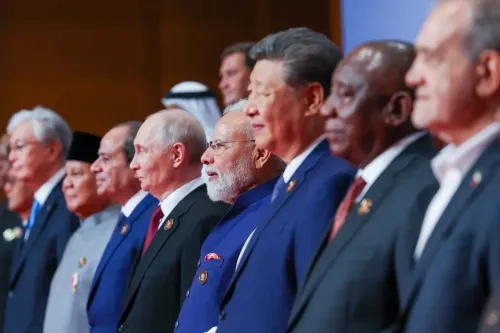
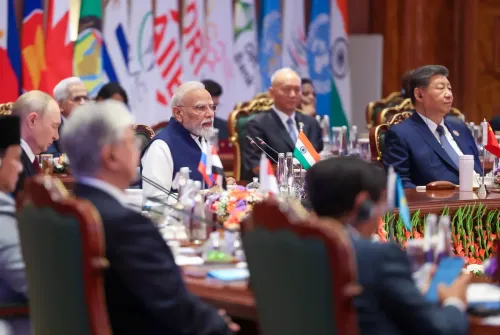
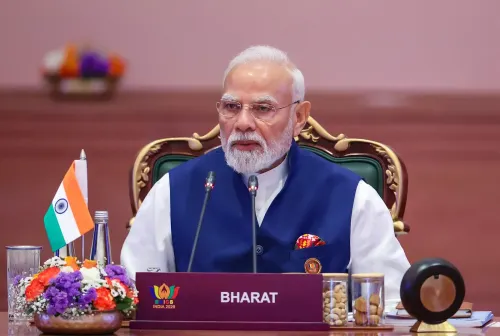
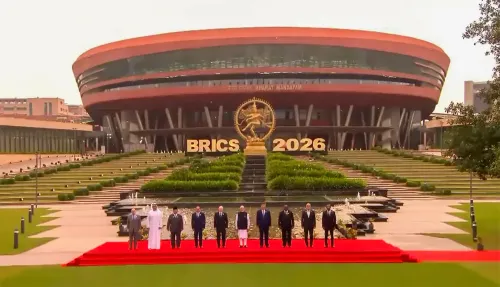
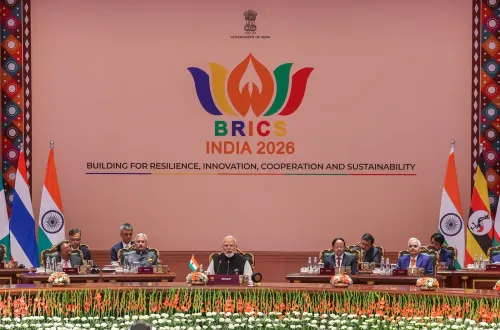
India on Friday, 15 May issued a chair's statement — rather than a consensus joint communiqué — at the close of the two-day BRICS Foreign Ministers' Meeting in New Delhi, citing irreconcilable differences among member nations over the ongoing conflict in West Asia and the Middle East. The move underscores the growing fault lines within the expanded BRICS grouping on geopolitical flashpoints.
Why a Chair's Statement, Not a Joint Communiqué
A chair's statement carries less diplomatic weight than a jointly adopted declaration, typically signalling that full consensus could not be reached. According to the statement released after the meeting, 'there were differing views among some members as regard to the situation in the West Asia/Middle East region.' Member nations expressed their respective national positions and shared a range of perspectives, including calls for an early resolution of the crisis, the value of dialogue and diplomacy, respect for sovereignty and territorial integrity, upholding international law, and the protection of civilian infrastructure and civilian lives. The impact of recent developments on the global economic situation was also stressed by many members.
Key Positions on Humanitarian Law
Despite the impasse on West Asia, the BRICS Foreign Ministers reaffirmed their collective commitment to strengthening multilateral cooperation to address humanitarian crises worldwide. They expressed concern at the diminishing scale of international humanitarian responses globally. The ministers strongly condemned all violations of international humanitarian law, including deliberate attacks against civilians and civilian infrastructure, the denial or obstruction of humanitarian access, and the targeting of humanitarian personnel. They also underlined the need for accountability for such violations.
Terrorism Condemned; Pahalgam Attack Cited
The ministers issued a unified condemnation of terrorism in all its forms, describing terrorist acts as 'criminal and unjustifiable, irrespective of their motivation, whenever, wherever and by whomsoever committed.' Notably, the statement explicitly condemned the terrorist attack in Jammu and Kashmir in April last year, which claimed 26 lives and injured several others — a direct reference to the Pahalgam attack that India had pushed to include. The ministers reaffirmed their commitment to combating terrorism in all its forms, including the cross-border movement of terrorists, terrorism financing, and safe havens. They stressed that terrorism must not be associated with any religion, nationality, civilisation, or ethnic group, and called for zero tolerance for terrorism, explicitly rejecting double standards in counter-terrorism efforts.
Counter-Terrorism Cooperation and UN Convention Push
The ministers welcomed the activities of the BRICS Counter-Terrorism Working Group (CTWG) and its five subgroups, operating under the BRICS Counter-Terrorism Strategy and Action Plan. They called for an expeditious finalisation and adoption of the Comprehensive Convention on International Terrorism within the UN framework — a long-pending initiative that India has championed for decades. The ministers also called for concerted actions against all UN-designated terrorists and terrorist entities, and stressed that global counter-terrorism efforts must fully comply with the UN Charter and relevant international conventions, including international human rights law and international refugee law.
What This Signals for BRICS Unity
The inability to issue a joint statement on West Asia reflects the structural tensions within an expanded BRICS that now includes nations with sharply divergent foreign policy alignments. This is not the first time BRICS has struggled to find common ground on active conflicts — similar fault lines emerged during discussions on the Ukraine war. India's decision to chair the statement rather than force a diluted joint text is widely seen as a pragmatic diplomatic choice that preserves its credibility as a neutral convener. How the grouping navigates these divisions ahead of the BRICS Summit later this year will be closely watched.
Frequently Asked Questions
Why did India issue a chair's statement instead of a joint statement at the BRICS Foreign Ministers' Meeting?
India issued a chair's statement because BRICS members could not reach consensus on the situation in West Asia and the Middle East, with differing national positions making a jointly adopted declaration impossible. A chair's statement records the range of views expressed without requiring full agreement from all members.
What did the BRICS ministers agree on regarding terrorism?
The ministers unanimously condemned terrorism as criminal and unjustifiable in all its forms, explicitly condemned the terrorist attack in Jammu and Kashmir (Pahalgam) that killed 26 people, and called for zero tolerance for terrorism and an end to double standards. They also pushed for the early adoption of the UN Comprehensive Convention on International Terrorism.
Which attack did the BRICS statement specifically condemn?
The statement condemned the terrorist attack in Jammu and Kashmir in April of the previous year, widely understood to be the Pahalgam attack, which claimed 26 lives and injured several others. This was a key diplomatic priority for India as the host nation.
What is the BRICS Counter-Terrorism Working Group?
The BRICS Counter-Terrorism Working Group (CTWG) is a dedicated body with five subgroups that coordinates counter-terrorism cooperation among BRICS members, operating under the BRICS Counter-Terrorism Strategy and Action Plan. The ministers welcomed its activities and called for deeper cooperation.
What does the failure to issue a joint statement mean for BRICS unity?
It signals growing fault lines within the expanded BRICS grouping, which now includes nations with sharply divergent foreign policy positions. Similar divisions emerged over the Ukraine conflict, suggesting that geopolitical disagreements are becoming a recurring challenge for the bloc ahead of its Summit later this year.