BRICS nations condemn Pahalgam attack, vow stronger counter-terrorism cooperation
Synopsis
All 10 BRICS nations formally condemned the Pahalgam terrorist attack at a New Delhi plenary — the first such meeting since the 22 April strike. With India holding the chairmanship, the bloc's collective condemnation carries diplomatic weight that extends well beyond a working-group communiqué, signalling multilateral pressure on cross-border terrorism at a tense moment in South Asia.
Key Takeaways
BRICS member countries collectively condemned the Pahalgam terrorist attack of 22 April 2025 at the 11th CTWG Plenary in New Delhi .
The meetings were held on 21–22 May 2025 under India's chairmanship , with senior officials from all 10 BRICS member countries present.
The plenary marked 10 years of the BRICS Counter Terrorism Working Group.
Ambassador Sibi George reiterated India's zero-tolerance policy on terrorism and raised concerns over cross-border terrorism.
Discussions covered terror financing, radicalisation, and the use of emerging technologies for terrorism.
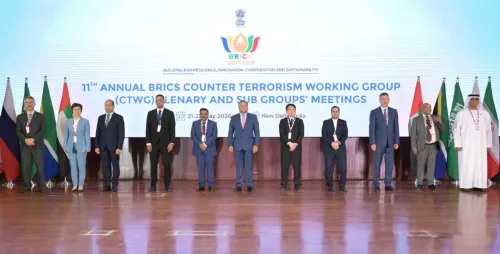
BRICS member countries have collectively condemned the Pahalgam terrorist attack of 22 April 2025 and reaffirmed their commitment to deepening counter-terrorism cooperation, the Ministry of External Affairs (MEA) said on 24 May 2025. The condemnation came at the 11th Annual BRICS Counter Terrorism Working Group (CTWG) Plenary and Sub Groups' Meetings, held in New Delhi on 21–22 May under India's chairmanship.
Key Developments at the New Delhi Meetings
The two-day plenary also marked the 10th anniversary of the establishment of the BRICS CTWG, underscoring a decade of multilateral counter-terrorism engagement. Senior counter-terrorism officials from all 10 BRICS member countries participated, with the plenary preceded by meetings of five thematic Sub Groups.
Vinod Bahade, MEA Joint Secretary (Counter Terrorism), chaired the working sessions. The discussions spanned the full spectrum of counter-terrorism cooperation, addressing both existing and emerging threats.
What India Said
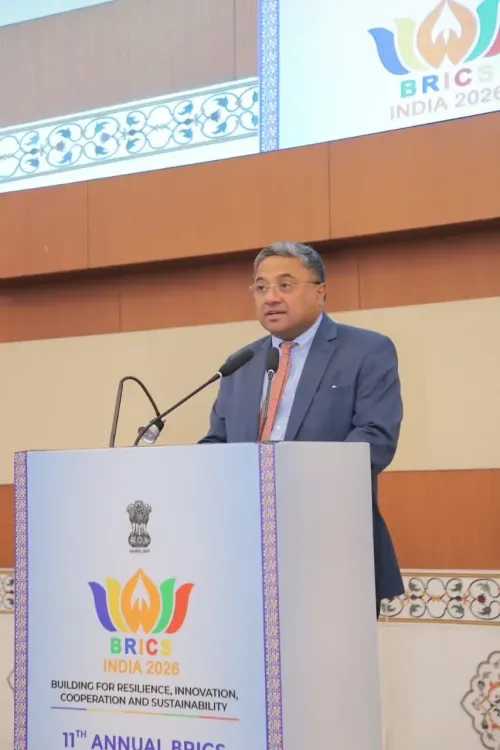
Ambassador Sibi George, MEA Secretary (West), delivered the keynote address on the inaugural day, stressing the importance of 'collective and united efforts of the BRICS member countries to tackle the global menace of terrorism.' He urged member nations to make the BRICS CTWG 'a more resilient, constructive, innovative, inclusive and result-oriented Working Group,' according to the MEA statement.
Ambassador George thanked BRICS partners for extending solidarity to India following the Jammu and Kashmir Pahalgam attack, and reiterated India's policy of zero tolerance towards terrorism. He specifically flagged cross-border terrorism as a pressing concern, calling for 'concerted and united efforts to combat terrorism in all its forms and manifestations.'
Emerging Threats on the Agenda
Beyond the Pahalgam condemnation, member countries discussed evolving challenges including terror financing mechanisms, radicalisation pathways, and the exploitation of new and emerging technologies for terrorist purposes. These themes reflect a broader global shift in how non-state actors are adapting tactics — a concern that has grown across multilateral forums in recent years.
This is the 11th such plenary since the CTWG's formation, and the first held after the Pahalgam attack, giving the meeting added political weight within the bloc.
Significance and What Comes Next
India's chairmanship of the BRICS CTWG this year positions New Delhi as the convener of the bloc's counter-terrorism agenda at a moment of heightened bilateral tensions in South Asia. The MEA's statement signals that India secured explicit, collective condemnation of the Pahalgam attack from all member states — a diplomatic outcome with implications beyond the working group itself.
The bloc's next steps on operationalising these commitments — particularly on information sharing and terror-financing interdiction — will be closely watched by security analysts tracking South Asia's evolving threat landscape.
Point of View
However, remains a working group without enforcement teeth; past iterations have produced statements without measurable interdiction outcomes. The real test is whether this edition translates into concrete intelligence-sharing protocols or terror-financing interdiction mechanisms. With the bloc now spanning 10 nations including those with complex relationships with Pakistan, achieving operational unity — as opposed to rhetorical unity — remains the harder diplomatic task.
NationPress
7 Oct 2026
Frequently Asked Questions
What happened at the BRICS Counter Terrorism Working Group meeting in New Delhi?
The 11th Annual BRICS CTWG Plenary was held in New Delhi on 21–22 May 2025 under India's chairmanship. Member countries condemned the Pahalgam terrorist attack of 22 April 2025 and reaffirmed commitment to deepening counter-terrorism cooperation across the bloc.
Which countries participated in the BRICS CTWG Plenary?
Senior counter-terrorism officials from all 10 BRICS member countries participated in the New Delhi meetings. The MEA statement did not name individual delegations beyond India's own representatives.
What is the BRICS Counter Terrorism Working Group?
The BRICS CTWG is a multilateral platform established to coordinate counter-terrorism efforts among BRICS member states. The 2025 plenary marked its 10th anniversary, covering themes such as terror financing, radicalisation, and the misuse of emerging technologies.
Why did India raise the Pahalgam attack at the BRICS meeting?
Ambassador Sibi George used the plenary to thank BRICS partners for their solidarity after the Pahalgam attack in Jammu and Kashmir on 22 April 2025, and to press for collective action on cross-border terrorism. Securing a formal, bloc-wide condemnation strengthens India's diplomatic position on the issue.
What emerging threats did BRICS discuss at the counter-terrorism meeting?
Member countries discussed evolving terror financing mechanisms, radicalisation, and the exploitation of new and emerging technologies for terrorist purposes — reflecting a broader global concern about how non-state actors are adapting their tactics.