WHO chief thanks PM Modi at BRICS 2026, backs New Delhi Declaration health agenda
Synopsis
The WHO chief's public endorsement of PM Modi and the New Delhi Declaration at the 18th BRICS Summit is more than diplomatic courtesy — it signals that BRICS, under India's chair, has embedded multilateral health architecture into its core agenda. With the WTO's chief also backing Modi's trade reform stance, New Delhi is emerging as the summit's most credible multilateral broker.
Key Takeaways
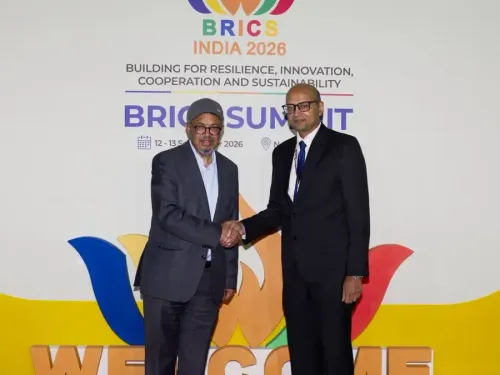
WHO Director-General Tedros Adhanom Ghebreyesus publicly thanked PM Modi on 13 September 2026 for the welcome at the 18th BRICS Summit in New Delhi .
The New Delhi Declaration 2026 commits BRICS to universal health coverage, pandemic preparedness, TB elimination, digital health, and the integration of traditional medicine.
BRICS leaders recognised tuberculosis (TB) as a critical global health challenge requiring coordinated research, funding, and cross-learning.
WTO Director-General Ngozi Okonjo-Iweala also expressed appreciation for PM Modi's support for the Multilateral Trading System (MTS) and WTO reform.
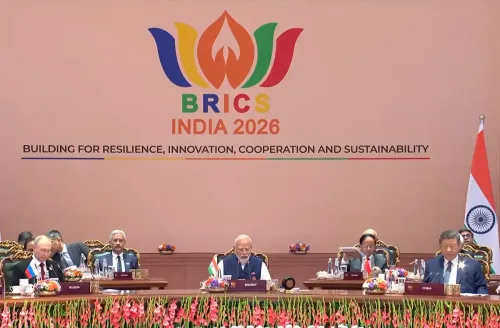
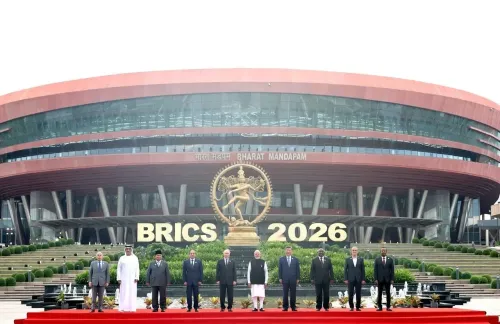
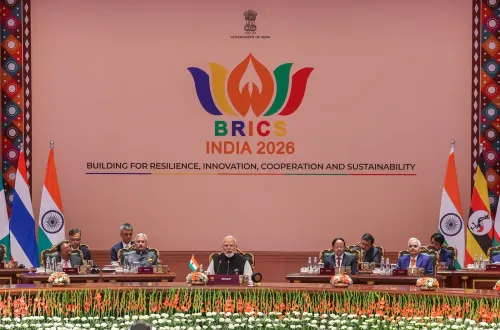
India is hosting the two-day BRICS Summit at Bharat Mandapam under the theme 'Building for Resilience, Innovation, Cooperation and Sustainability.'
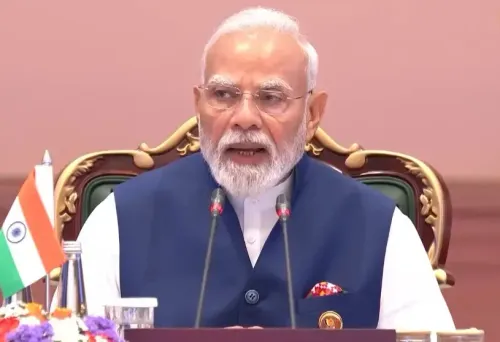
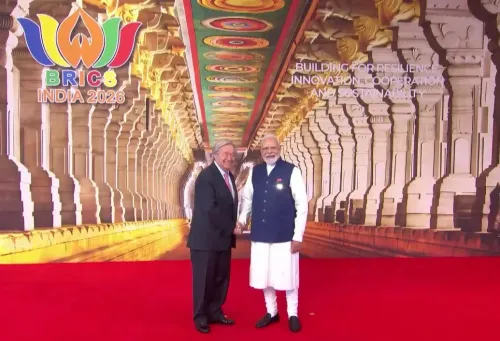
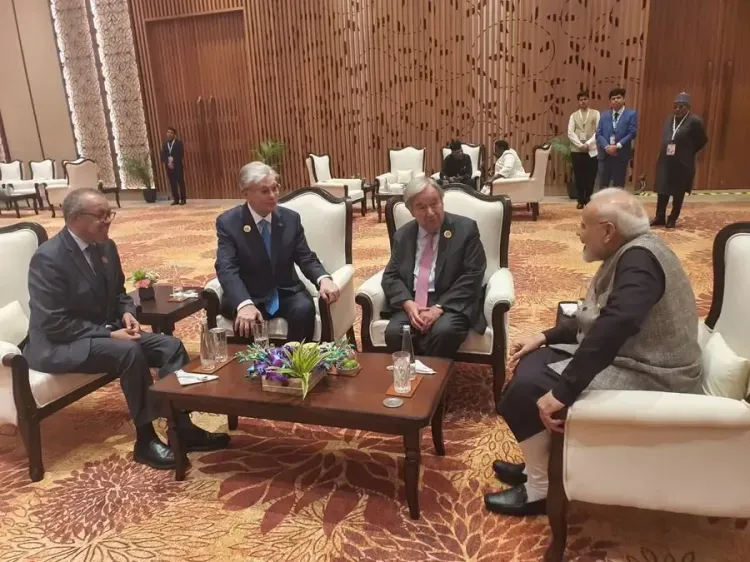
World Health Organisation (WHO) Director-General Tedros Adhanom Ghebreyesus on Sunday, 13 September 2026, publicly thanked Prime Minister Narendra Modi for his warm welcome at the 18th BRICS Summit in New Delhi, praising the bloc's sweeping health commitments enshrined in the New Delhi Declaration 2026. The endorsement, shared in a post on X, underscores India's growing centrality in shaping the multilateral global health agenda during its BRICS Chairship.
Ghebreyesus Praises BRICS Health Commitments
In his post, Ghebreyesus stated: 'Prime Minister Narendra Modi, thank you for the warm welcome to the 2026 BRICS Delhi Summit. I very much appreciate the BRICS Leaders' strong support for WHO and multilateralism, and the commitment, as reflected in the declaration, to universal health coverage, resilient health systems, the successful conclusion of negotiations on the Pathogen Access and Benefit Sharing Annex to the Pandemic Agreement, efforts to end TB, strengthening the health workforce, digital health, the integration of traditional medicine, and delivering Health For All.'
The statement is notable for its breadth — spanning pandemic preparedness, tuberculosis eradication, digital health infrastructure, and the formal integration of traditional medicine systems into global health frameworks. These commitments signal a significant alignment between WHO priorities and the BRICS bloc's collective agenda.
New Delhi Declaration: What It Commits To
The New Delhi Declaration 2026, adopted at the 18th BRICS Summit on Saturday, 12 September 2026, at Bharat Mandapam, welcomed deepened cooperation in global health and reaffirmed the bloc's commitment to advancing universal health coverage through 'resilient, inclusive, and people-centred approaches.'
The declaration explicitly recognised the WHO's 'vital coordinating role' in multilateral health cooperation, and stated: 'We reiterate our shared conviction that multilateral cooperation in health must be preserved and reinforced.' It also built on outcomes from the 16th BRICS Health Ministers' Meeting held in Chandigarh in July 2026.
Tuberculosis in Focus
One of the declaration's sharpest commitments was on tuberculosis (TB), which BRICS leaders recognised as a 'critical global public health challenge requiring coordinated action, sustained investment in research and effective mechanisms for cross-learning and innovations.' The declaration stated: 'We reiterate that individual countries and institutions have a key role to play in the path to end TB, which is possible through mutual collaboration, shared technology, and a unified front to foster TB research.'
This is particularly significant for India, which carries the world's largest TB burden according to global health data. A BRICS-wide coordinated front on TB could amplify domestic elimination targets set under the National TB Elimination Programme.
WTO Chief Also Backs Modi's Multilateral Vision
World Trade Organisation (WTO) Director-General Ngozi Okonjo-Iweala also expressed appreciation to Prime Minister Modi on the sidelines of the summit, sharing in a post on X: 'An engaging conversation and catch-up with Prime Minister Narendra Modi of India on the state of the Multilateral Trading System (MTS) and the WTO, including the opportunities and challenges for the Reform of the organization. Prime Minister Modi stated his support for the MTS and also for meaningful WTO Reform. Thank you for this, Mr. PM.'
The dual endorsements from the heads of two major multilateral organisations reinforce India's positioning as a constructive voice for reformed, inclusive global governance during its BRICS Chairship.
India's BRICS Chairship and the Summit's Significance
India is hosting the two-day 18th BRICS Summit at Bharat Mandapam in New Delhi as BRICS Chair 2026. The Chairship is guided by the theme 'Building for Resilience, Innovation, Cooperation and Sustainability', reflecting, according to the Ministry of External Affairs (MEA), Prime Minister Modi's vision of a people-centric approach rooted in the spirit of 'Humanity First.'
With the New Delhi Declaration now on record and the endorsement of multilateral bodies secured, the test ahead is how these commitments translate into measurable action — particularly on TB, pandemic preparedness, and health workforce targets.
Point of View
But the real measure will be whether the New Delhi Declaration's health commitments move beyond communiqué language. BRICS nations collectively bear a disproportionate share of the global TB burden, and past multilateral TB pledges have struggled against funding shortfalls and fragmented national programmes. The Pathogen Access and Benefit Sharing Annex — highlighted specifically by Ghebreyesus — has been a contentious sticking point in pandemic treaty negotiations for years; BRICS backing could break the deadlock or merely lend it political cover. India's dual role as summit host and the world's largest TB-burden country makes it both the most invested party and the most accountable one.
NationPress
13 Sept 2026
Frequently Asked Questions
Why did the WHO chief thank PM Modi at the BRICS 2026 summit?
WHO Director-General Tedros Adhanom Ghebreyesus thanked PM Modi for his warm welcome at the 18th BRICS Summit in New Delhi and for the bloc's strong support for WHO and multilateralism as reflected in the New Delhi Declaration 2026. The declaration commits BRICS leaders to universal health coverage, pandemic preparedness, TB elimination, digital health, and traditional medicine integration.
What is the New Delhi Declaration 2026 on health?
The New Delhi Declaration 2026 is a joint statement adopted by BRICS leaders on 12 September 2026 at Bharat Mandapam, New Delhi. It reaffirms the bloc's commitment to universal health coverage through resilient, inclusive, and people-centred health systems, and recognises the WHO's vital coordinating role in multilateral health cooperation.
What did the BRICS summit commit to on tuberculosis?
BRICS leaders recognised tuberculosis as a critical global public health challenge and called for coordinated action, sustained research investment, and cross-learning mechanisms. The declaration states that ending TB is possible through mutual collaboration, shared technology, and a unified front for TB research.
What did the WTO chief say about PM Modi at the BRICS summit?
WTO Director-General Ngozi Okonjo-Iweala posted on X that she had an engaging conversation with PM Modi on the state of the Multilateral Trading System and WTO reform. She noted that PM Modi expressed support for the Multilateral Trading System and meaningful WTO reform.
What is India's theme for its BRICS Chairship 2026?
India's BRICS Chairship 2026 is guided by the theme 'Building for Resilience, Innovation, Cooperation and Sustainability,' reflecting PM Modi's vision of a people-centric approach rooted in the spirit of 'Humanity First,' according to the Ministry of External Affairs.