BRICS 2026 New Delhi Declaration flags global polarisation, urges conflict prevention
Synopsis
The 18th BRICS Summit's New Delhi Declaration is more than diplomatic boilerplate. By explicitly linking surging global military budgets to development shortfalls and flagging nuclear risks, BRICS is staking a collective position against the securitisation of the global order — with India at the helm as chair.
Key Takeaways
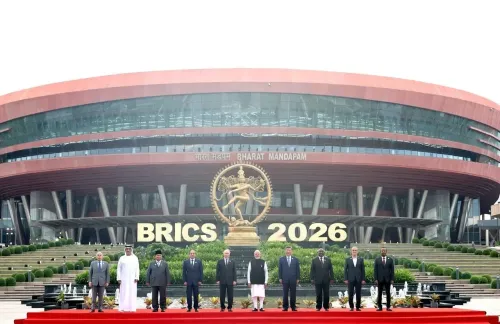
BRICS leaders adopted the 2026 New Delhi Declaration at the 18th Summit on 12 September 2026 , flagging rising global polarisation and distrust.
The declaration called for conflict prevention through politico-diplomatic measures and addressing root causes of disputes.
Leaders expressed alarm over a 'critical increase in global military spending' diverting resources from development.
Preventive diplomacy and mediation were highlighted as essential tools, with cooperation pledged on UN peacekeeping and African Union peace operations .
BRICS reaffirmed support for nuclear-weapon-free zones and called for reinvigorating global disarmament and non-proliferation frameworks.
Leaders expressed concern over attempts to link security with the climate change agenda .
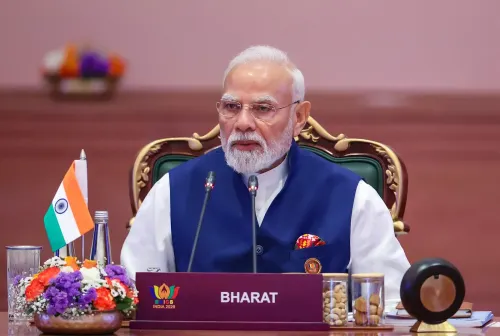
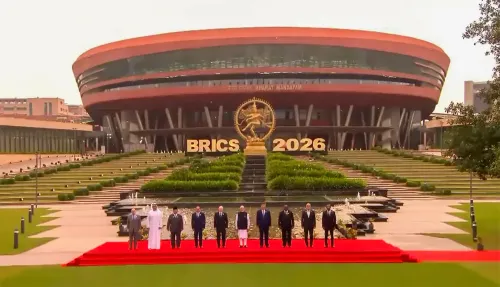
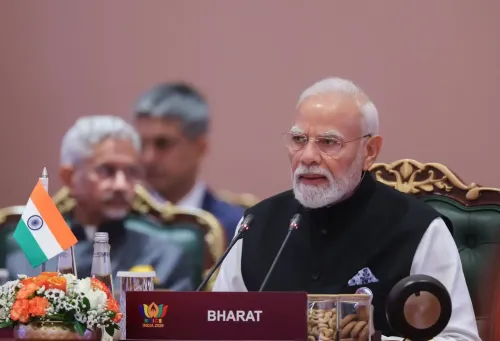
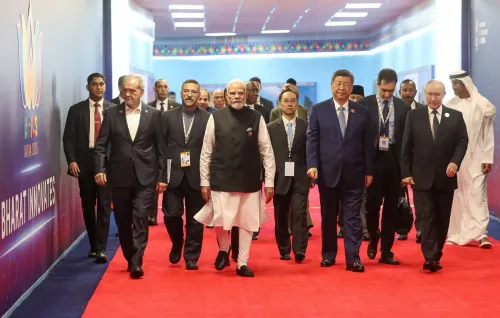
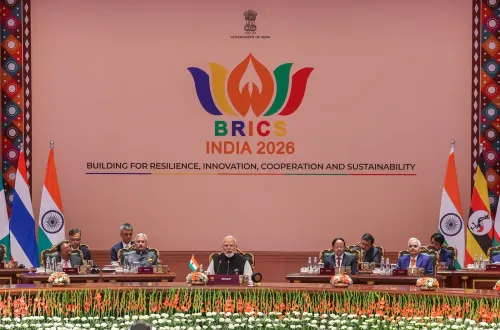
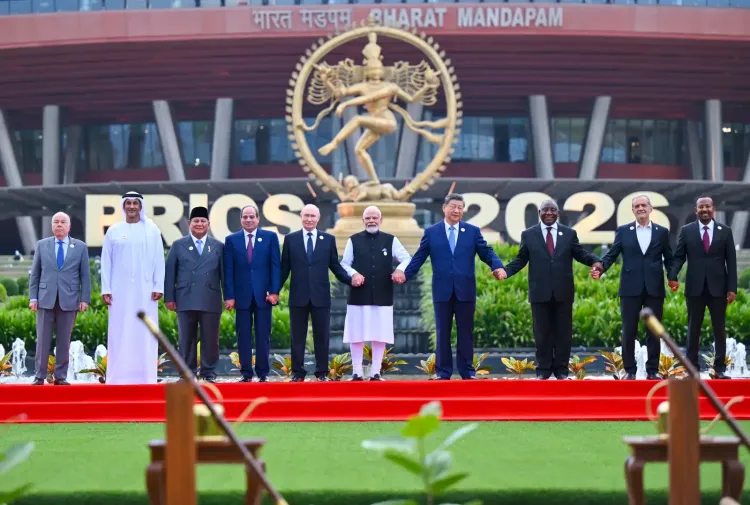
BRICS leaders on Saturday, 12 September 2026, raised alarm over deepening global polarisation and distrust, calling for urgent politico-diplomatic action to safeguard international peace and prevent armed conflicts. The concerns were formally enshrined in the 2026 New Delhi Declaration, adopted at the 18th BRICS Summit held in the national capital.
Key concerns in the New Delhi Declaration
The joint declaration acknowledged a world order marked by fragmentation, rising geopolitical tensions, and a 'critical increase in global military spending' — a trend BRICS leaders said was diverting resources away from development financing for the Global South.
'We note the current global context of polarization and distrust and encourage global action to strengthen international peace and security,' the declaration stated, urging the international community to pursue conflict prevention by 'addressing their root causes.'
The leaders underscored that 'security among all countries is indivisible' and reiterated their commitment to resolving international disputes through dialogue, consultation, and diplomacy. They also called on regional organisations to play an active role in crisis prevention and peaceful settlement of disputes.
Preventive diplomacy and mediation as priorities
In a notable emphasis, the declaration highlighted preventive diplomacy and mediation — with the consent of relevant parties — as essential tools to avert crises and prevent escalation, in line with the purposes and principles of the UN Charter. BRICS members agreed to explore avenues for cooperation across UN peacekeeping missions, African Union peace support operations, and broader mediation and peace processes.
This comes amid ongoing conflicts in multiple regions worldwide and a broader erosion of multilateral trust that has marked the post-pandemic geopolitical landscape.
Rising military spending and development trade-offs
The declaration explicitly linked surging global defence budgets to reduced financing for development. The leaders advocated a multilateral approach that respects 'diverse national viewpoints and positions on crucial global issues, including sustainable development, the eradication of hunger and poverty and contributing to the global response to climate change.' Notably, they expressed 'deep concern over attempts to link security with the climate change agenda' — a formulation that reflects long-standing pushback from developing nations against securitising environmental policy.
Nuclear risks and disarmament commitments
Expressing 'grave concern over the growing risks of nuclear danger and conflict,' the BRICS leaders called for reinvigorating the global disarmament and non-proliferation architecture. They reaffirmed support for nuclear-weapon-free zones and acknowledged the 'paramount importance' of efforts to establish a zone free of nuclear weapons and other weapons of mass destruction in the Middle East.
They referenced the adoption of UNGA Resolution 79/241 on nuclear-weapon-free zones and called on all invited parties to participate in related conferences 'in good faith.'
What lies ahead
The New Delhi Declaration positions India — the current BRICS chair — as a convener of multilateral diplomacy at a time when the rules-based international order faces sustained pressure. Whether these commitments translate into tangible diplomatic outcomes, particularly on conflict mediation and defence spending norms, will be closely watched through the remainder of India's chairship and beyond.
Point of View
But the subtext is sharper than it appears. By linking military spending to development deficits and pushing back against securitising climate policy, BRICS is drawing a line that mirrors long-standing Global South frustrations with Western-led security frameworks. The real question is enforcement — BRICS has no treaty mechanism, no binding dispute resolution, and several members with active territorial disputes of their own. India's chairship gains rhetorical leverage from hosting this declaration, but credibility will hinge on whether Delhi can convert these principles into diplomatic action on even one live conflict.
NationPress
28 Oct 2026
Frequently Asked Questions
What is the 2026 BRICS New Delhi Declaration?
It is the joint declaration adopted at the 18th BRICS Summit in New Delhi on 12 September 2026. It addresses rising global polarisation, calls for conflict prevention through diplomacy, and flags concerns over surging military spending and nuclear risks.
Why did BRICS leaders raise alarm over global military spending?
The declaration noted a 'critical increase in global military spending,' arguing that it diverts financing away from development in developing countries. The leaders called for a multilateral approach to address sustainable development, hunger, and climate change instead.
What did the BRICS declaration say about nuclear weapons?
BRICS leaders expressed grave concern over growing nuclear risks and called for reinvigorating disarmament and non-proliferation mechanisms. They reaffirmed support for nuclear-weapon-free zones and efforts to establish such a zone in the Middle East.
How does the declaration address conflict prevention?
It calls on the international community to pursue politico-diplomatic measures, address root causes of conflict, and use preventive diplomacy and mediation. BRICS members also agreed to explore cooperation on UN peacekeeping and African Union peace operations.
Which country currently chairs BRICS?
India holds the BRICS chairship and hosted the 18th Summit in New Delhi on 12 September 2026, where the New Delhi Declaration was adopted.