Awami League alleges minority persecution in Bangladesh since August 2024
Synopsis
Bangladesh's Awami League has levelled serious allegations of state-backed persecution of religious minorities since August 2024 — pointing to the murder of an entire Hindu family in Rangpur as proof of official complicity. The charge puts the BNP government and Home Minister Salahuddin Ahmed on the defensive, with human rights bodies already raising alarms.
Key Takeaways
Awami League alleged on 4 September that religious minorities in Bangladesh have faced systematic persecution since August 2024 .
Alleged abuses include job dismissals, denial of promotions, restrictions on government employment, and seizure of homes, land, and businesses.
The killing of retired Hindu teacher Ganapati Chakraborty and his entire family in Rangpur was cited as a key example of government inaction.
Home Minister Salahuddin Ahmed claimed Dhakeshwari Temple land in Dhaka was occupied by the Awami League; the party dismissed the claim as 'false.' Multiple religious and human rights organisations in Bangladesh have reportedly expressed 'deep concern' over the situation.
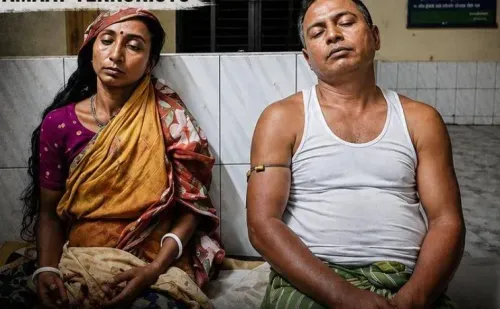
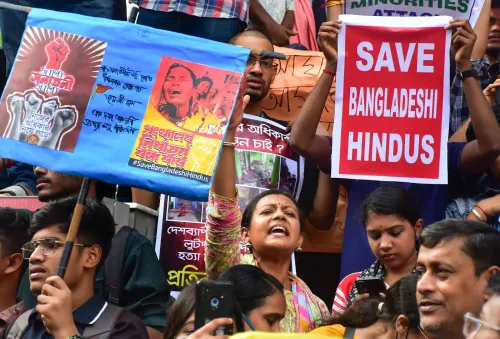
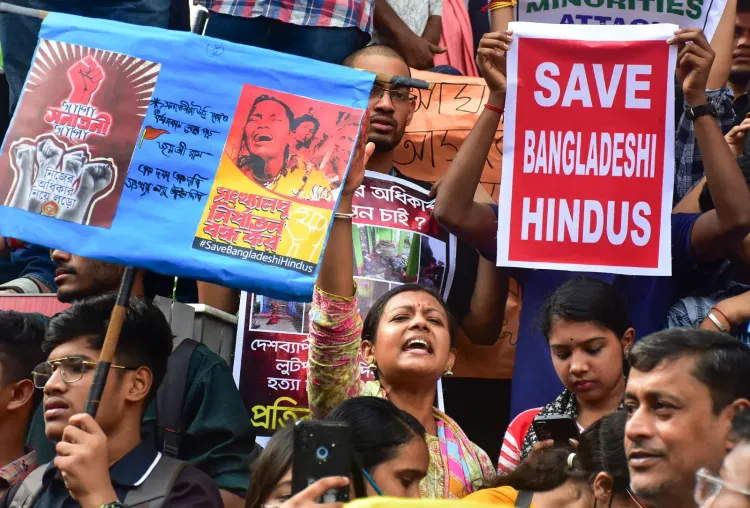
Bangladesh's Awami League on Friday, 4 September alleged that religious minorities across the country have faced systematic discrimination and persecution since August 2024, citing job dismissals, denial of promotions, undeclared restrictions on government employment, and the seizure of homes, land, and businesses. The statement came amid fresh outrage over the killing of a retired Hindu teacher and his entire family in Rangpur.
The Rangpur Killings and Government Inaction
The Awami League pointed specifically to the recent murder of retired Hindu teacher Ganapati Chakraborty and his entire family in Rangpur city as emblematic of a broader crisis. The party alleged that the response of the ruling Bangladesh Nationalist Party (BNP) government — and its Home Minister — to the killings reflects a pattern of official indifference toward violence against minorities that has persisted since the tenure of the previous Muhammad Yunus-led interim government.
'It is extremely unfortunate that since August 5, 2024, religious minorities across the country have faced dismissals from employment, denial of promotions, undeclared restrictions on entering government service, and various forms of oppression and persecution, including the seizure of homes, land, and businesses,' read a statement issued by the Awami League on its social media platform X.
Awami League Fires Back at Home Minister
The Awami League also took direct aim at Bangladesh's Home Minister Salahuddin Ahmed over remarks he made at an event held at the Osmani Memorial Auditorium in Dhaka on Thursday, on the occasion of Janmashtami. Ahmed had claimed that a large portion of land belonging to the Dhakeshwari Temple in Dhaka was occupied by the Awami League.
'I inspected the land of Dhakeshwari Temple in 1996 as a member of the Standing Committee related to the Land Ministry. At that time, it was seen that about two and a half acres of the property was under the control of the government. The rest of the property was in the possession of the Awami League,' Ahmed was quoted as saying by Bangladesh's Daily Sun newspaper.
The Awami League dismissed the remarks as 'false' and called on the government to protect the religious rights and public security of all citizens rather than 'spreading misinformation.'
Broader Pattern of Concern
The Awami League's statement noted that various religious organisations and human rights bodies within Bangladesh have already expressed 'deep concern' over the treatment of minorities. Critics argue that the incidents — ranging from property seizures to employment discrimination — constitute a systemic failure of state protection rather than isolated events.
This comes amid heightened international scrutiny of Bangladesh's minority rights record following the political transition of August 2024. The Awami League's statement added that the 'principal architects behind the persecution' are, in its characterisation, the 'present communal government and its communal state system' — allegations the BNP government has not yet formally responded to.
What Comes Next
The Awami League has called on the Bangladesh government to take concrete steps to ensure the safety and rights of religious minorities. With multiple human rights organisations reportedly monitoring the situation, pressure on Dhaka to respond — both domestically and internationally — is likely to intensify in the coming weeks.
Point of View
Not a press statement war. Bangladesh's minorities have historically been caught between competing political narratives, and the current moment — with a new government consolidating power post-August 2024 — is particularly precarious. International human rights bodies will need to step in with independent documentation if the facts are to be separated from the politics.
NationPress
4 Sept 2026
Frequently Asked Questions
What has the Awami League alleged about minorities in Bangladesh?
The Awami League has alleged that religious minorities in Bangladesh have faced widespread persecution since August 2024, including dismissals from employment, denial of promotions, restrictions on government service, and seizure of homes, land, and businesses. The party issued the statement on 4 September, citing specific incidents including the killing of a Hindu family in Rangpur.
Who is Ganapati Chakraborty and what happened to him?
Ganapati Chakraborty was a retired Hindu teacher whose entire family was reportedly killed in Rangpur city, Bangladesh. The Awami League cited the killings and the government's subsequent response as evidence of official indifference toward violence against religious minorities.
What did Bangladesh's Home Minister Salahuddin Ahmed say about Dhakeshwari Temple?
Home Minister Salahuddin Ahmed, speaking at an event in Dhaka on Janmashtami, claimed that a large part of Dhakeshwari Temple's land was occupied by the Awami League, citing an inspection he conducted in 1996 that found about two and a half acres under government control and the rest in the Awami League's possession. The Awami League dismissed the remarks as false.
How has the BNP government responded to the allegations?
According to available reports, the BNP government had not issued a formal response to the Awami League's allegations at the time of publication. The Home Minister's remarks at the Janmashtami event were the most recent official statement touching on minority-related matters.
Which organisations have raised concern over minority rights in Bangladesh?
The Awami League's statement noted that various religious organisations and human rights organisations within Bangladesh have already expressed deep concern over the treatment of minorities since August 2024, though specific organisations were not named in the statement.