Bangladesh Awami League demands scrapping of 'false' cases, release of political prisoners
Synopsis
Bangladesh's Awami League is pushing back hard against what it calls a politically motivated crackdown — alleging over 600 murders in the BNP government's first 100 days, a party ban it deems unlawful, and mass arrests of its activists. The opposition's escalating demands signal that Bangladesh's post-interim political crisis is far from over.
Key Takeaways
Bangladesh's Awami League on 16 June demanded the immediate withdrawal of all ‘politically motivated and false cases’ against its leaders and activists.
The party called for the unconditional release of all political prisoners and an end to ‘mass arrests and unlawful detentions.’ The Awami League alleged more than 600 murders occurred during the BNP government’s first 100 days in office.
The party accused the Tarique Rahman -led BNP government of failing to ensure public safety and using state institutions to persecute opponents.
The Awami League claimed its party ban is unlawful and cited strong public turnout at its recent protest programme as evidence of growing support.
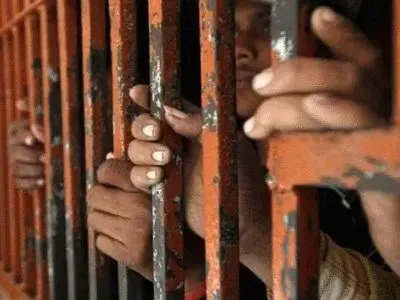
Bangladesh's Awami League on 16 June strongly condemned what it described as a relentless crackdown on its leaders and activists, demanding the immediate withdrawal of all ‘politically motivated and false cases’ and the unconditional release of all political prisoners held on political grounds. The party also called for an end to what it termed ‘mass arrests, harassment, and unlawful detentions’ being carried out by the current authorities in Dhaka.
Party Claims Growing Public Support
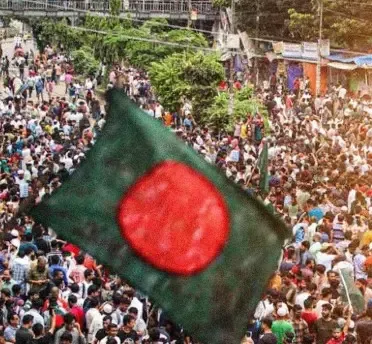
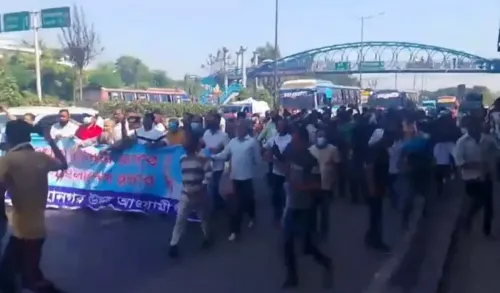
The Awami League cited what it described as a strong public turnout at its recent programme demanding the withdrawal of ‘false and baseless’ cases as evidence of mounting popular support for its cause. The party lauded its leaders, activists, and supporters for participating in the programme despite what it characterised as a severe lack of security for life and property across Bangladesh.
‘The people of the country have witnessed how Awami League leaders and activists have been subjected to severe repression. Their rights have been taken away. The party has been banned unlawfully. Yet, despite all these measures, the authoritarian ruling group has failed to suppress the Awami League,’ the party stated.
Allegations Against the BNP Government
The Awami League directed sharp criticism at the ruling Bangladesh Nationalist Party (BNP), led by Tarique Rahman, alleging that the government has failed to ensure public safety. The party claimed that more than 600 murders had occurred during the BNP government’s first 100 days in office — a figure it has not independently verified through official data.
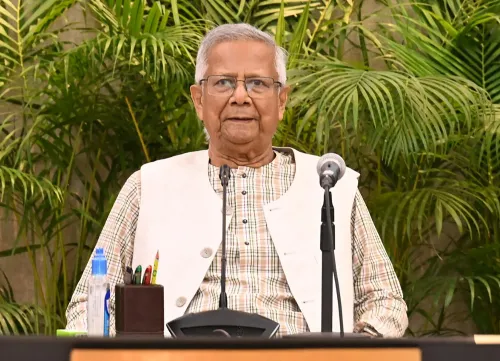
The party also targeted the former interim administration led by Muhammad Yunus, alleging that a ‘reign of terror’ has continued and deepened under the current government, following what it called the legacy of the previous dispensation. It warned that Bangladesh had become ‘a moving vehicle without brakes,’ with citizens facing risks across all aspects of daily life due to what it described as an absence of capable leadership.
Crackdown on Dissent, Party Alleges
The Awami League alleged that its leaders and activists are being subjected to ‘indiscriminate mass arrests, prolonged detention without trial, and the deprivation of fundamental civil rights’ specifically because the party has remained vocal in defending public rights. It argued that using state institutions and the judiciary to impose what it called ‘extreme oppression and persecution’ is contrary to the principles of a humane governance system.
‘Anyone who speaks out on behalf of public demands is met with lawsuits and attacks,’ the party stated, condemning the actions in strong terms.
What Happens Next
The Awami League has not outlined a specific timeline for further agitation, but its escalating rhetoric signals that the party intends to maintain pressure on the BNP government through continued public mobilisation. Whether the ruling administration responds to these demands or intensifies its crackdown will be a key indicator of Bangladesh’s political trajectory in the weeks ahead.
Point of View
Not a neutral account — and it should be read as such. The party’s claim of over 600 murders in 100 days is striking but unverified, and its framing of every arrest as politically motivated reflects the posture of an organisation fighting for survival after a seismic shift in power. What mainstream coverage risks missing is the structural irony: the Awami League, which itself faced sustained accusations of using state machinery against opponents during its tenure, is now deploying the same language of repression. Bangladesh’s democratic health will ultimately depend not on which party controls the narrative of victimhood, but on whether independent institutions — courts, press, civil society — can function without coercion from whoever holds power.
NationPress
15 Sept 2026
Frequently Asked Questions
What has the Awami League demanded from Bangladesh's government?
The Awami League has demanded the immediate withdrawal of all cases it describes as ‘politically motivated and false,’ the unconditional release of political prisoners, and an end to mass arrests and unlawful detentions of its leaders and activists.
Why does the Awami League say its leaders are being arrested?
The party alleges its leaders and activists are being targeted specifically because the Awami League has remained vocal in defending public rights. It claims the ruling BNP government is using state institutions and the judiciary to suppress political opposition.
What allegations has the Awami League made against the BNP government?
The Awami League alleged that more than 600 murders occurred during the BNP government’s first 100 days in office and that the administration has failed to ensure public safety. It also accused the government of continuing what it called a reign of terror inherited from the former interim administration.
Is the Awami League currently banned in Bangladesh?
The Awami League has claimed that its party has been ‘banned unlawfully’ by the current authorities, though it continues to operate and issue public statements. The party contests the legality of any such ban.
Who leads the current government in Bangladesh that the Awami League is criticising?
The Awami League is directing its criticism at the Bangladesh Nationalist Party (BNP), led by Tarique Rahman, which it identifies as the ruling party. It has also criticised the preceding interim government led by Muhammad Yunus.