Bangladesh arrests 1,000+ Awami League members, rights body condemns crackdown
Synopsis
A Paris-based rights group has documented the detention of more than 1,000 Awami League members across Bangladesh in 10 days — arrests it says were timed to suppress the party's 77th founding anniversary. With army deployments in six districts and 18,000 police in Dhaka, the scale of the crackdown is drawing urgent calls for UN and EU scrutiny.
Key Takeaways
Justice Makers Bangladesh in France (JMBF) condemned the arrest of over 1,000 Awami League members across Bangladesh in 10 days .
At least 654 documented arrests were recorded in seven days, with 142 in Dhaka alone.
Arrests reportedly coincided with the Awami League's 77th founding anniversary on 23 June .
The BNP -led government deployed Bangladesh Army in six districts and 18,000 police in Dhaka around the anniversary.
JMBF has called on the OHCHR , UN Special Rapporteurs , and the European Union to monitor the human rights situation in Bangladesh.
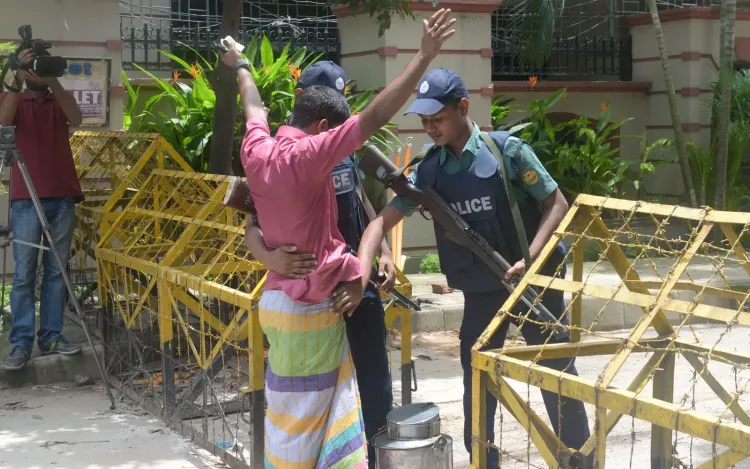
A Paris-based international human rights organisation on Thursday, 25 June strongly condemned what it described as the widespread 'repression and arbitrary arrest' of more than 1,000 leaders, activists, and supporters of Bangladesh's Awami League party and its affiliated organisations by Bangladeshi authorities. The arrests, according to the group, were carried out during special operations conducted across the country over the past 10 days, reportedly linked to the Awami League's 77th founding anniversary observed on 23 June.
Scale of the Arrests
Justice Makers Bangladesh in France (JMBF), citing media reports and on-ground sources, documented the arbitrary detention of at least 654 Awami League leaders and activists across Bangladesh over the past seven days. Among those detained, 142 were arrested in Dhaka, 58 in Barishal, 35 in Gazipur, 21 in Narayanganj, 16 in Rangamati, and 12 in Noakhali. The organisation added that the actual number of detentions is reportedly significantly higher, surpassing 1,000 in total.
Legal and Rights Concerns Raised
JMBF expressed grave concern over what it characterised as arrests made without lawful basis, valid arrest warrants, or any other legal justification — a practice it said violates the fundamental rights to liberty and security of the person. The organisation further alleged that criminal charges were being filed after arrest, or that detainees were subsequently shown as arrested in previously registered cases, calling such practices inconsistent with the rule of law, due process, and the right to a fair trial.
The body stressed that an individual's political affiliation can never constitute a legitimate basis for restricting fundamental human rights.
Government Actions Around the Anniversary
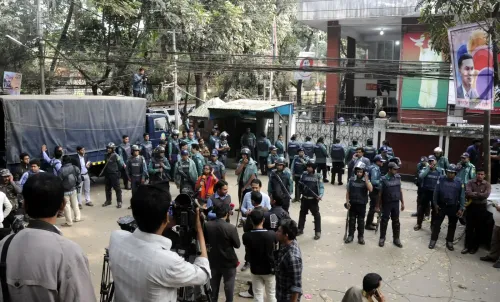
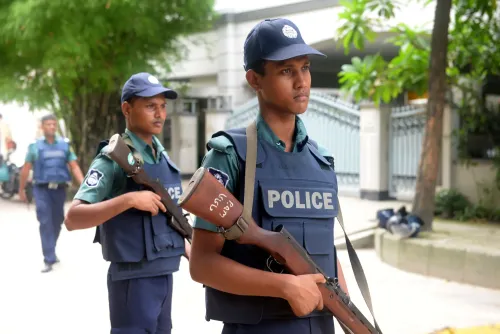
According to JMBF, the ruling Bangladesh Nationalist Party (BNP)-led government has continued with the executive ban on Awami League activities originally imposed by the previous Muhammad Yunus-led interim government. In what the organisation described as an apparent effort to prevent the party from peacefully observing its founding anniversary, the government reportedly deployed the Bangladesh Army in six districts — including the metropolitan areas of Dhaka, Chattogram, Gazipur, and Narayanganj — while an additional 18,000 police personnel were deployed in the capital.
What JMBF and Its Leadership Said
JMBF Founder and President Shahanur Islam noted that the Awami League is one of Bangladesh's oldest and largest political parties and played a historic leadership role in the country's War of Independence. He said that preventing a political party from peacefully observing its founding anniversary through administrative power 'raises serious concerns regarding democracy, the rule of law, and political pluralism,' and called for such practices to cease immediately.
International Community Called to Act
JMBF urged the Office of the United Nations High Commissioner for Human Rights (OHCHR), relevant UN Special Rapporteurs, the European Union, and international human rights organisations to closely monitor what it called ongoing political repression, arbitrary arrests, and restrictions on peaceful assembly and freedom of association in Bangladesh. This call comes amid a broader pattern of political tensions in the country following the change of government, with civil society groups raising repeated alarms over shrinking democratic space.
Point of View
Signalling that the crackdown is less about a transitional moment and more about entrenching political exclusion. Bangladesh has a long history of using the state apparatus to sideline the party out of power, and this episode fits that pattern with troubling precision. The call to the OHCHR and EU is significant, but international scrutiny has rarely translated into domestic accountability in Bangladesh's political cycles.
NationPress
24 Sept 2026
Frequently Asked Questions
Why were Awami League members arrested in Bangladesh?
According to JMBF, more than 1,000 Awami League leaders, activists, and supporters were arrested during special operations conducted over 10 days, reportedly to prevent the party from observing its 77th founding anniversary on 23 June. The rights body says no lawful basis or valid arrest warrants were provided in many cases.
Who is Justice Makers Bangladesh in France (JMBF)?
JMBF is a Paris-based international human rights organisation focused on Bangladesh. It is led by Founder and President Shahanur Islam and has called on the UN and EU to monitor the ongoing political crackdown in Bangladesh.
What is the current legal status of the Awami League in Bangladesh?
The BNP-led government has continued an executive ban on Awami League activities originally imposed by the previous Muhammad Yunus-led interim government. The ban restricts the party and its affiliated organisations from operating publicly.
How many security personnel were deployed around the Awami League anniversary?
According to JMBF, the Bangladesh Army was deployed in six districts including Dhaka, Chattogram, Gazipur, and Narayanganj, while an additional 18,000 police personnel were deployed in Dhaka alone around the time of the 23 June anniversary.
What has the international community been asked to do?
JMBF has urged the OHCHR, relevant UN Special Rapporteurs, the European Union, and international human rights organisations to closely monitor the political repression, arbitrary arrests, and restrictions on freedom of assembly and association in Bangladesh.