Is the UN Intervention Needed After the Awami League Ban in Bangladesh?
Synopsis
In light of the recent ban on the Awami League in Bangladesh, a leading human rights group has appealed to the UN for intervention. The situation raises serious concerns over the state of democracy and political freedoms in the country. Could international attention restore these vital rights?
Key Takeaways
Awami League's ban raises serious concerns over democracy.
Over 350,000 individuals affected by politically motivated cases.
Urgent international intervention requested.
Crackdown includes restrictions on assemblies and expression .
Political repression threatens civil rights and freedoms.
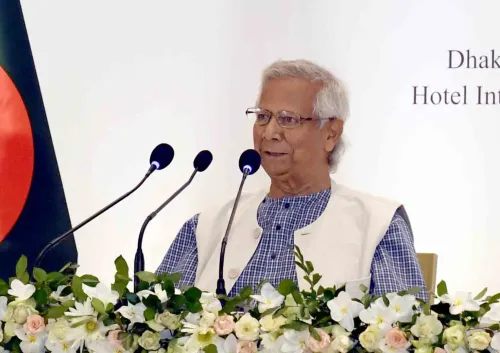
Paris, Dec 8 (NationPress) A prominent international human rights organization has reached out to the United Nations Special Rapporteur, expressing grave concerns regarding the prohibition placed on Bangladesh’s Awami League party and the suspension of its registration by the nation’s Election Commission.
In its communication to the Office of the UN Special Rapporteur on the Rights to Freedom of Peaceful Assembly and of Association, Justice Makers Bangladesh in France (JMBF) has urged for immediate global attention and action to restore democratic mechanisms in the nation.
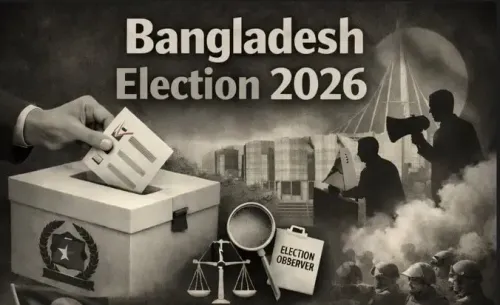
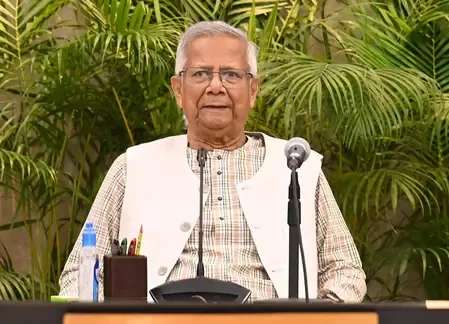
The rights group indicated that the ban on Awami League, enforced by the interim government led by Muhammad Yunus on May 12 under the nation’s Anti-Terrorism Act, along with the subsequent suspension of the party’s registration, has effectively hindered all its political operations. The measures enacted, which include limitations on gatherings, demonstrations, publications, and social media activities, have barred the party from participating in the February 2026 elections in Bangladesh.
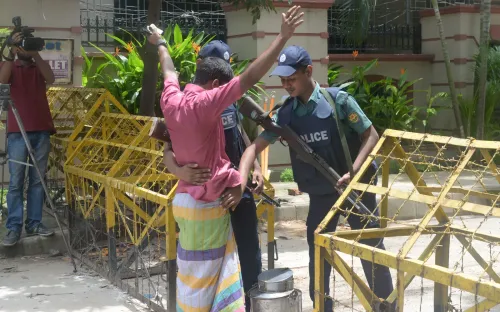
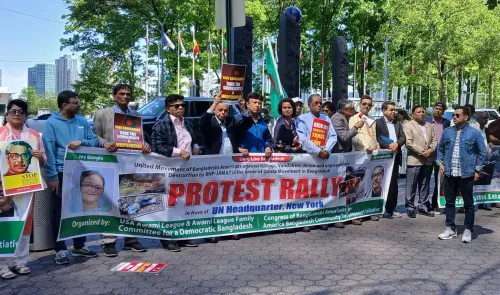
Pointing out a significant crackdown on Awami League leaders, activists, and supporters, the JMBF cautioned that the current suppression of the party and its affiliates constitutes a severe violation of civil and political rights, encompassing the freedoms of assembly, association, expression, and electoral participation.
Referring to independent monitoring reports, the rights organization noted that over 350,000 individuals linked to the party have been subjected to politically motivated cases, with at least 130,000 individuals arrested since the collapse of the previous Prime Minister Sheikh Hasina-led Awami League government.
“Initiatives like ‘Operation Devil Hunt’ and extensive police actions have targeted peaceful demonstrators, flash rallies, and party gatherings, creating a pervasive atmosphere of fear and oppression. The interim government has justified its actions citing national security and ongoing trials under the International Crimes (Tribunals) Act,” stated the JMBF.
The rights organization emphasized that the “application of anti-terrorism legislation to stifle political dissent breaches international human rights standards, compromises political pluralism, and jeopardizes the democratic process.”
The JMBF called for Bangladeshi authorities to remove the comprehensive ban on the Awami League and its associated factions or, at the very least, to modify it to allow peaceful political activities, assemblies, and expressions by party members and supporters in accordance with international human rights norms.
It urged the dismissal or reevaluation of all “politically motivated or arbitrary charges and detentions” against party affiliates, particularly those detained for peaceful protests, flash rallies, or expressing support for the party.
Point of View
The recent developments regarding the Awami League in Bangladesh underscore a troubling trend of political repression. It's crucial for the international community to engage thoughtfully with these issues, ensuring that democratic principles and human rights are upheld in the face of such challenges.
NationPress
27 Sept 2026
Frequently Asked Questions
What led to the ban on the Awami League?
The ban was imposed by the interim government under the Anti-Terrorism Act, citing national security concerns.
How has the ban affected Awami League's political activities?
The ban has severely restricted their ability to participate in elections and conduct political activities.
What actions has the JMBF taken regarding this issue?
The JMBF has appealed to the UN for intervention and urged the Bangladeshi authorities to lift the ban.
What are the implications of this situation for democracy in Bangladesh?
The ongoing suppression of the Awami League threatens the democratic process and civil rights in the country.
How many individuals have been affected by politically motivated cases?
Over 350,000 individuals affiliated with the Awami League have faced such cases since the ban.